HomeLatestJJ Hospital Expansion Project Moves Forward With Accelerated Land Transfer Process

JJ Hospital Expansion Project Moves Forward With Accelerated Land Transfer Process

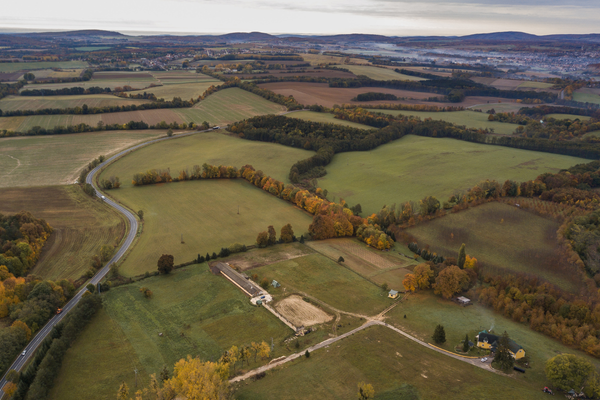
A long-pending land transfer required for the expansion of one of Mumbai’s largest public healthcare institutions has moved forward, paving the way for additional medical infrastructure in a city facing growing healthcare demands. The decision is expected to support capacity enhancement at a major government hospital while strengthening healthcare access for residents across Mumbai and neighbouring districts. The development highlights the increasing importance of land management in urban infrastructure planning. In densely populated metropolitan regions such as Mumbai, the availability of suitable land often determines the pace at which critical public services—including healthcare, education and transport—can expand to meet rising demand.

Urban development experts note that healthcare infrastructure has emerged as a priority area for state governments following lessons from recent public health emergencies. Large tertiary-care hospitals play a vital role in serving not only city residents but also patients travelling from smaller towns and rural districts seeking specialised treatment. Expanding such facilities can help reduce pressure on existing medical services while improving patient outcomes. The latest move is expected to facilitate the creation of additional facilities associated with the hospital’s future growth plans. While healthcare projects are often discussed primarily in terms of medical services, planners argue that they should also be viewed as core urban infrastructure investments. Improved hospital capacity contributes to economic productivity, workforce resilience and overall quality of life within cities.

The significance of the hospital expansion project extends beyond healthcare delivery. Large institutional developments generate demand for construction activity, specialised services and supporting infrastructure. They also influence surrounding neighbourhoods by increasing requirements for public transport connectivity, pedestrian access and civic amenities. Experts emphasise that successful implementation of the hospital expansion project will depend on integrating healthcare infrastructure with broader urban planning objectives. As Mumbai continues to densify, future public facilities must be designed to accommodate climate-related risks, improve accessibility and support efficient resource management. Sustainable construction methods, energy-efficient systems and resilient public infrastructure are increasingly viewed as essential components of modern healthcare campuses.The project also reflects a broader trend in Indian cities where governments are reassessing the use of public land to address infrastructure shortages. Strategic land allocation has become a critical tool for supporting essential services in locations where large developable parcels are increasingly scarce and expensive.

Urban policy specialists point out that healthcare infrastructure investments often produce long-term social benefits that extend well beyond immediate service delivery. Expanded facilities can strengthen emergency preparedness, improve medical education and create employment opportunities across healthcare and allied sectors. As Mumbai’s population and healthcare requirements continue to grow, the focus will now shift towards project execution and delivery timelines. The effectiveness of the expansion will ultimately be measured by its ability to enhance patient access, improve service capacity and contribute to a more resilient urban healthcare system capable of serving future generations.

Also Read: Delhi Property Auctions Generate Over ₹1300 Crore Amid Strong Demand for Urban Assets
JJ Hospital Expansion Project Moves Forward With Accelerated Land Transfer Process
RELATED ARTICLES

LEAVE A REPLY

Please enter your comment!
Please enter your name here

- Advertisment -spot_img

Most Popular

Recent Comments

DLF Expands Mumbai Residential Footprint With 0.8 Million Sq Ft New Phase

DLF Expands Mumbai Residential Footprint With 0.8 Million Sq Ft New Phase

A major residential expansion planned in Mumbai is set to add nearly 0.8 million square feet of new housing inventory, underscoring continued confidence in...
Anthurium Emerges as Central Noida Mixed Use Commercial Hub Amid Rising Occupier Demand

Anthurium Emerges as Central Noida Mixed Use Commercial Hub Amid Rising Occupier Demand

A mixed-use commercial development in Central Noida is witnessing growing business activity, reflecting broader shifts in how urban centres are integrating retail, office and...
Delhi Property Auctions Generate Over ₹1300 Crore Amid Strong Demand for Urban Assets

Delhi Property Auctions Generate Over ₹1300 Crore Amid Strong Demand for Urban Assets

A recent round of property auctions conducted by Delhi’s urban development authority has generated more than ₹1,321 crore through the sale of 142 assets,...
Prime Securities Enters Real Estate AIF Market With ₹1000 Crore Investment Platform

Prime Securities Enters Real Estate AIF Market With ₹1000 Crore Investment Platform

A financial services firm has entered India’s alternative investment fund market with a proposed real estate-focused platform targeting investments of up to ₹1,000 crore....
Navi Mumbai Attracts ₹282 Crore Land Acquisition From STT Global Data Centres

Navi Mumbai Attracts ₹282 Crore Land Acquisition From STT Global Data Centres

A significant industrial land transaction in Navi Mumbai has reinforced the growing importance of digital infrastructure within India's urban development landscape. A leading data...