HomeBricks & MortarCementJSW Cement Expansion Boosts Clinker Production Capacity

JSW Cement Expansion Boosts Clinker Production Capacity

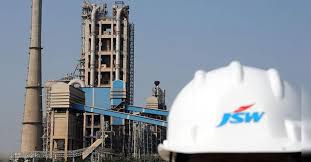
A major capacity addition at a cement facility in Rajasthan is signalling renewed momentum in India’s infrastructure-led growth cycle, as manufacturers scale up clinker production to meet rising construction demand. The commissioning of a high-capacity pyroprocessing unit at a plant in Nagaur marks a significant step in strengthening domestic cement supply chains while improving production efficiency.

The newly operational line, with a capacity of 8,000 tonnes per day, forms the core stage of cement manufacturing where raw materials are converted into clinker — the key binding component in cement. Industry observers note that such upgrades are critical as India accelerates investments in transport networks, housing, and industrial corridors, all of which depend heavily on steady cement availability.The expansion reflects a broader trend across the cement sector, where producers are prioritising scale and operational efficiency. Experts tracking the market indicate that large kiln lines are increasingly being deployed to reduce energy intensity per unit of output while meeting growing consumption needs. This is particularly relevant in a country where urbanisation continues to drive demand for affordable housing and commercial real estate.From an urban development perspective, the commissioning also underscores the role of industrial infrastructure in enabling city growth. Cement remains a foundational material for roads, metros, and climate-resilient buildings. As cities expand outward and densify inward, reliable clinker production becomes essential to avoid supply bottlenecks that could delay critical projects.

At the same time, the scale of such facilities raises important questions around sustainability. Pyroprocessing is energy-intensive and contributes significantly to carbon emissions in cement manufacturing. However, industry planners suggest that newer technologies embedded in modern plants can improve thermal efficiency and enable higher use of alternative fuels, potentially lowering the carbon footprint over time.Market signals further reinforce the timing of this capacity addition. Regional trade data indicates firming cement and clinker prices in parts of Asia, reflecting tightening supply-demand dynamics. For Indian producers, this creates both an opportunity to strengthen domestic supply and position themselves competitively in export markets.The development also aligns with India’s broader push for infrastructure expansion as a driver of economic growth. Public investment in highways, logistics parks, and urban infrastructure continues to stimulate downstream industries, including cement and steel. For manufacturers, expanding clinker capacity is a strategic move to stay ahead of demand cycles rather than react to shortages.

Looking ahead, the focus is likely to shift towards balancing scale with sustainability. As more such high-capacity units come online, regulators and industry stakeholders may need to accelerate the adoption of low-carbon technologies, waste heat recovery, and alternative raw materials. For rapidly urbanising regions, the challenge will be to ensure that the next phase of construction growth is both resource-efficient and environmentally responsible.

Also Read: Goa Coastal Erosion Raises Climate Risk Concerns

JSW Cement Expansion Boosts Clinker Production Capacity
RELATED ARTICLES

LEAVE A REPLY

Please enter your comment!
Please enter your name here

- Advertisment -spot_img

Most Popular

Recent Comments

West Bengal Real Estate Faces Turning Point

West Bengal Real Estate Faces Turning Point

Kolkata’s housing sector is once again under the spotlight as West Bengal approaches a politically charged electoral outcome that could reshape investor confidence, infrastructure...
CREDAI Premium Housing Drives Urban Market Shift

CREDAI Premium Housing Drives Urban Market Shift

India’s residential property market expanded sharply in value during 2025, with premium homes increasingly shaping urban growth patterns across major cities. New market data...
Nimbus Digital Portal Targets Fragmented Property Markets

Nimbus Digital Portal Targets Fragmented Property Markets

A new digital property discovery platform launched from Noida this week is highlighting the accelerating shift of India’s real estate sector towards data-driven transactions,...
India Housing Sector Balances Trust And Profit

India Housing Sector Balances Trust And Profit

A decade after the Real Estate Regulation and Development Act (RERA) came into force, India’s property market is showing signs of greater transparency and...
Mumbai Corridor Opens New Housing Frontiers

Mumbai Corridor Opens New Housing Frontiers

The opening of the new Mumbai Pune Expressway bypass section is expected to redraw development patterns across western Maharashtra, with planners and property analysts...