HomeLatestMaharashtra River Linking Project Faces Rising Budget Pressure

Maharashtra River Linking Project Faces Rising Budget Pressure

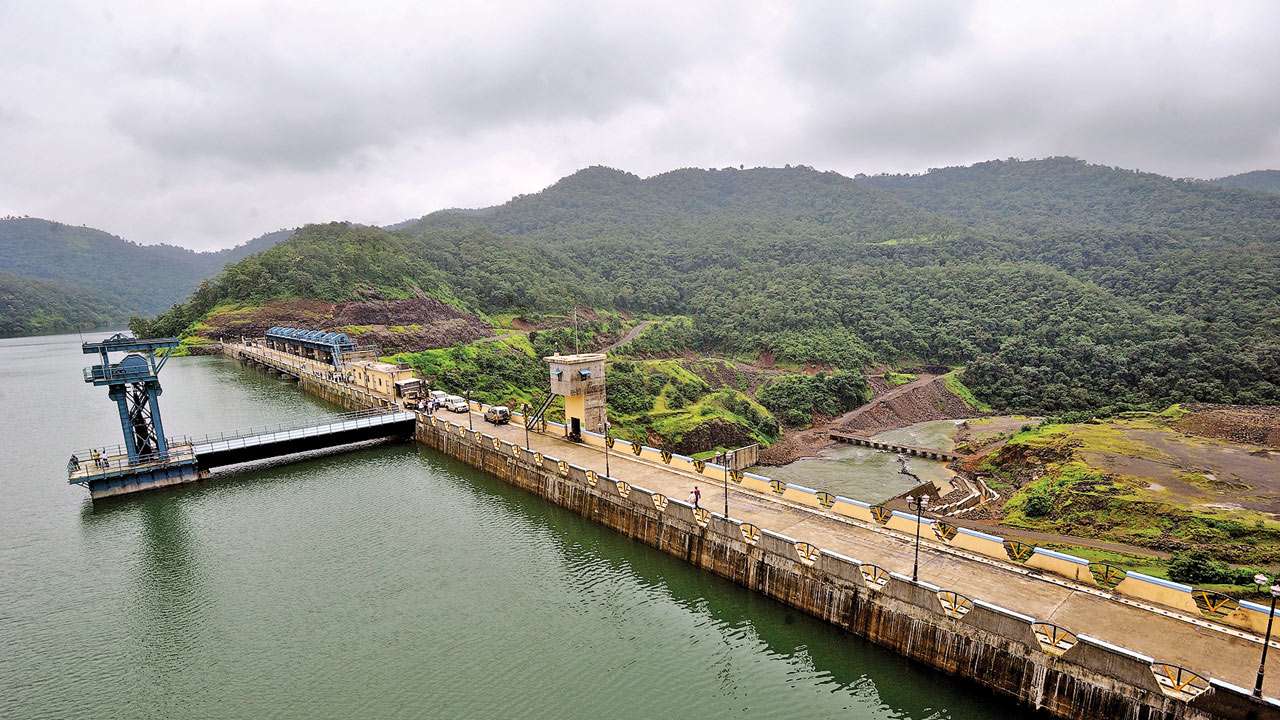
A massive irrigation and water transfer initiative planned across eastern and western Vidarbha in Maharashtra has become significantly more expensive even before ground work has begun. The Maharashtra river linking project cost has been revised to nearly ₹95,000 crore following updated administrative approval from the state government, reflecting rising infrastructure and land acquisition expenses for what is being described as India’s most extensive river interconnection programme.

The project proposes a 426-kilometre canal system designed to move surplus water from the Wainganga basin in eastern Vidarbha towards water-stressed districts in the western part of the region. Officials say the initiative aims to expand irrigation access and stabilise farm productivity in districts historically vulnerable to drought cycles and agrarian distress.According to government estimates, the revised Maharashtra river linking project cost stands at ₹94,967.66 crore, up by more than ₹6,000 crore from earlier projections. The increase reflects updated construction estimates, project design revisions and land acquisition requirements that have evolved since the plan first received policy clearance in 2024. Urban planners and water resource specialists say such cost escalations are common in large-scale hydraulic infrastructure projects that stretch across multiple districts and require extensive canal networks, pumping systems and reservoirs. In this case, more than 31,000 hectares of land will be required for canals, pumping stations and related infrastructure.

Once completed, the project is expected to irrigate over 400,000 hectares of farmland across eight districts of Vidarbha. Water allocations will not only support agriculture but also supply industries and growing urban settlements that increasingly face seasonal water shortages as climate variability intensifies across central India. The canal network is expected to deliver nearly 1.8 billion cubic metres of water annually to 38 administrative blocks across the region. Supporters of the project argue that a more reliable water supply could reduce crop failures, improve rural incomes and strengthen regional food security. However, experts also caution that river-linking programmes must be carefully managed to avoid ecological disruption and long-term river basin imbalance.

Large water transfer systems also intersect with broader debates around climate resilience and sustainable water governance. Hydrologists note that future rainfall variability, changing river flows and groundwater depletion will require adaptive planning to ensure such mega-projects remain viable over decades. The state government has indicated that it is seeking national project status for the scheme, which could significantly reduce the financial burden on the state if approved. Under such an arrangement, a majority share of project funding would come from the central government.

Construction is expected to unfold in stages over roughly a decade once financial and implementation frameworks are finalised. For drought-affected communities in Vidarbha, the project represents a long-promised attempt to rebalance regional water access  though its economic, environmental and fiscal implications will likely remain under scrutiny as planning progresses.

Also Read : Maharashtra Temple Town Attracts Shirdi Hospitality Investment
Maharashtra River Linking Project Faces Rising Budget Pressure
RELATED ARTICLES

LEAVE A REPLY

Please enter your comment!
Please enter your name here

- Advertisment -spot_img

Most Popular

Recent Comments

Vedanta Aluminium Output Hits Record as Restructuring Nears

Vedanta Aluminium Output Hits Record as Restructuring Nears

Vedanta closed FY26 with record aluminium and alumina production, strengthening its position in a metals market closely tied to India’s infrastructure, power and transport...

India Steel Consumption Signals Wider Urban Growth

India Steel Consumption Signals Wider Urban Growth

India’s steel consumption has nearly doubled over the past decade, reaching about 152 million tonnes in 2024-25 from 77 million tonnes in 2014-15. The...

Pune GCC Demand Reshapes Commercial Office Market

Pune GCC Demand Reshapes Commercial Office Market

Pune’s office market is increasingly being shaped by Global Capability Centres (GCCs), with multinational firms using the city for technology, engineering, financial and specialised...

Hyderabad Brigade Barcelona RERA Shapes Kokapet Housing

Hyderabad Brigade Barcelona RERA Shapes Kokapet Housing

Hyderabad’s western growth corridor is seeing another large residential addition as Brigade Barcelona, a luxury housing project in Kokapet’s Neopolis, moves ahead with Telangana...

Chandigarh RERA Enters Focus as Prime Homes Near Crores

Chandigarh RERA Enters Focus as Prime Homes Near Crores

Chandigarh’s prime residential market is entering a new price bracket, with registered transactions showing that well-located plots in established sectors can command tens of...