HomeReal EstateLandMumbai Dhobi Ghat Land Dispute Reshapes Laundry Hub

Mumbai Dhobi Ghat Land Dispute Reshapes Laundry Hub

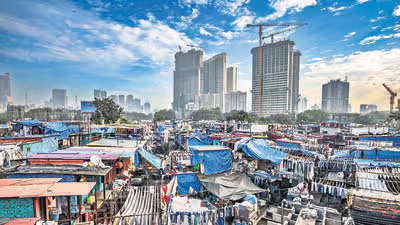
Mumbai’s historic open-air laundry district near Mahalaxmi is confronting a new phase of uncertainty as a legal dispute over land used by washermen intensifies pressure on the century-old workspace. At the centre of the conflict is the future of the Mumbai Dhobi Ghat, where hundreds of licensed laundry workers say redevelopment activity and shrinking drying space are threatening both livelihoods and a unique urban institution.

Spread across several acres in central Mumbai, the site functions as one of the largest manual laundry facilities in the world. Generations of washermen operate from designated washing platforms while nearby open land has traditionally been used to dry large volumes of linen for households, hotels and hospitals. Urban planners say the location’s proximity to key commercial districts has made the surrounding area highly valuable for residential redevelopment. Property transactions in this part of south-central Mumbai now command premium prices, reflecting strong demand for luxury housing and redevelopment projects. Over the past decade, multiple real estate schemes linked to slum rehabilitation initiatives have emerged in the immediate vicinity. According to planning experts, these programmes often generate additional development rights and higher permissible floor space index, making neighbouring land parcels commercially attractive.

Laundry workers operating at the site argue that redevelopment has already reduced access to essential drying areas that form a critical part of the work process. Without sufficient open ground to spread and dry garments, many have been forced to improvise by hanging laundry above washing platforms or in limited shared spaces, reducing efficiency and capacity. The dispute reached the courts after a group of workers challenged redevelopment activity that they believe absorbed portions of land historically associated with the ghat’s operations. Authorities and project developers maintain that the washing platforms themselves remain untouched and that eligible workers have been offered compensation or alternate arrangements for drying activities.

Earlier this year, a division bench of the Bombay High Court accepted submissions from civic authorities that alternative arrangements had been proposed, ruling that the washermen could not prevent the adjoining redevelopment project from proceeding. However, representatives of the workers’ collective say the substitute site lacks the size and conditions necessary for large-scale drying operations, and discussions with authorities are ongoing. Urban policy specialists say the case illustrates the tension between heritage livelihoods and intense land pressure in megacities. The Mumbai Dhobi Ghat, long recognised as part of the city’s living cultural infrastructure, also represents an informal yet essential service ecosystem that supports the hospitality, healthcare and residential sectors.

As redevelopment accelerates across Mumbai, planners increasingly face the challenge of integrating historic workspaces into modern land-use frameworks. Experts suggest that adaptive urban design, designated utility zones and community-linked redevelopment models could help preserve such occupations while still allowing cities to expand housing supply. For now, the washermen continue their work among the rows of concrete washing bays, even as negotiations over space, compensation and long-term security remain unresolved.

Also Read : Mumbai Property Tax Recovery Drive Targets Defaulters
Mumbai Dhobi Ghat Land Dispute Reshapes Laundry Hub
RELATED ARTICLES

LEAVE A REPLY

Please enter your comment!
Please enter your name here

- Advertisment -spot_img

Most Popular

Recent Comments

India Aluminium Sector Faces Raw Material Challenge

India Aluminium Sector Faces Raw Material Challenge

India’s smaller aluminium manufacturers are facing mounting financial pressure as rising raw material costs continue to erode competitiveness, prompting industry bodies to seek policy...
NMDC Steel Governance Move Supports Growth Plans

NMDC Steel Governance Move Supports Growth Plans

NMDC Steel has announced a key leadership change in its corporate governance structure with the appointment of a new Company Secretary and Compliance Officer,...
Tata Steel Earnings Reflect Infrastructure Momentum

Tata Steel Earnings Reflect Infrastructure Momentum

India’s expanding infrastructure pipeline helped Tata Steel Q1 Results reflect stronger domestic operational resilience during the first quarter of FY27, even as international operations...
Shree Cement Earnings Signal Cement Sector Challenges

Shree Cement Earnings Signal Cement Sector Challenges

Shree Cement has reported a weaker financial performance for the opening quarter of FY27, with standalone net profit declining year on year despite continued...
Shree Cement Board Meets On Quarterly Performance

Shree Cement Board Meets On Quarterly Performance

Shree Cement’s board is scheduled to meet on Q1 FY27 results this week, with investors closely watching the company’s financial performance amid evolving cement...