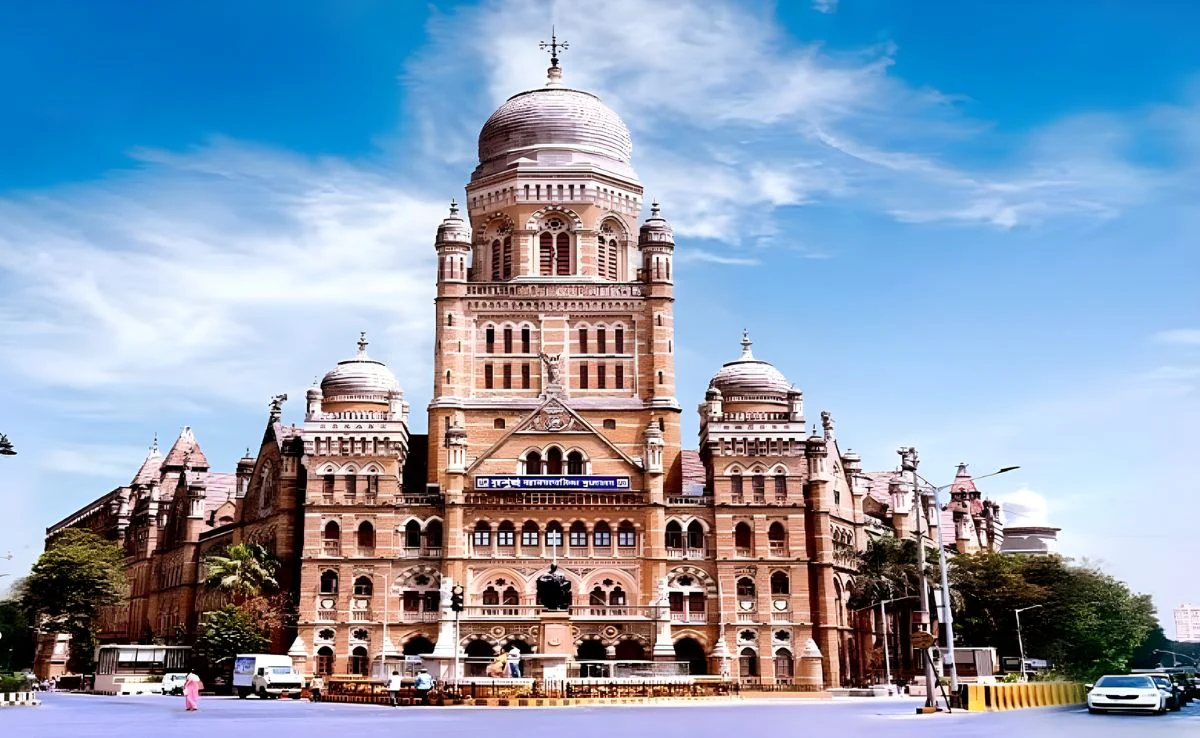
Mumbai’s first independently administered civic housing lottery has drawn a lower-than-expected response, with the Brihanmumbai Municipal Corporation (BMC) receiving just over 2,000 applications for 426 affordable homes across the city. Despite the tepid turnout, officials confirmed that the lottery process will continue as planned, noting that the initiative marks a significant shift in how Mumbai allocates public housing.
The civic body will publish the list of eligible applicants this week, followed by the automated draw scheduled for 20 November. Results, including the waiting list, will be released the following day. A senior official said the BMC intends to maintain transparency by adhering strictly to the timeline and digital procedures introduced for the new system.This marks the first time the BMC has conducted a housing draw independently, a responsibility traditionally handled by the Maharashtra Housing and Area Development Authority (MHADA). Urban development analysts suggest the shift reflects the city administration’s attempt to streamline allocation, reduce delays, and ensure quicker occupancy of public housing stock an essential need in a city grappling with density, inequity, and limited land availability.
The homes offered in this round arise from two key planning regulations. Under Regulation 15 of the Development Control and Promotion Regulations (DCPR) 2034, developers of large land parcels must hand over a portion of built-up space for affordable housing. Additional homes were acquired under Regulation 33(20)(b), which incentivises private landowners to develop low-cost units. Experts note that these instruments form an increasingly important part of Mumbai’s strategy to expand subsidised housing supply without overburdening municipal resources.Application patterns varied sharply across neighbourhoods. Locations with better transit links and stronger social infrastructure, such as Marol and Kandivali, received far higher interest than central or eastern suburbs. One observer pointed out that “affordability alone is not enough for most households commute time, job access, and liveability matter equally.” This uneven distribution highlights the deepening spatial inequalities in Mumbai’s housing market and the challenges of creating inclusive, well-connected communities.
The flats, priced between ₹55 lakh and ₹1 crore, range from 269 sq ft to 489 sq ft and are largely reserved for the Economically Weaker Sections (EWS) and Low-Income Groups (LIG). While the response was muted, planners caution that affordability in Mumbai remains strained, and the pricing though subsidised may still lie beyond the reach of many eligible households. As one housing activist noted, systemic reforms are needed to ensure that public housing aligns not only with income thresholds but also with long-term urban sustainability goals.Even with the low turnout, the civic lottery marks an important step towards strengthening Mumbai’s affordable housing pipeline. If future rounds integrate better outreach, transparent eligibility norms, and climate-resilient design standards, the city could move closer to delivering equitable and sustainable homes for its most vulnerable residents.
Mumbai BMC Housing Lottery Gets 2037 Applications For 426 Affordable Flats