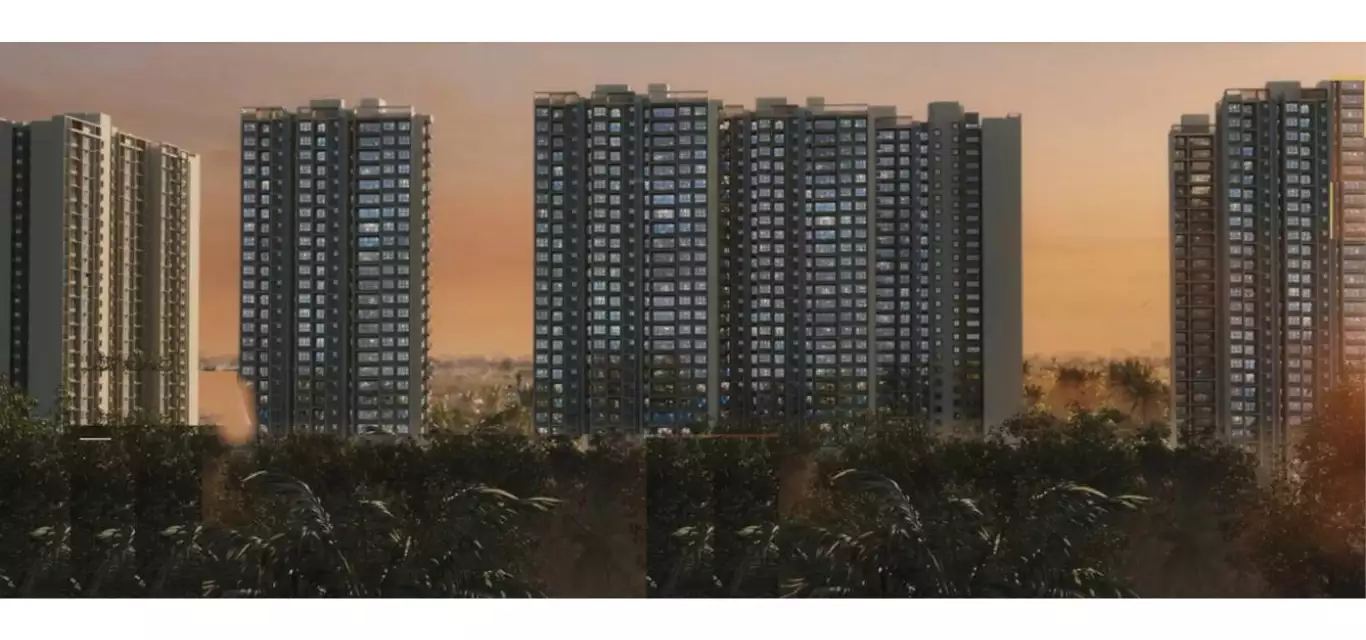
Mumbai’s mid and luxury housing market continues to witness strong demand for apartments promising scenic views from seafront homes in the city’s southern stretches to forest-facing towers near the Sanjay Gandhi National Park. Yet, an emerging counter-narrative is gaining traction on social media, where residents argue that these postcard-worthy vistas often lose their appeal during winter as poor air quality reduces visibility and turns prized views into hazy skylines.
Real estate consultants confirm that buyers routinely pay a premium for the promise of a cleaner, greener outlook. Homes overlooking mangroves, creeks, forests or the sea can cost significantly more than units in the same project facing internal roads or surrounding buildings. A consultant based in Mumbai’s eastern suburbs said that buyers may spend an additional ₹30 lakh for an apartment overlooking mangroves in certain locations. At the higher end of the market, developers in the western suburbs price forest-facing homes at ₹20–40 lakh more than comparable units with obstructed views.
This premium, consultants say, reflects a growing aspiration for openness in an increasingly dense city. For many buyers, a view represents access to light, ventilation and a sense of connection to nature qualities that enhance wellbeing and compensate for limited public green spaces. “A balcony with a view, whether of water or trees, is an emotional purchase,” a senior consultant said. “People associate it with healthier living, better mornings and a calmer home environment.”However, residents online argue that this expectation is not always met. A recurring theme across platforms is that visibility drops sharply during winter as air quality deteriorates, making sea-facing homes appear muted and forest views turn into silhouettes behind dense smog. Some users say they enjoy the view for only a few months each year, calling the premium “a seasonal luxury”.
The issue is magnified by the city’s rising pollution levels. Mumbai’s civic authorities recently announced that construction and industrial activity will be halted in any ward where the air quality index stays above 200 for three consecutive days, under the Graded Response Action Plan. Urban planners say such measures are necessary to protect public health, but they also underscore the fragility of environmental assets that developers rely on to market homes.Differences between “sea-facing” and “sea-view” homes also affect buyer expectations. Prominent stretches like Marine Drive offer direct frontage, but taller buildings behind them particularly around Churchgate provide distant views that could be obstructed by future development.
Forest views, too, vary across neighbourhoods such as Goregaon, Borivali, Vikhroli and Mulund, depending on elevation, layout and long-term zoning stability.
As Mumbai grows denser and climate challenges intensify, experts say the debate around views versus visibility highlights a deeper need for cleaner air, stronger environmental regulation and equitable access to green spaces. Without these, scenic premiums will remain vulnerable to the city’s shifting air quality and buyers may increasingly question their long-term value.
Mumbai Homebuyers Question Premium Views As Winter Pollution Reduces Scenic Visibility Citywide