HomeLatestMumbai Real Estate Demand Strengthens In February

Mumbai Real Estate Demand Strengthens In February

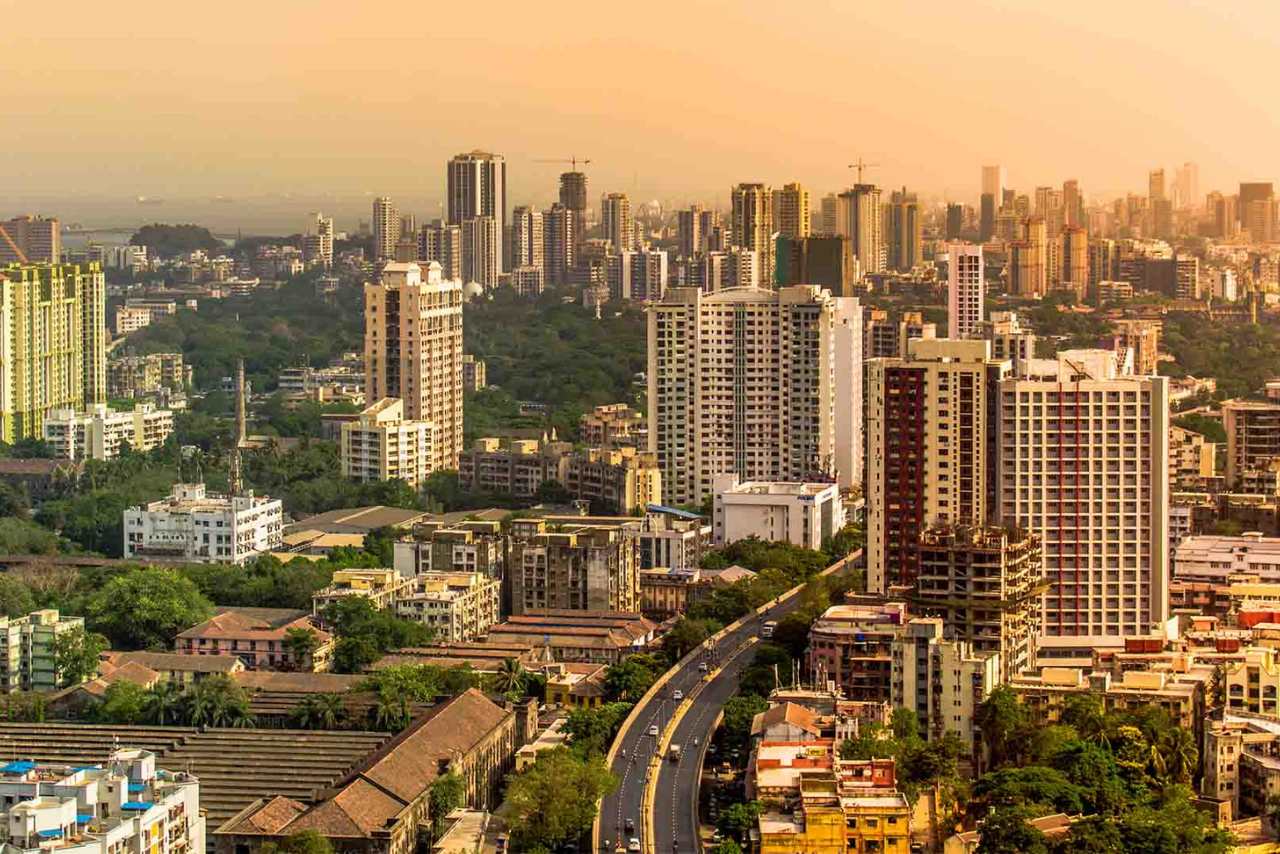
Mumbai’s housing sector recorded a steady rise in transactions in February, signalling continued buyer confidence in the country’s most expensive residential market. The uptick in Mumbai property registrations comes despite developers adopting a cautious approach to new launches earlier this year, highlighting the resilience of end-user demand and sustained investor interest in the city’s residential landscape. Official registration data from the state’s property records department shows that more than 12,800 homes were formally registered across the Brihanmumbai Municipal Corporation jurisdiction during February. This represents a modest year-on-year rise in transactions compared with the same period last year, indicating that housing demand in the financial capital remains stable even amid evolving economic and geopolitical uncertainties.

For the state government, the rise in Mumbai property registrations also translated into stronger fiscal receipts. Stamp duty collections for the month crossed ₹1,100 crore, significantly higher than the revenue recorded a year earlier. Analysts suggest the increase in revenue is linked not only to higher transaction volumes but also to a visible shift towards more expensive homes being purchased. Market observers note that the composition of housing demand in the city is gradually changing. Homes priced above ₹5 crore accounted for a larger share of total transactions compared with last year, while the ₹2–5 crore bracket also expanded. This trend suggests that affluent buyers and high-income households continue to drive activity in the city’s property market, particularly in well-connected neighbourhoods.

At the same time, the affordable segment continues to maintain a strong presence in the overall market mix. Industry analysts point out that the city’s housing demand remains diverse, with a significant share of registrations still concentrated in homes priced below ₹2 crore. However, the share of the lowest price category has gradually declined as property values rise and buyers increasingly prioritise larger or better-located homes. Suburban areas remain the primary drivers of residential activity. Western suburban neighbourhoods accounted for the majority of registrations during the month, reflecting a combination of better connectivity, infrastructure upgrades and redevelopment projects that are unlocking housing supply in these areas. Central suburban locations also contributed a sizeable share, although slightly lower than the previous year.

Urban planners say the suburban concentration of transactions reflects the city’s structural constraints. Limited land availability in core districts and the high cost of redevelopment continue to push both developers and buyers towards peripheral neighbourhoods that offer relatively larger homes and improved transport links. Experts emphasise that Mumbai’s housing ecosystem is heavily shaped by redevelopment of ageing buildings and infrastructure-led growth. This makes the city’s property cycle different from many other metropolitan markets, where greenfield expansion plays a larger role. Looking ahead, urban economists suggest sustained investment in public transport networks, climate-resilient infrastructure and balanced housing supply will be critical to ensure that growth in Mumbai property registrations supports inclusive urban expansion rather than widening affordability gaps in India’s densest megacity.

Also Read : Mumbai MHADA Approves Redevelopment Of Three Clusters
Mumbai Real Estate Demand Strengthens In February
RELATED ARTICLES

LEAVE A REPLY

Please enter your comment!
Please enter your name here

- Advertisment -spot_img

Most Popular

Recent Comments

Shree Cement Sets July Results Discussion

Shree Cement Sets July Results Discussion

Shree Cement is set to present its financial performance for the first quarter of FY27 through an investor and analyst interaction on 31 July,...
India Fertiliser Imports Reinforce National Supply Security

India Fertiliser Imports Reinforce National Supply Security

India imported more than 3.2 million tonnes of fertilisers during the first quarter of FY27, while expanding overseas sourcing arrangements to safeguard supplies ahead...
India Chemical Sector Gains Strategic Government Support

India Chemical Sector Gains Strategic Government Support

The Union Cabinet has approved a ₹3,030 crore national programme to strengthen India’s chemicals sector, aiming to boost domestic manufacturing, reduce import dependence and...
India Specialty Chemicals Drive Industrial Innovation

India Specialty Chemicals Drive Industrial Innovation

India’s specialty chemicals sector is entering a new phase of expansion driven by investments in advanced manufacturing, research and production capacity, as companies respond...
India Metal Recycling Drives Sustainable Manufacturing

India Metal Recycling Drives Sustainable Manufacturing

India’s next phase of growth in the metals sector is expected to rely increasingly on recycling rather than fresh mineral extraction, reflecting a broader...