HomeLatestTata Steel AI Push Reshapes Factories

Tata Steel AI Push Reshapes Factories

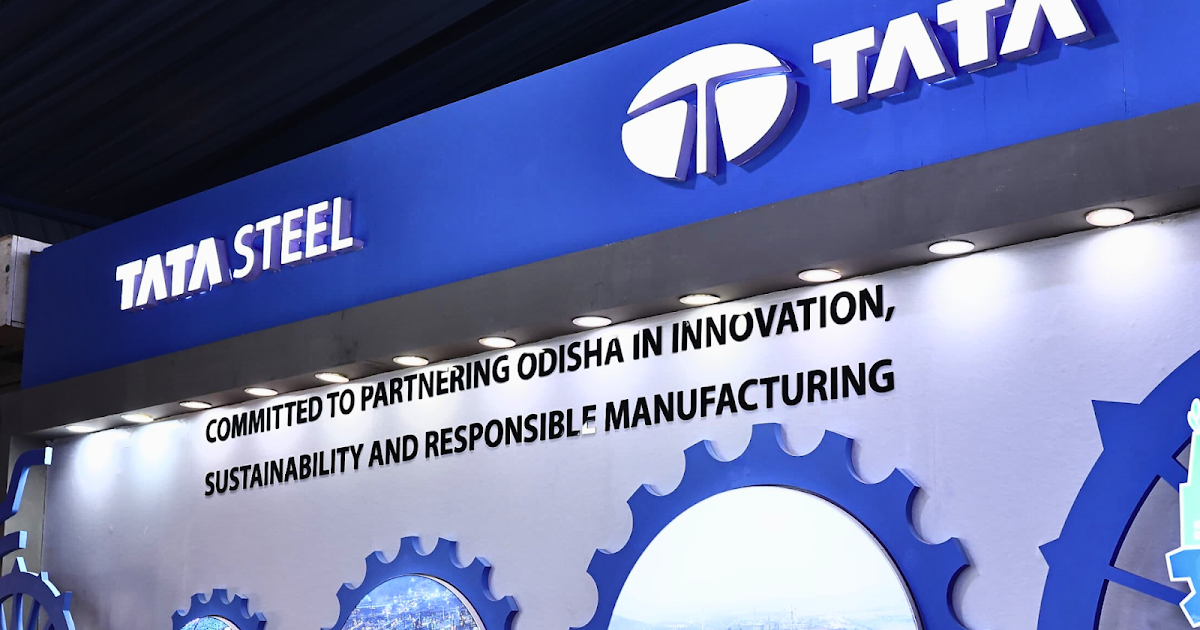
Tata Steel has expanded its partnership with Google Cloud, deploying more than 300 specialised artificial intelligence agents across operations in just nine months. The initiative signals how heavy industry is moving beyond pilot projects toward full-scale digital transformation, with implications for manufacturing productivity, worker safety and the carbon footprint of steelmaking. 

The rollout spans Tata Steel’s global value chain, where AI systems are being used to improve decision-making, streamline workflows and analyse operational data in real time. For a sector often associated with energy intensity and complex supply chains, the shift matters because even modest gains in efficiency can translate into lower costs, reduced waste and faster delivery for infrastructure and construction markets. According to publicly available details, Tata Steel has built two internal platforms to support the programme. One enables employees without specialist coding backgrounds to create and deploy customised AI tools, while another centralises previously siloed data from enterprise systems, documents and external sources. This democratisation of technology suggests manufacturers are increasingly trying to embed AI into everyday plant management rather than leaving it solely with IT teams. For Tata Steel, the commercial logic is clear. Steel producers face pressure from volatile raw material prices, rising environmental compliance costs and the need to modernise ageing industrial assets. Predictive maintenance tools can reduce equipment downtime, while automated workflow systems can improve procurement, customer response and internal administration. The company said one internal helpdesk function now resolves a majority of routine employee requests autonomously. 

There is also a wider urban impact. Steel remains foundational to metro rail, bridges, housing towers, industrial sheds and renewable energy infrastructure. If producers such as Tata Steel become more efficient, project developers and cities may benefit from stronger supply reliability and potentially better cost discipline over time.Environmental specialists note that AI could play a strategic role in decarbonising steel. Smart systems can optimise furnace temperatures, logistics routes, scrap usage and energy consumption, all of which influence emissions intensity. While AI alone will not replace the need for green hydrogen, renewable power or low-carbon technologies, it can improve how existing plants operate during the transition.The challenge, however, lies in execution. Industrial AI requires clean data, workforce training, cyber resilience and governance safeguards. Over-automation without worker adaptation can create internal friction, while poor-quality data can produce flawed decisions at scale.

For Tata Steel, the speed of deployment suggests digital capability is becoming a competitive differentiator, not an optional experiment. For India’s industrial economy, the deeper message is that future competitiveness may depend as much on software intelligence as on blast furnaces and physical capacity. If replicated responsibly, such moves could help factories become cleaner, faster and more resilient in a resource-constrained world.

Also Read: RJ Raunacs Noida Home Defines Calm Interiors

Tata Steel AI Push Reshapes Factories
RELATED ARTICLES

LEAVE A REPLY

Please enter your comment!
Please enter your name here

- Advertisment -spot_img

Most Popular

Recent Comments

India Construction Waste Crisis Demands Early Action

India Construction Waste Crisis Demands Early Action

As India accelerates infrastructure delivery and urban expansion,experts are calling for a fundamental shift in how the construction industry addresses material waste. The issue has...
India Construction Growth Climbs Global Rankings Fast

India Construction Growth Climbs Global Rankings Fast

India has strengthened its position as one of the world’s most influential construction markets,with its contribution to global building activity rising sharply amid sustained...
India Infrastructure Push Reshapes Future Urban Networks

India Infrastructure Push Reshapes Future Urban Networks

India is continuing to channel significant public investment into transport networks,industrial capabilities and advanced manufacturing as policymakers seek to sustain economic momentum while preparing...
KD Industries Merger Reflects Circular Economy Push

KD Industries Merger Reflects Circular Economy Push

A proposed corporate restructuring in India’s metal and manufacturing sector is drawing attention to the increasing role of sustainability led business models in industrial...
India Building Sector Adapts To Technology Shift

India Building Sector Adapts To Technology Shift

India’s construction sector is undergoing a significant structural shift as digital technologies, sustainability requirements and changing urban needs reshape how buildings and infrastructure are...