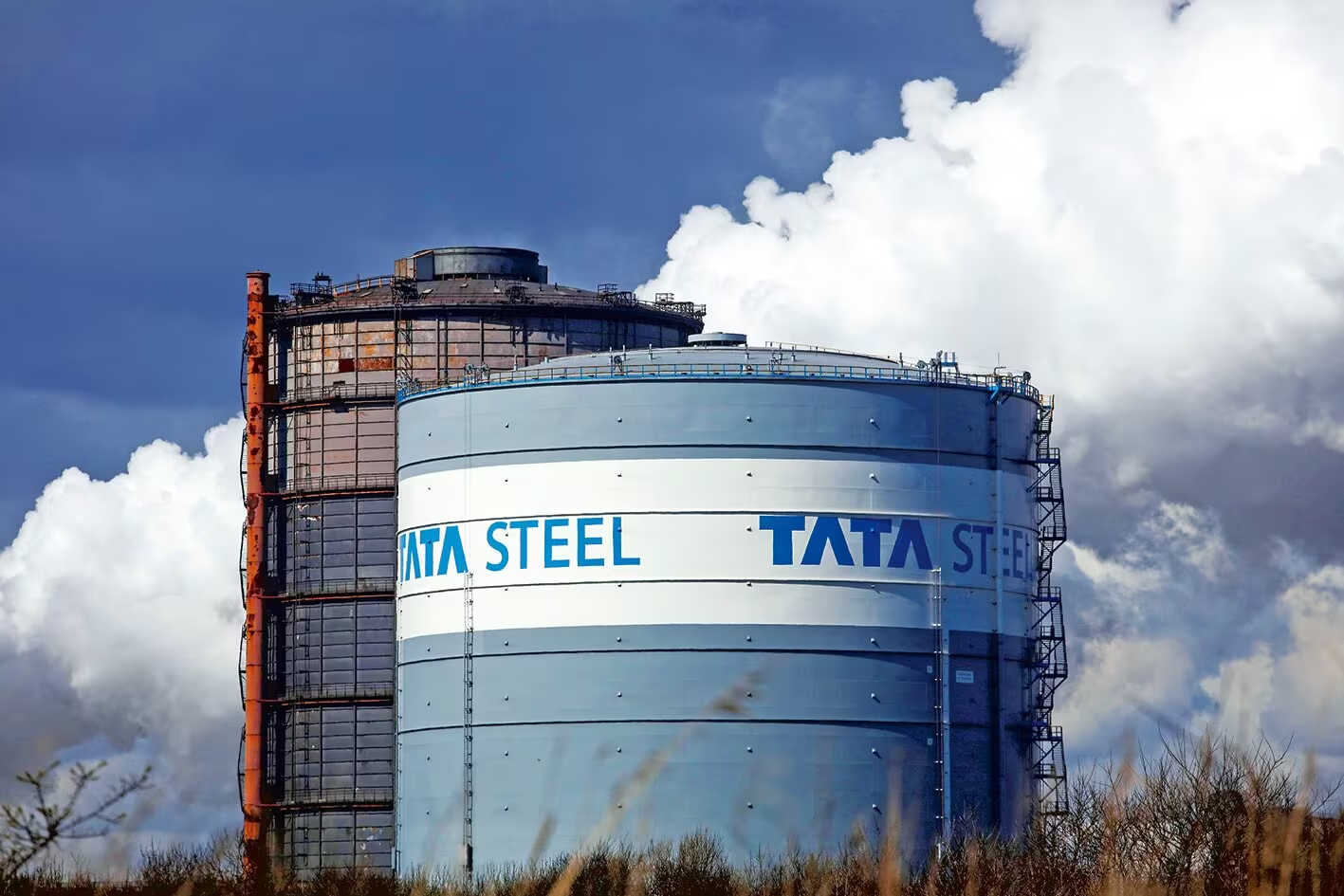
Tata Steel is contesting a ₹1,755 crore demand raised by mining authorities in Jharkhand over alleged excess coal extraction from its West Bokaro Colliery, reopening debate around historical resource governance and regulatory certainty in India’s mining sector. The dispute matters beyond one company because captive coal supplies remain deeply linked to steel production costs, industrial expansion and the environmental future of heavy industry.
According to public disclosures, the notice was issued by the District Mining Office in Ramgarh and relates to alleged production above approved limits between FY2000-01 and FY2006-07. Authorities have reportedly cited principles associated with earlier court rulings on illegal mining and excess extraction while calculating the claim. The company has disputed the basis of the demand and indicated it will pursue legal remedies through appropriate forums. That sets the stage for a potentially significant case on how historic mining approvals, production ceilings and retrospective liabilities are interpreted under current regulatory frameworks. For cities and infrastructure markets, the case carries wider implications. Steel underpins housing, bridges, metros, renewable energy structures, water systems and industrial parks. When raw material disputes affect producers, they can create uncertainty around planning, investment timing and long-term capacity decisions. Even where operations continue uninterrupted, legal overhangs can alter boardroom priorities.The coal mining compliance issue also highlights the transition challenge facing India’s industrial economy. Captive coal mines have historically offered steelmakers greater control over fuel inputs, but they are increasingly scrutinised for environmental, land-use and governance impacts.
As climate targets tighten, companies must balance short-term resource security with longer-term shifts toward lower-carbon steelmaking technologies, scrap recycling and cleaner energy sources.Urban planners and sustainability experts note that mining disputes are not only commercial matters. Coal extraction can affect air quality, water systems, biodiversity and nearby communities. Stronger monitoring, digital production records and transparent approvals processes are essential if industrial growth is to retain public legitimacy.At the same time, businesses often seek clearer and more predictable regulation, particularly when claims involve operations from earlier decades. Retrospective disputes can complicate investment decisions in sectors that require large, multi-year capital commitments such as steel, cement and power.India’s steel demand outlook remains tied to public infrastructure spending and urbanisation, meaning raw material governance will stay central to competitiveness. Cases like this one therefore become tests of how the country manages both industrial expansion and accountability.
For Tata Steel, the immediate task is legal resolution. For policymakers, the broader challenge is creating a framework where resource extraction is transparent, environmentally responsible and commercially predictable. The future of heavy industry may depend as much on trusted governance as on ore, coal or capital.