In this conversation, Antony Parokaran, Director – Parking Division at Sieger Global, discusses automation, engineering reliability, redevelopment challenges, EV integration, and the future of intelligent mobility ecosystems.
Q Your journey into automated parking stems from a strong foundation in industrial automation. What strategic insight led you to identify parking as a high-potential urban infrastructure segment?
Our entry into parking came from observing a clear gap in urban infrastructure. Buildings were becoming more sophisticated, but parking was still being treated as an afterthought. With our background in automation, we saw an opportunity to apply engineering and process-driven thinking to a growing urban problem.
The validation came very early through developer interactions. Space constraints were becoming increasingly severe, particularly in dense urban markets where land economics directly impacted project viability. Developers were actively looking for structured and scalable parking solutions.
Over the last decade, that demand has only intensified. Today, with more than 15,000 car parking spaces installed across multiple cities, it is evident that parking is no longer a supporting function—it has become a core part of real estate planning and urban mobility infrastructure.
 Q How has your legacy in precision engineering and process automation influenced the reliability of your parking systems?
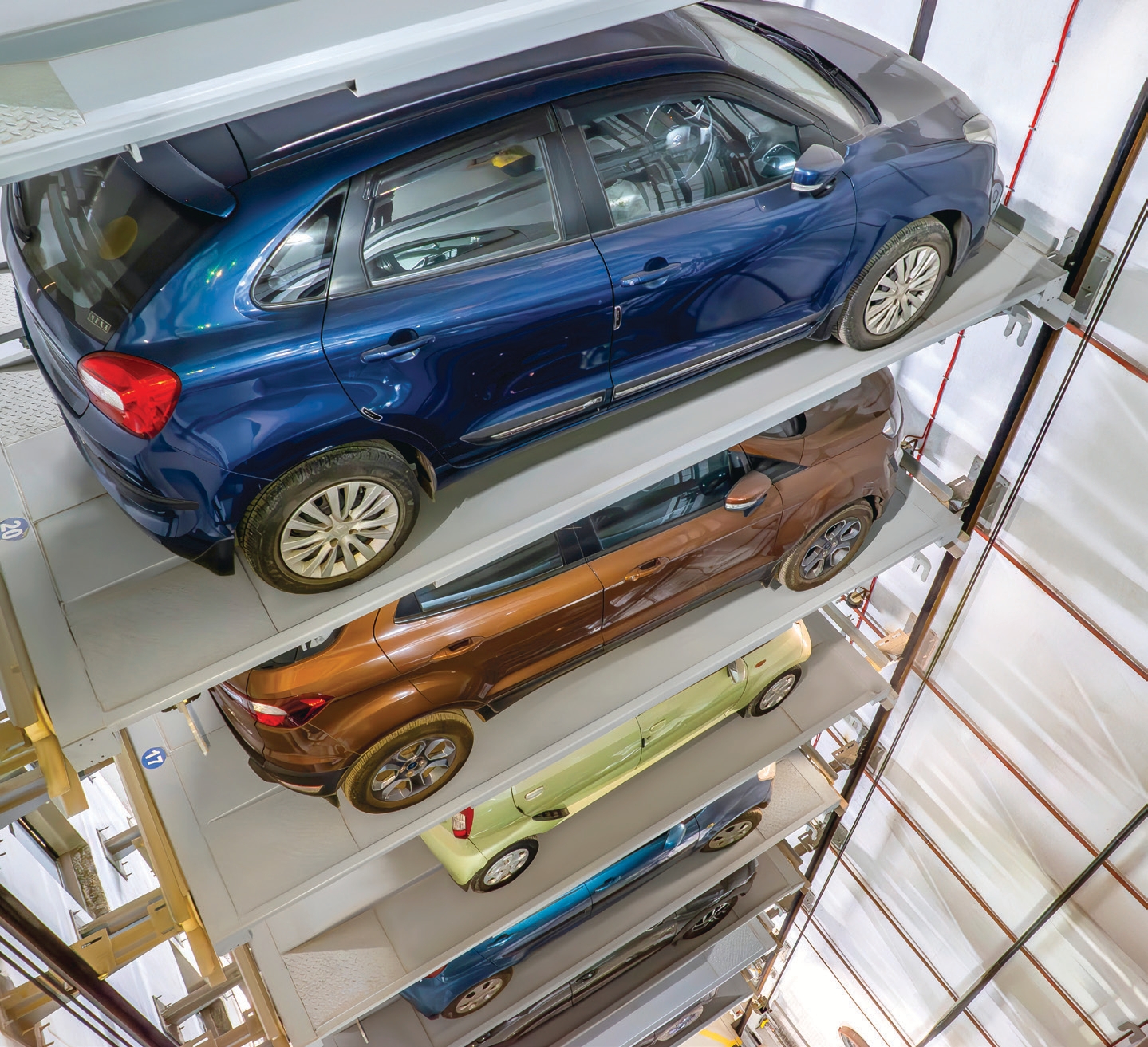
Our automation background funda mentally shapes how we approach parking infrastructure. We do not design systems only for installation—we engineer them for long-term consistency, reliability, and operational stability.
Every system is developed with a process-driven mindset, ensuring predictable performance over its lifecycle. Today, we offer one of the widest parking solution portfolios in India, ranging from rotary systems to advanced tower parking technologies.
Reliability is especially critical in automated infrastructure. Our systems are engineered for average retrieval times below 120 seconds while minimizing downtime and maintenance dependency. For developers and facility managers, this translates into lower lifecycle costs, higher uptime, and a more dependable long-term asset.
Q How do you differentiate technologically while remaining cost competitive?
Our biggest differentiator is that our systems are built specifically for India. Every project comes with unique structural and operational constraints, and our strength lies in designing solutions around those realities rather than offering standardised imports. All our systems are designed, manufactured, and tested in India for Indian urban conditions. We operate as a fully integrated manufacturer with complete in-house control over both hardware and software from our advanced manufacturing facility in Coimbatore. This gives us significant control over quality, cost efficiency, and delivery timelines.
At the same time, innovation remains central to our growth. Systems like our H-Cart Tower Parking technology, which received recognition under the “Excellence in Parking – 2026” category, reflect our focus on combining advanced engineering with practical usability.
Q Rotary systems are often considered entry-level automation. How are these systems evolving today?
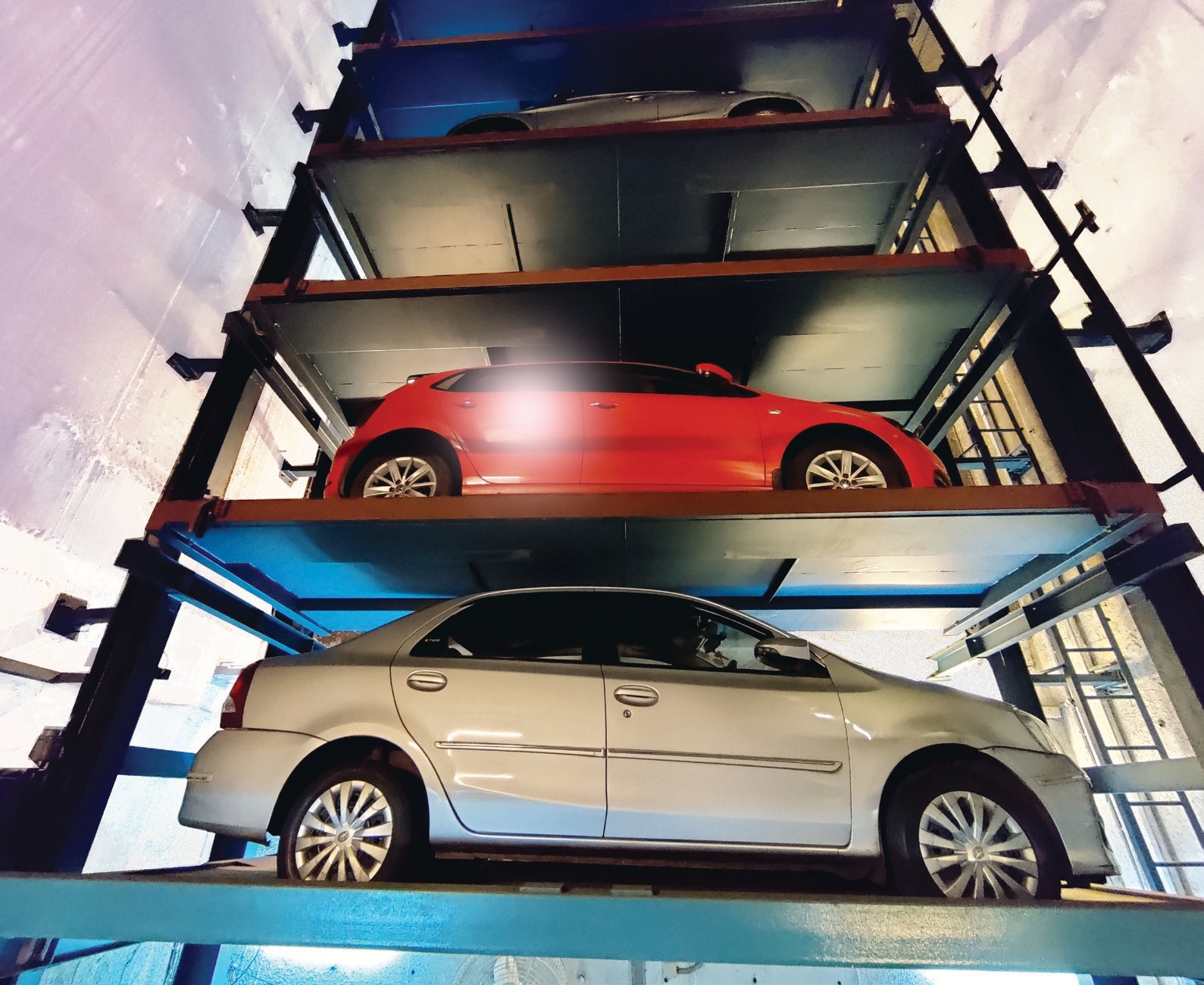
Rotary systems are often the first interaction users have with parking automation, so reliability and simplicity become extremely important. We have focused heavily on improving cycle efficiency, operational smoothness, and safety mechanisms within these systems. Features like enhanced safety interlocks, better user controls, and optimized movement cycles ensure that even entry-level automation delivers a dependable and intuitive experience.
The goal is to make automation accessible while ensuring that users feel comfortable and confident interacting with the system every day.
Q How do you determine the right parking solution for a project?
Selecting the right parking system requires detailed understanding of the project itself. We evaluate several parameters including spatial constraints, traffic movement patterns, vehicle flow, user behaviour, and operational requirements before recommending a solution.
The timing of this integration is equally important. Parking decisions made during the early design stage create far greater optimization opportunities. When integrated correctly, automated systems can increase parking capacity by up to eight times within the same footprint.
Late-stage integration often limits efficiency and reduces the overall potential of the system.
Q How is IoT and predictive maintenance changing parking infrastructure?
Smart infrastructure is becoming increasingly important in parking.Through our Parking Management System platform, we integrate real-time monitoring, usage analytics, traffic visibility, and operational diagnostics into the system architecture. This allows us to move toward predictive maintenance rather than reactive servicing. The impact is significant. Predictive monitoring improves uptime, reduces operational interruptions, and gives developers and facility managers much better visibility into system performance and maintenance planning.
Q Safety remains one of the biggest concerns in automated parking. How do you address this?
Safety is embedded at every level of our engineering process. Our systems incorporate multiple sensors, fail-safe mechanisms, redundancy protocols, and safety interlocks to ensure controlled and secure operations at all times. We also continuously align our engineering standards with evolving regulations and global best practices.
Equally important is operational simplicity. Systems that are intuitive and easy to operate significantly reduce the possibility of user errors. Safety is not just about engineering—it is also about creating systems that users can interact with confidently.
Q In dense markets like Mumbai, how do automated systems impact project value?
In high-density markets, land efficiency directly influences project economics. Automated parking enables developers to substantially increase parking capacity within the same footprint, which improves space utilization and overall feasibility. In many cases, it also enhances the perception and premium positioning of the project.
Structured and efficient parking is no longer viewed as an optional amenity For modern urban buyers, especially in.premium and redevelopment projects, it has become an expectation.
 Q How are redevelopment projects influencing parking innovation?
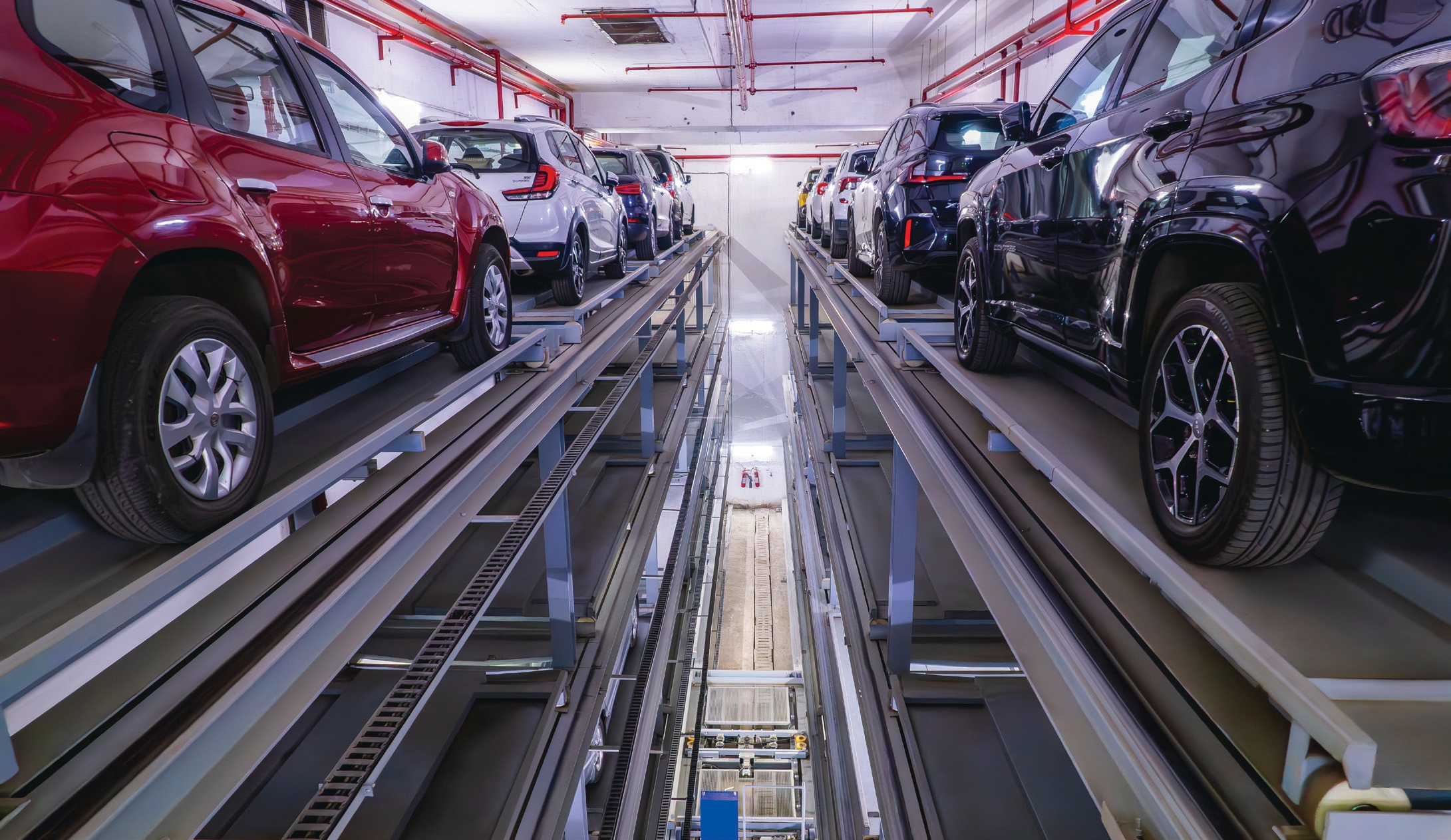
Redevelopment projects require highly flexible and modular solutions because spatial limitations are often severe.
Our systems are designed to integrate into tight and complex layouts without requiring major structural modifications. Beyond engineering adaptability, we also focus heavily on user experience and operational simplicity because adoption becomes much smoother when the system feels intuitive and reliable.
In redevelopment, success is not just about fitting the technology—it is about ensuring that it becomes a seamless part of daily life.
Q How are your systems adapting to the rise of electric vehicles?
EV integration is no longer a future consideration—it is already becoming essential. Our systems are designed to support integrated EV charging infrastructure, and we have already implemented this capability within one of India’s largest tower parking installations. The objective is to ensure that parking systems remain future-ready and adaptable as mobility evolves. We are also exploring partnerships within the broader mobility and energy ecosystem to strengthen this integration further.
Q Looking ahead, how do you see automated parking evolving over the next decade?
Parking is already evolving beyond a standalone utility. It is becoming part of a larger ecosystem that includes digital infrastructure, EV integration, smart city frameworks, and mobility platforms. The future will belong to systems that are intelligent, connected, and adaptable.
Our vision is very clear. We aim to remain among the leading players driving this transformation while continuing to build infrastructure that responds not only to current urban challenges, but also to the future needs of cities.