HomeLatestVividobots Advances Smart Facade Robots For Highrise Care

Vividobots Advances Smart Facade Robots For Highrise Care

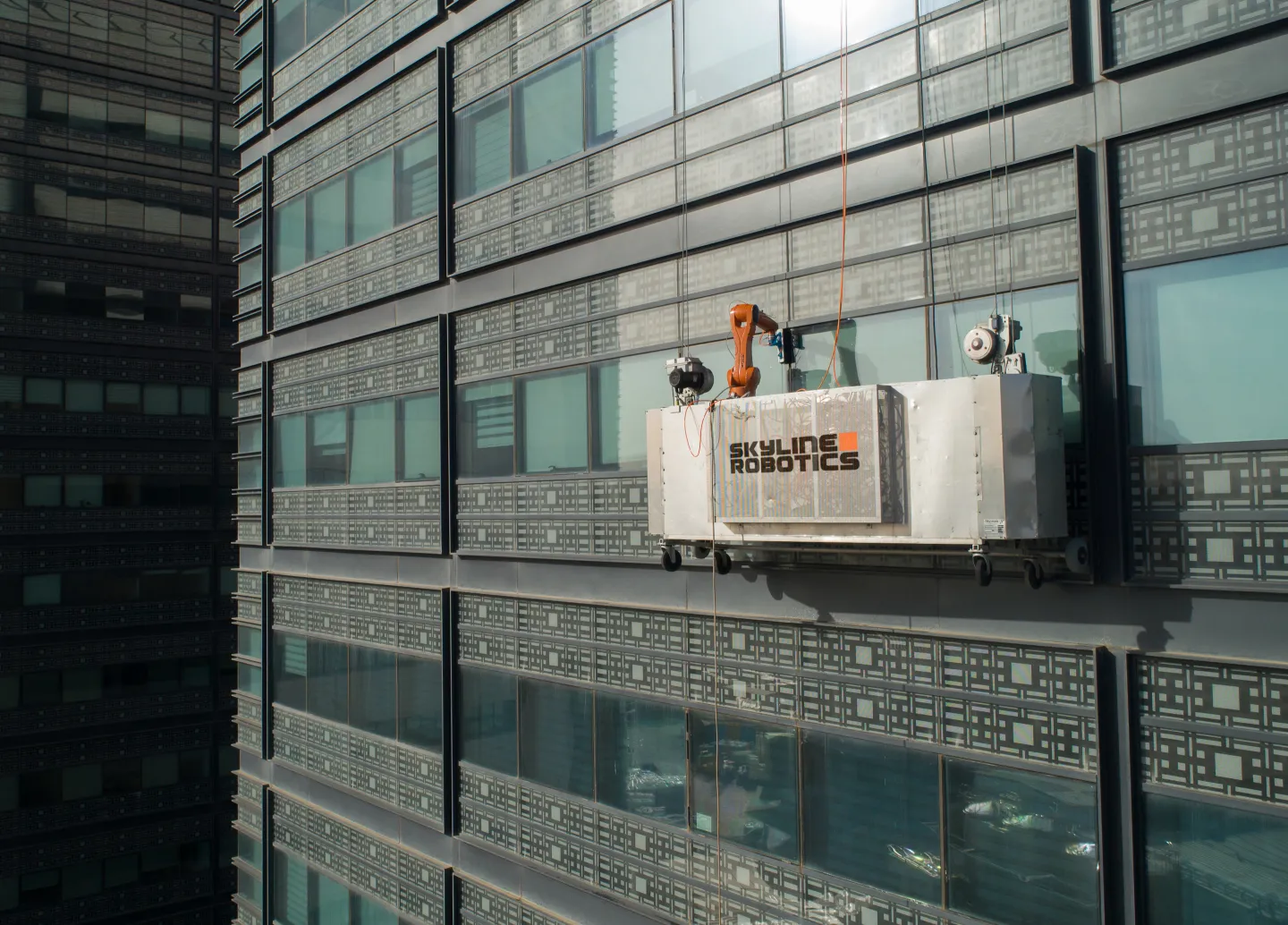
India’s boom in tall buildings and integrated urban infrastructure has catalysed a new wave of industrial automation aimed at solving complex maintenance challenges. Vividobots Pvt. Ltd., an emerging robotics startup, has developed autonomous systems designed to paint and clean the exteriors of high-rise structures — a domain traditionally dominated by manual labour and elevated safety risks. This shift highlights a broader trend toward technology-enabled, safe and efficient building upkeep within India’s expanding real estate and urban services market.

The startup’s solution portfolio includes two core products, with Wiperque already deployed in the field. These robots are engineered to navigate building facades, executing tasks such as washing, sweeping and surface maintenance with minimal human intervention. By integrating machine vision, sensors and control algorithms, the machines can adapt to complex geometries of modern high-rise exteriors — a significant step forward from the harness-dependent methods that have historically exposed workers to fall hazards and inconsistent performance.Urban planners and property developers view such innovations as strategic enablers for long-term asset management. With India’s urban population projected to account for more than half the country’s total by the mid-2030s, the demand for reliable maintenance of tall buildings and mixed-use complexes is intensifying. Robots capable of autonomously scanning and servicing facades not only improve safety outcomes but also support predictive maintenance regimes that preserve building performance over decades — aligning with sustainability and asset-resilience goals that cities increasingly prioritise.

From a business perspective, automating facade maintenance could reshape service models across the construction and real estate sectors. Traditional facade cleaning and repainting operations often require suspended platforms, safety rigging and skilled technicians, which add cost and project variability. By contrast, robotic systems offer structured data capture and repeatable quality outcomes across multiple job cycles — features that are gaining attention among institutional realty managers and facility management firms. Sector analysts suggest this could lead to new contractual frameworks tied to performance metrics, such as facade condition indices and cleaning frequency benchmarks.However, challenges remain on the path to widespread adoption. Cost considerations, integration with existing maintenance workflows, and the need for industry standards around autonomous operation in urban environments are key factors that will determine market pace. Moreover, developers and city authorities must weigh regulatory frameworks for deploying such technology in dense metropolitan areas, from safety certification to public liability considerations.

Looking ahead, innovations like those from Vividobots have the potential to influence not just how buildings are kept clean but also how urban environments are maintained sustainably and safely. As Indian cities expand vertically and horizontally, technology solutions that reduce risk, improve efficiency and enable data-driven planning will play an increasingly central role in shaping equitable and resilient urban development.

Also Read: Leotronic Scales Expands India Weighbridge Automation

Vividobots Advances Smart Facade Robots For Highrise Care
RELATED ARTICLES

LEAVE A REPLY

Please enter your comment!
Please enter your name here

- Advertisment -spot_img

Most Popular

Recent Comments

Vedanta Aluminium Output Hits Record as Restructuring Nears

Vedanta Aluminium Output Hits Record as Restructuring Nears

Vedanta closed FY26 with record aluminium and alumina production, strengthening its position in a metals market closely tied to India’s infrastructure, power and transport...
India Steel Consumption Signals Wider Urban Growth

India Steel Consumption Signals Wider Urban Growth

India’s steel consumption has nearly doubled over the past decade, reaching about 152 million tonnes in 2024-25 from 77 million tonnes in 2014-15. The...

Pune GCC Demand Reshapes Commercial Office Market

Pune GCC Demand Reshapes Commercial Office Market

Pune’s office market is increasingly being shaped by Global Capability Centres (GCCs), with multinational firms using the city for technology, engineering, financial and specialised...

Hyderabad Brigade Barcelona RERA Shapes Kokapet Housing

Hyderabad Brigade Barcelona RERA Shapes Kokapet Housing

Hyderabad’s western growth corridor is seeing another large residential addition as Brigade Barcelona, a luxury housing project in Kokapet’s Neopolis, moves ahead with Telangana...
Chandigarh RERA Enters Focus as Prime Homes Near Crores

Chandigarh RERA Enters Focus as Prime Homes Near Crores

Chandigarh’s prime residential market is entering a new price bracket, with registered transactions showing that well-located plots in established sectors can command tens of...