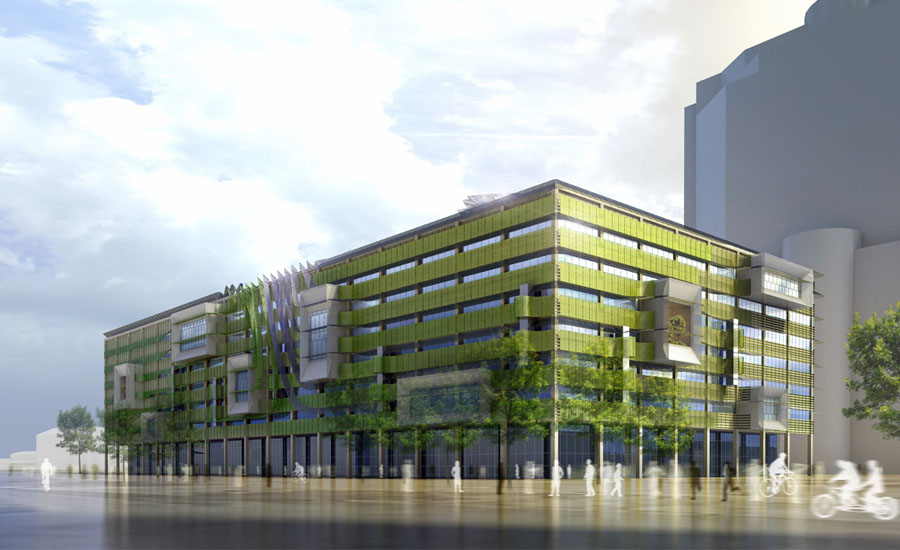
In Kolkata, a new generation of office developments is signalling a shift in how urban commercial spaces are planned, built and occupied, with sustainability emerging as a defining factor in real estate decisions. The rise of projects such as Keventer One reflects a broader recalibration in the city’s commercial property landscape, where environmental performance and long-term efficiency are becoming central to value creation.
Urban planners and market observers note that Kolkata’s commercial property sector, traditionally slower to adopt green building standards compared to cities like Bengaluru or Mumbai, is now catching up. This transition is being driven by a combination of tenant demand, rising operational costs, and regulatory nudges encouraging energy-efficient construction. Developers are increasingly incorporating features such as optimised daylight use, energy-saving systems, and water conservation infrastructure into new office spaces. The emergence of large-scale commercial hubs designed with sustainability in mind is also tied to evolving workplace expectations. Post-pandemic occupiers, particularly multinational firms and technology companies, are prioritising buildings that support employee well-being, reduce carbon footprints, and align with global environmental, social and governance (ESG) benchmarks. In this context, the Kolkata commercial property market is seeing a gradual shift from purely cost-driven leasing decisions to quality-led occupancy strategies.
Industry experts suggest that green-certified buildings, though initially more capital-intensive, tend to deliver stronger long-term returns through lower energy consumption and higher occupancy rates. This has prompted developers to rethink traditional construction approaches and adopt materials and technologies that reduce lifecycle emissions. In parallel, financial institutions are showing increased willingness to back projects that meet sustainability criteria, further reinforcing the trend. However, the transition is not without challenges. Retrofitting older commercial buildings many of which dominate Kolkata’s central business districts remains complex and costly. Smaller developers also face barriers in accessing the technical expertise and financing required for sustainable construction. Urban planners argue that policy support, including incentives for green retrofits and clearer building standards, will be crucial to ensure that sustainability is not limited to premium developments alone.
Beyond environmental considerations, the shift has wider implications for urban equity. Well-designed commercial spaces can influence commuting patterns, reduce congestion, and improve air quality if integrated with public transport and mixed-use planning. As Kolkata expands its commercial footprint, aligning growth with inclusive and climate-resilient principles will be key to avoiding the pitfalls seen in other rapidly urbanising regions.The evolution of Kolkata commercial property thus reflects more than a real estate trend it signals a structural change in how the city balances economic growth with environmental responsibility. The pace at which this transition deepens will depend on policy alignment, investor confidence, and the willingness of stakeholders to prioritise long-term urban resilience over short-term gains.
Kolkata Commercial Property Shifts Toward Green Offices