HomeLatestIndia Real Estate Sees USD 1.1 Billion Private Equity Inflows

India Real Estate Sees USD 1.1 Billion Private Equity Inflows

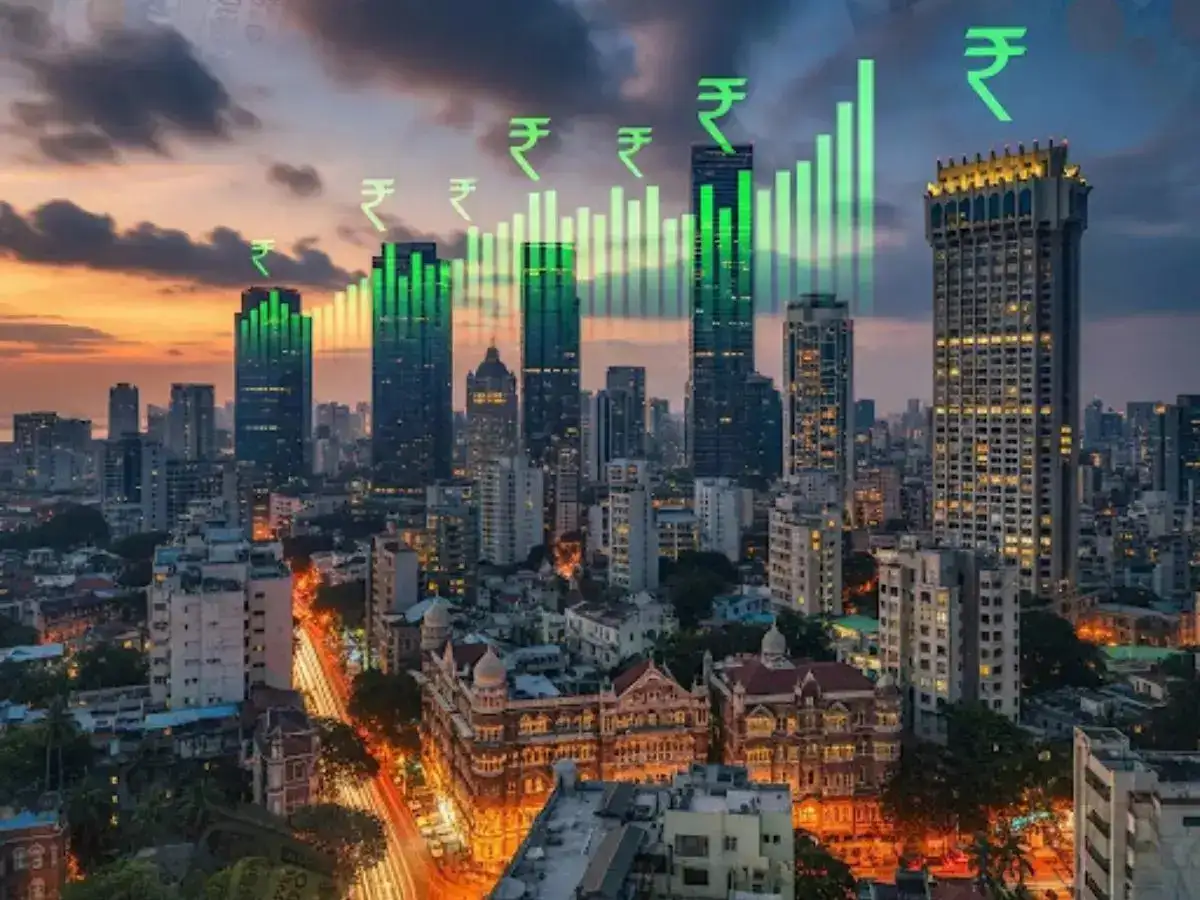
Private equity inflows into India’s real estate sector moderated during the first half of 2026, with total investments declining to approximately USD 1.1 billion, reflecting a more selective investment environment despite continued confidence in the country’s long-term property market. The trend highlights changing capital allocation strategies as investors increasingly prioritise high-quality assets, resilient infrastructure and projects aligned with evolving urban development needs. Market analysts note that while overall Private Equity Investments have softened compared with the same period last year, the decline does not necessarily indicate weakening fundamentals. Instead, investors are adopting a cautious approach amid global economic uncertainty, higher financing costs and changing risk assessments across international markets. Capital is increasingly flowing towards projects that demonstrate strong governance, sustainable construction practices and stable long-term returns.

Industry experts believe institutional investors are becoming more selective about where capital is deployed. Rather than pursuing rapid expansion across multiple asset classes, investment firms are focusing on commercial offices, logistics parks, mixed-use developments and income-generating properties with proven demand. This strategy reflects a broader shift towards resilient real estate assets capable of withstanding economic volatility while supporting urban productivity. The moderation in Private Equity Investments also highlights the changing relationship between finance and city-building. Urban planners argue that long-term institutional capital plays an important role in developing transport-linked commercial hubs, green buildings and integrated urban infrastructure. Even during periods of slower investment activity, projects with strong environmental credentials, efficient resource management and climate-resilient design continue to attract investor interest because they offer greater operational stability over time.

India’s real estate market remains supported by favourable structural factors, including rapid urbanisation, infrastructure expansion, rising formalisation of the property sector and sustained demand across residential, industrial and logistics segments. According to market observers, these fundamentals continue to position the country as an attractive destination for long-term institutional capital, even if investment volumes fluctuate over shorter periods. Economic experts also point out that disciplined capital deployment can improve the overall quality of development. Greater due diligence encourages developers to strengthen financial transparency, regulatory compliance and sustainability standards before seeking institutional funding. Such changes ultimately contribute to healthier real estate markets and more responsible urban growth.

However, maintaining investor confidence will require continued improvements in regulatory certainty, faster project approvals and stronger urban infrastructure. Policymakers are also expected to play an important role in supporting climate-resilient development, encouraging green financing and strengthening frameworks that attract long-term global capital. As India’s cities continue to expand, the future trajectory of Private Equity Investments will depend less on short-term market cycles and more on the sector’s ability to deliver transparent, sustainable and economically resilient projects. For investors and urban planners alike, quality, environmental performance and long-term value creation are increasingly becoming the defining benchmarks for the next phase of real estate growth.

Also Read: Platinum Corp Expands Premium Housing In Mumbai
India Real Estate Sees USD 1.1 Billion Private Equity Inflows
RELATED ARTICLES

LEAVE A REPLY

Please enter your comment!
Please enter your name here

- Advertisment -spot_img

Most Popular

Recent Comments

Haryana RERA Extends Project Timelines Amid Disruption

Haryana RERA Extends Project Timelines Amid Disruption

Haryana’s real estate regulator has granted a four month extension to eligible projects affected by disruption from the West Asia conflict, giving developers additional...
India Industrial Property Demand Broadens Across Cities

India Industrial Property Demand Broadens Across Cities

India’s industrial and logistics property market recorded its strongest first-half performance on record in H1 2026, with leasing across the country’s top eight cities...
Tamil Nadu RERA Eases Pressure On Delayed Projects

Tamil Nadu RERA Eases Pressure On Delayed Projects

Tamil Nadu’s real estate regulator has granted a four-month extension to eligible registered projects affected by disruption linked to the West Asia conflict, providing...
India Property Growth Raises Affordability Questions

India Property Growth Raises Affordability Questions

India’s leading listed residential developers are projected to generate combined pre sales of about ₹1.82 lakh crore in FY27, up 22.3% from ₹1.49 lakh...
Pune Real Estate Sees Stronger Urban Demand

Pune Real Estate Sees Stronger Urban Demand

Pune’s property market strengthened across both commercial and residential segments in the first half of 2026, with office leasing reaching a record half year...