HomeLatestAMNS India targets stronger steel for critical infrastructure

AMNS India targets stronger steel for critical infrastructure

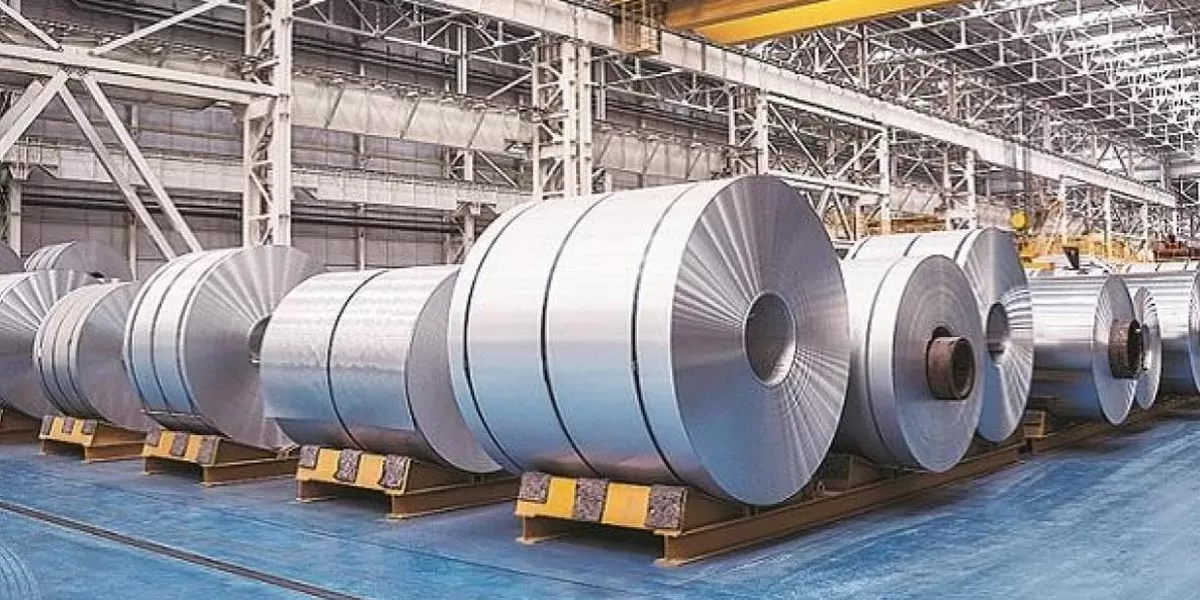
ArcelorMittal Nippon Steel India has expanded its portfolio of specialised heavy steel plates for applications ranging from bridges and cranes to mining equipment and industrial structures. The move comes as India accelerates infrastructure construction while demanding materials that can withstand heavier loads, harsh operating conditions and longer service cycles. The bigger question is whether advanced materials can improve infrastructure durability without adding substantially to its embodied carbon.

The company’s heavy-plate operations at Hazira, Gujarat, include a 1.5-million-tonne-per-year plate mill capable of producing plates up to 150 mm thick, 4,900 mm wide and 25 metres long. Individual plates can weigh as much as 17 tonnes. The facility uses automated thickness and profile controls and ultrasonic inspection for specialised applications.The product range is aimed at sectors where material failure can carry high economic and public-safety costs. Heavy plates are used in bridges, pressure vessels, construction equipment, storage systems, wind-energy structures, shipbuilding and other demanding applications. For infrastructure owners, the value of higher-performance steel is not simply strength; consistent quality, weldability and resistance to fatigue and wear can affect maintenance requirements and asset life.That has implications for India’s rapidly expanding urban infrastructure. Bridges, metro systems, logistics facilities, ports and industrial corridors require materials capable of coping with increasingly complex structural demands.

Longer-lasting components can reduce the frequency of major repairs and replacement, potentially lowering disruption for communities and operators.The company’s portfolio includes thermomechanically processed plates, which are manufactured through controlled heating and rolling to achieve a combination of strength and toughness. Other grades are designed for abrasion resistance, high-pressure applications and specialised engineering requirements. The technical distinction matters because selecting steel according to the actual load and operating environment can prevent both over-engineering and premature deterioration.AMNS India has also supplied steel for major infrastructure projects, including the Chenab Bridge and railway projects. Its own project disclosures indicate that more than 25,000 tonnes of its steel were used in the Chenab structure. Such applications underline the growing role of domestically produced specialised steel in large public infrastructure projects.However, stronger steel alone does not make infrastructure sustainable.

Steel production remains energy and carbon intensive, so the environmental benefit of longer service life must be considered alongside the emissions generated during manufacturing. The industry is therefore facing a dual challenge: developing performance-focused materials while reducing the carbon intensity of the steelmaking process.For cities, the immediate benefit lies in reliability. The longer-term test will be whether India can combine durable materials, rigorous structural standards, efficient maintenance and lower-carbon production. That combination would make infrastructure not only stronger, but more resilient and less costly to communities over its full life cycle.

Also Read : India’s steel industry seeks cleaner power at scale
AMNS India targets stronger steel for critical infrastructure
RELATED ARTICLES

LEAVE A REPLY

Please enter your comment!
Please enter your name here

- Advertisment -spot_img

Most Popular

Recent Comments

India’s global centres push cities towards smarter offices

India’s global centres push cities towards smarter offices

Global Capability Centres are becoming a defining force in India’s commercial property market, shifting demand towards higher-quality offices in Bengaluru, Hyderabad, Mumbai, Pune and...
India’s housing boom shifts towards selective expansion

India’s housing boom shifts towards selective expansion

India’s leading listed residential developers are targeting combined pre-sales of about ₹1.82 lakh crore in FY27, signalling continued confidence in housing demand despite rising...
Brookfield India REIT expands Mumbai office exposure

Brookfield India REIT expands Mumbai office exposure

A ₹1,700-crore transaction for a 264,000-square-foot office property in Bandra Kurla Complex is set to deepen institutional ownership of one of Mumbai’s most valuable...
India’s fertiliser demand softens amid uneven monsoon

India’s fertiliser demand softens amid uneven monsoon

India’s fertiliser market is showing signs of a slower kharif cycle, with sales weakening as delayed sowing and uneven monsoon rainfall reduce the immediate...
Deccan Cements faces sharper cost pressure

Deccan Cements faces sharper cost pressure

Deccan Cements has slipped into the red in the first quarter of FY27 despite a sharp increase in sales, as power, fuel and freight...