HomeBricks & MortarCementUltraTech Cement Joins Global Industrial Decarbonisation Drive

UltraTech Cement Joins Global Industrial Decarbonisation Drive

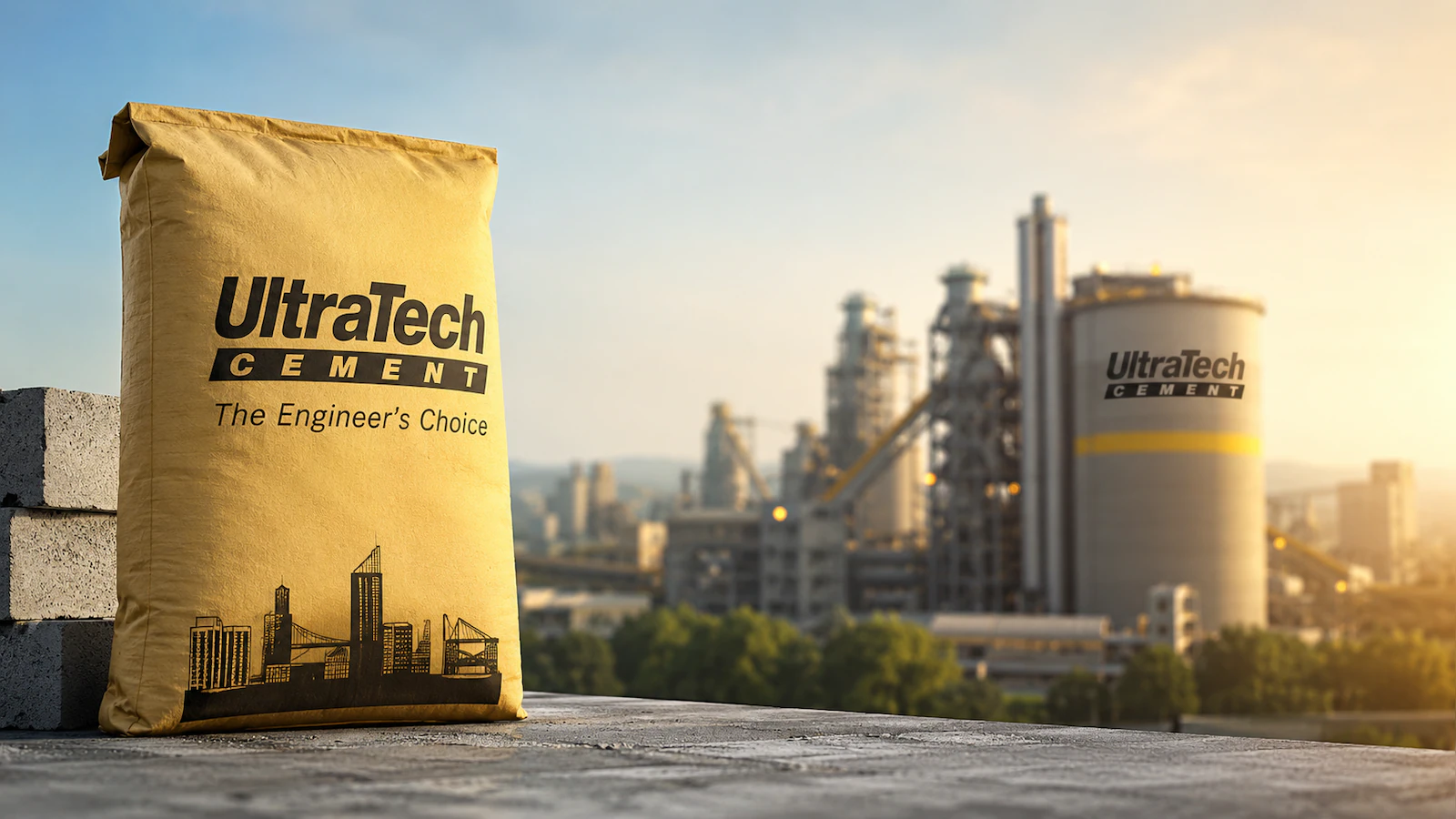
UltraTech Cement’s entry into the Leadership Group for Industry Transition (LeadIT) puts one of India’s largest building-material producers into a global platform focused on cutting emissions from heavy industry. Announced in New Delhi on 13 August, the move matters beyond the cement sector because the material is central to housing, transport networks and urban expansion, where construction demand is rising alongside pressure to reduce carbon emissions.

Cement is among the most carbon-intensive materials used in modern cities. Its emissions come not only from the energy required to run plants but also from the chemical process used to produce clinker, the key intermediate in cement manufacturing. That makes industrial decarbonisation more difficult than simply switching factories to renewable electricity. UltraTech’s current strategy includes greater use of renewable power, waste heat recovery, alternative fuels and materials, alongside efforts to develop lower-carbon products. Its global grey cement capacity stood at 205.5 million tonnes a year as of June 2026, according to company and credit-rating disclosures. The scale is significant for India’s construction economy. Cement demand is closely linked to roads, housing, commercial development and public infrastructure. Lower-emission production could therefore reduce the carbon intensity of future urban growth, but the benefits will depend on how quickly cleaner technologies become commercially viable and how widely they are adopted across the supply chain.

For developers and regulators, the issue also sits alongside the wider evolution of India’s built-environment rules. RERA, while primarily designed to improve transparency and protect homebuyers, does not itself prescribe cement-sector carbon targets. However, as energy performance, climate resilience and green-building requirements gain importance, the carbon footprint of construction materials is becoming a more relevant consideration for responsible project planning. LeadIT brings governments and businesses together to address emissions from energy-intensive industries. For cement producers, such cooperation can help accelerate technology development and create markets for lower-carbon materials. But international commitments alone cannot deliver cleaner cities; measurable emissions reductions, transparent reporting and commercially scalable solutions will determine their real impact.

UltraTech has already committed to the Global Cement and Concrete Association’s ambition of achieving carbon-neutral concrete by 2050. Its expanding production footprint means the transition will need to keep pace with growth. For India’s cities, the larger test is whether rising construction can be supported without locking new infrastructure and buildings into decades of avoidable carbon emissions.

Also Read: India Cement Price Pressure Tests Urban Construction
UltraTech Cement Joins Global Industrial Decarbonisation Drive
RELATED ARTICLES

LEAVE A REPLY

Please enter your comment!
Please enter your name here

- Advertisment -spot_img

Most Popular

Recent Comments

Berger Paints Recasts Colour For Changing Urban Lives

Berger Paints Recasts Colour For Changing Urban Lives

New Delhi: Berger Paints India has introduced a refreshed brand identity through its new Rang Bana Rahe campaign, shifting its communication from paint performance...
India Aluminium Prices Test Downstream Industry Margins

India Aluminium Prices Test Downstream Industry Margins

India’s aluminium market is facing a sharper cost squeeze as global supply risks, currency movements and energy expenses combine to push metal prices higher....
India Construction Boom Raises Demand for Cleaner Materials

India Construction Boom Raises Demand for Cleaner Materials

India’s construction economy is entering a new phase in which the scale of building activity is increasingly being matched by demands for speed, resource...
India Steel Prices Put RERA Projects Under Watch

India Steel Prices Put RERA Projects Under Watch

India’s steel market is showing a split pattern across major trading centres, with rebar and billet prices moving in different directions. Mumbai and Mandi...
India Steel Transition Needs Stronger MSME Support

India Steel Transition Needs Stronger MSME Support

India’s proposed ₹5,000-crore programme for sustainable secondary steel could become an important test of whether smaller manufacturers can participate in the country’s industrial decarbonisation...