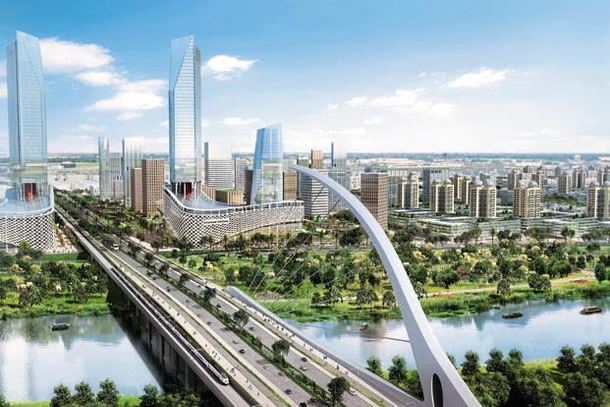
Amaravati RBI Facilities Push Capital City Development
A ₹780 crore construction contract for Reserve Bank of India facilities is set to add another institutional anchor to Amaravati, covering office infrastructure and staff housing in the new capital. The project comes as central and state-backed construction gathers pace across the city, increasing the need for coordinated transport, utilities and public services alongside government-led real estate development.
The contract has been awarded to NBCC, the state-owned construction and project management company, for works associated with the RBI’s presence in Amaravati. The investment is significant not only for the financial institution but also for the emerging employment and administrative ecosystem around the capital. The development follows a broader expansion of central government infrastructure in Amaravati. In June, the Union Cabinet approved ₹1,299 crore for a Central Government General Pool Office Accommodation complex and ₹1,234.91 crore for General Pool Residential Accommodation. The office facility is planned across 5.53 acres, while the residential project is intended to house central government employees close to their workplaces. The RBI’s own footprint is also taking shape. The Andhra Pradesh Capital Region Development Authority has completed a land agreement with the central bank for residential premises for its staff at Inavolu. Land has also been allotted for the RBI’s regional office at Nelapadu. For Amaravati, the concentration of institutional projects could help create a more stable employment base than housing-led expansion alone. Government offices bring workers, visitors and supporting services, generating demand for retail, hospitality, transport and other urban activities.
But the scale of construction also raises a more immediate planning issue. Office complexes and staff housing can function efficiently only when they are connected to reliable water, wastewater, power, public transport and road networks. Urban planners say synchronising these systems is particularly important in a greenfield capital, where infrastructure decisions made now can lock in travel patterns and resource consumption for decades. The environmental footprint of such development will also depend on how buildings are designed and operated. Energy-efficient buildings, renewable power integration, water recycling, shaded pedestrian routes and climate-resilient drainage can reduce future operating costs while making government districts more comfortable during extreme heat and heavy rainfall.
The project also has an economic dimension. Large public construction programmes generate demand for contractors, suppliers and skilled labour during the building phase. The Union Cabinet has estimated that the wider GPRA project alone could generate about 700,000 man-days of employment annually during construction, followed by around 50,000 man-days a year during operations. The ₹780 crore Amaravati RBI project therefore sits within a much larger transformation of the capital region. Its lasting value will depend less on the number of buildings delivered than on whether these institutional investments become part of a connected, resource-efficient and accessible city. For Amaravati RBI project planners, the next test is to ensure that construction progress is matched by civic infrastructure, mobility and climate resilience as the capital’s institutional footprint expands.