HomeLatestIndia Coal Stocks Buffer Summer Power Demand

India Coal Stocks Buffer Summer Power Demand

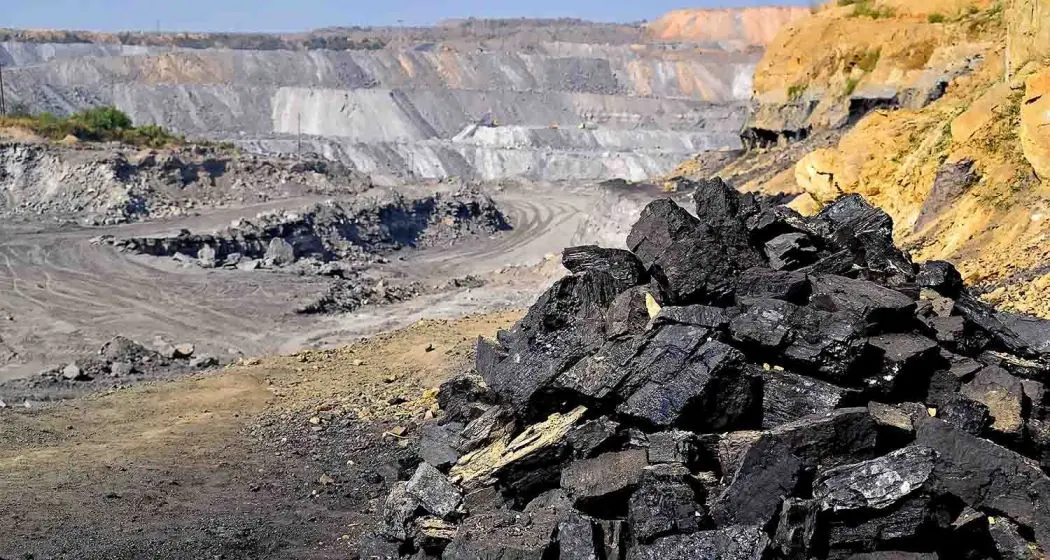
India has sufficient coal inventories at mines and power stations to meet rising electricity demand, according to government officials, offering short-term reassurance as summer temperatures drive higher cooling loads. The update places India coal stocks at the centre of the country’s annual balancing act between reliable power supply, industrial growth and the long-term shift toward cleaner energy systems. 

Officials said combined reserves across mines and thermal power plants stood at about 220 million tonnes, enough for roughly 24 days of power generation at prevailing consumption rates. The statement comes as electricity demand typically climbs sharply during hotter months when air-conditioner and fan usage accelerates across cities and industrial clusters. For urban India, the significance is immediate. Stable electricity supply underpins metro rail systems, hospitals, data centres, water pumping stations, commercial districts and residential cooling during heatwaves. Adequate India coal stocks can reduce the risk of shortages that previously triggered outages, emergency purchases and tariff pressure during peak seasons. Coal remains the backbone of India’s electricity system despite rapid renewable expansion. Government data cited publicly indicates coal-based capacity is close to 250 GW, while renewables account for a growing share of installed generation assets. Yet solar and wind variability means thermal plants continue to provide dependable baseload and balancing support when demand spikes after sunset or weather conditions weaken renewable output. 

The current comfort on stocks also reflects stronger domestic production. India crossed the one-billion-tonne coal output mark for the second consecutive year, a milestone officials have linked to improved mine productivity, captive block development and logistics coordination. Higher mine-end reserves and better rail movement have helped avoid the supply crunches seen in earlier years. However, larger stockpiles do not solve the structural challenge. Coal-heavy generation carries air pollution, water-use and carbon-emissions costs that fall disproportionately on mining regions and urban populations exposed to poor air quality. As cities face worsening heat stress, dependence on emissions-intensive power creates a policy contradiction: more cooling demand can drive more fossil generation unless cleaner capacity scales faster.Energy analysts argue that stock adequacy should be treated as an operational cushion, not a strategic endpoint. Grid-scale batteries, pumped hydro storage, stronger interstate transmission links, demand-response systems and energy-efficient buildings can gradually reduce the need for emergency coal ramp-ups. Better building design and district cooling could also lower summer demand growth in dense cities.

There is also an economic dimension. Reliable coal supply helps keep manufacturing output stable and protects infrastructure timelines dependent on continuous electricity. But prolonged reliance on thermal fuel can expose utilities to future carbon costs, pollution controls and financing constraints as global capital increasingly favours low-emission assets.For now, sufficient reserves lower the immediate risk of power stress during a critical season. But India’s bigger energy test remains unresolved: maintaining dependable electricity for a fast-urbanising economy while steadily reducing the fuels that make climate and air-quality pressures worse.

Also Read: India Met Coal Risk Clouds Steel Expansion

India Coal Stocks Buffer Summer Power Demand
RELATED ARTICLES

LEAVE A REPLY

Please enter your comment!
Please enter your name here

- Advertisment -spot_img

Most Popular

Recent Comments

India Cement Sector Turns Toward Wind Energy

India Cement Sector Turns Toward Wind Energy

India’s largest cement producer and its recently integrated subsidiary are expanding their reliance on renewable electricity through a new captive wind energy arrangement,signalling a...
Raheja District Wins Excellence In Township Award For 60 Acre Navi Mumbai Development

Raheja District Wins Excellence In Township Award For 60 Acre Navi Mumbai Development

As India’s urban centres continue to expand beyond traditional city cores, large-scale township developments are increasingly being assessed not only for their real estate...
BPTP Launches Downtown 66 Luxury Residences In Gurugram Sector 66

BPTP Launches Downtown 66 Luxury Residences In Gurugram Sector 66

A new residential development in Gurugram’s Sector 66 is drawing attention to the continued expansion of housing activity along the city's rapidly evolving growth...
Morningstar Leases 33000 Sq Ft Office Space At Wadhwa IT Park In Mumbai

Morningstar Leases 33000 Sq Ft Office Space At Wadhwa IT Park In Mumbai

A significant office leasing transaction in Mumbai has reinforced the city’s position as a preferred destination for global financial and technology-driven businesses. A leading...
Reliance Led Consortium Emerges Top Bidder For 101 Acre Juhu Galli Redevelopment Project

Reliance Led Consortium Emerges Top Bidder For 101 Acre Juhu Galli Redevelopment Project

One of Mumbai’s largest proposed informal settlement renewal initiatives has moved a step closer to implementation after a consortium led by a major corporate...