
HomeLatestIndia Met Coal Risk Clouds Steel Expansion

India Met Coal Risk Clouds Steel Expansion

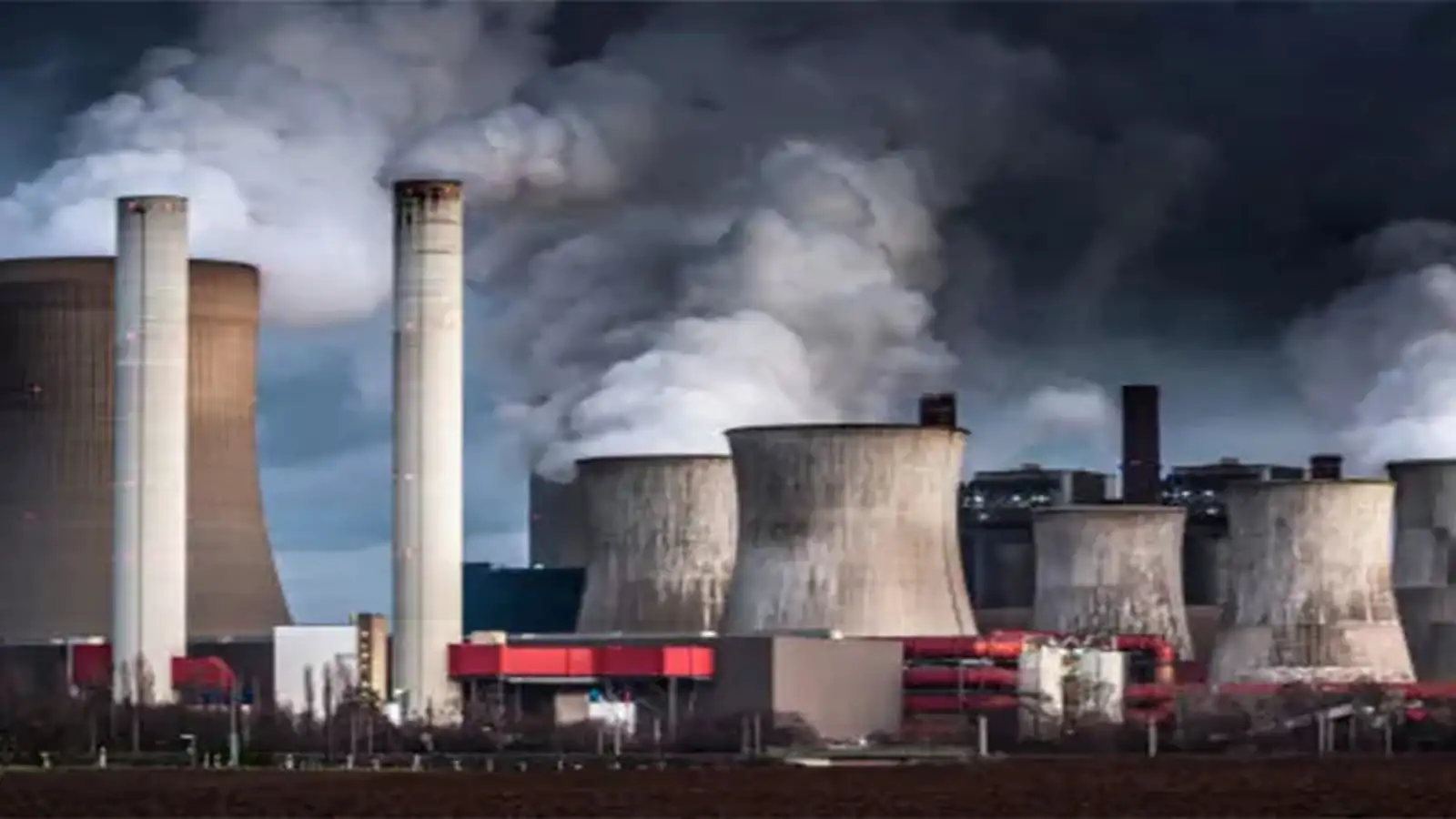
India’s growing purchases of metallurgical coal from the United States are unlikely to fully shield domestic steelmakers from volatile prices or supply disruptions, according to new industry analysis, underlining a strategic vulnerability in the country’s industrial growth story. The warning matters because met coal imports India remain essential to blast furnace steelmaking, which underpins housing, transport networks and large-scale infrastructure expansion. 

Metallurgical coal, also known as coking coal, is used to convert iron ore into steel in traditional blast furnaces. India imports roughly 90 per cent of its met coal needs, leaving producers exposed to overseas freight costs, weather shocks and geopolitical tensions. With the country targeting 300 million tonnes per annum of crude steel capacity by 2030, dependence on imported raw materials is set to deepen unless production technology shifts. Recent trade engagement with the United States has encouraged diversification away from Australia, historically the dominant supplier. However, analysts argue that changing origin alone does not remove risk. Global benchmark pricing remains closely linked to Australian supply conditions, meaning disruptions there can rapidly influence coal costs worldwide, including cargoes sourced from the US. That dynamic was visible earlier this year when flooding in Queensland, one of the world’s key exporting regions, pushed premium hard coking coal prices sharply higher. Such climate-linked disruptions are increasingly relevant for commodity markets dependent on a few concentrated geographies. For Indian steel producers, US supply also presents structural challenges. Shipping routes are longer, freight bills are higher, and export capacity from the US is limited compared with Australia.

Some Indian plants are also engineered around coal blends better suited to domestic and Australian grades, reducing flexibility to switch sources at scale. The implications extend beyond steel balance sheets. Steel is embedded in metro systems, bridges, renewable energy towers, industrial parks and urban housing. If raw material volatility persists, project costs may rise and infrastructure budgets could face renewed pressure. That makes met coal imports India not just a trade issue, but a city-building issue.The longer-term answer may lie in technology transition rather than supplier rotation. Analysts increasingly point to scrap-based electric arc furnaces, greater recycling and green hydrogen-based steelmaking as routes to reduce exposure to imported coal while cutting emissions. These pathways also align with India’s net-zero ambitions and the need for cleaner industrial growth. Yet such a transition will take time, capital and reliable renewable power. In the near term, diversified sourcing can still provide tactical relief, but it is unlikely to eliminate volatility. Steelmakers may instead need a broader resilience strategy spanning inventory planning, flexible procurement and energy efficiency.

For policymakers, the message is clear: building more steel capacity without securing cleaner and more predictable raw material systems could leave future infrastructure growth vulnerable to external shocks. India’s next phase of urbanisation may depend as much on industrial resilience as on demand itself.

Also Read: BCCL Coal Discounts Aim To Ease Power Costs

India Met Coal Risk Clouds Steel Expansion
RELATED ARTICLES

LEAVE A REPLY

Please enter your comment!
Please enter your name here

- Advertisment -spot_img

Most Popular

Recent Comments

India Construction Waste Crisis Demands Early Action

India Construction Waste Crisis Demands Early Action

As India accelerates infrastructure delivery and urban expansion,experts are calling for a fundamental shift in how the construction industry addresses material waste. The issue has...
India Construction Growth Climbs Global Rankings Fast

India Construction Growth Climbs Global Rankings Fast

India has strengthened its position as one of the world’s most influential construction markets,with its contribution to global building activity rising sharply amid sustained...
India Infrastructure Push Reshapes Future Urban Networks

India Infrastructure Push Reshapes Future Urban Networks

India is continuing to channel significant public investment into transport networks,industrial capabilities and advanced manufacturing as policymakers seek to sustain economic momentum while preparing...
KD Industries Merger Reflects Circular Economy Push

KD Industries Merger Reflects Circular Economy Push

A proposed corporate restructuring in India’s metal and manufacturing sector is drawing attention to the increasing role of sustainability led business models in industrial...
India Building Sector Adapts To Technology Shift

India Building Sector Adapts To Technology Shift

India’s construction sector is undergoing a significant structural shift as digital technologies, sustainability requirements and changing urban needs reshape how buildings and infrastructure are...