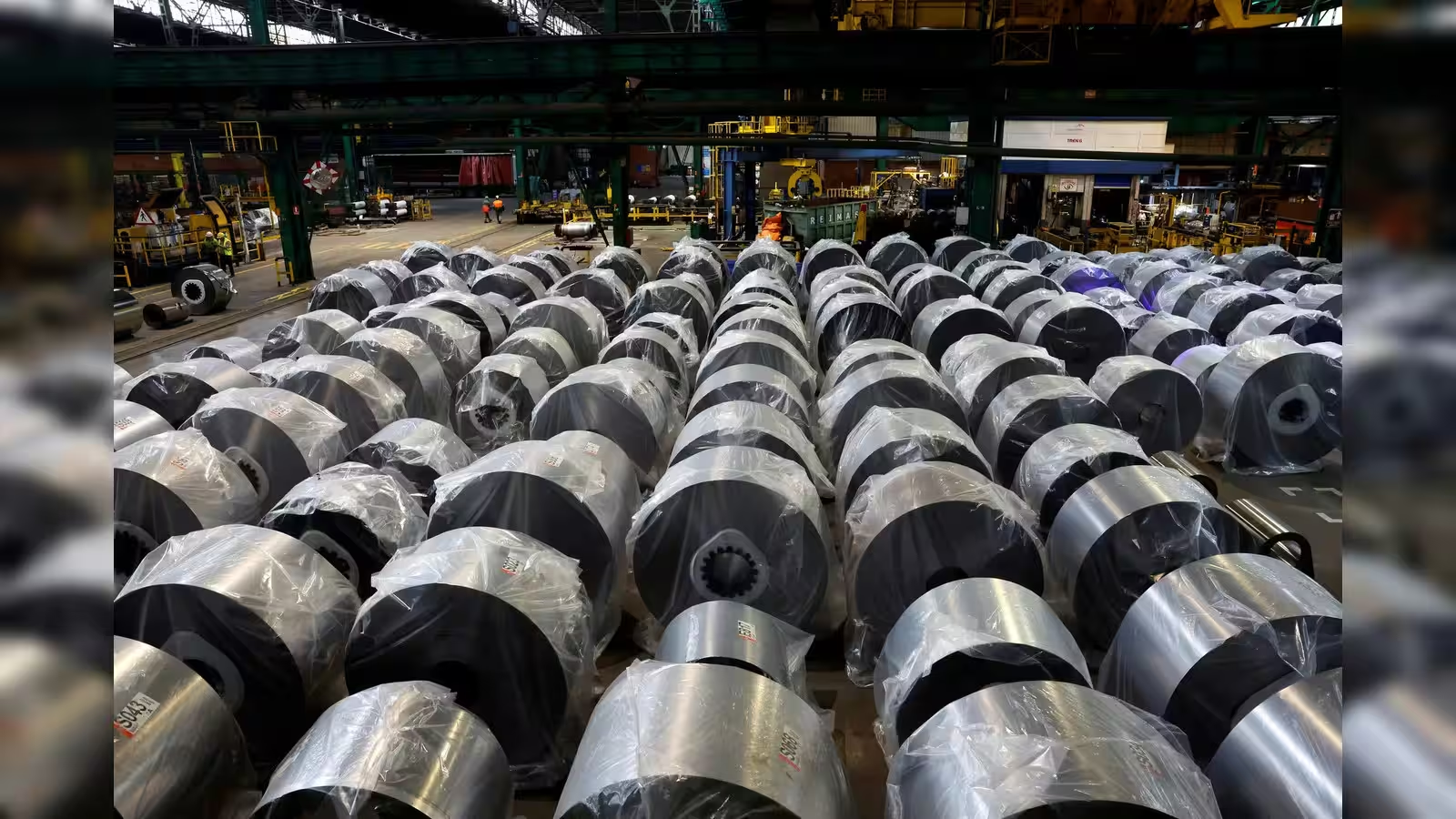
India’s steel market ended the week largely steady, but firm domestic costs and cautious overseas buying are keeping construction-linked businesses under pressure. The latest price signals matter beyond steel traders: builders, infrastructure contractors and public projects must manage material budgets carefully as higher input costs can affect housing affordability, project schedules and compliance with RERA commitments.
Domestic hot-rolled coil, or HRC, was assessed at around ₹58,100 per tonne ex-works Mumbai, while billet prices varied by location, including about ₹43,200 per tonne delivered in Mandi Gobindgarh, ₹42,800 ex-works Mumbai and ₹39,600 ex-works Raipur. Export markets remained less receptive, with Indian billet indications at about $470 per tonne FOB and HRC offers to Vietnam at $520–525 per tonne CFR. The gap between seller expectations and overseas buying interest suggests that exporters are facing resistance even as domestic prices remain comparatively firm. Buyers are therefore likely to continue placing orders selectively rather than building large inventories. For cities, the significance is larger than the daily movement in steel prices. Steel is a core input for housing, bridges, metro systems, commercial buildings and other urban infrastructure. Sustained cost pressure can eventually influence project feasibility, construction schedules and the price of new homes, particularly where developers have limited room to absorb higher expenses.
The RERA angle is also becoming important as construction budgets and delivery commitments increasingly intersect. The Real Estate (Regulation and Development) Act provides a framework for project registration, disclosures and delivery accountability. In cases where extraordinary events disrupt construction, Section 6 allows regulatory authorities to consider extensions in specified force-majeure circumstances. Recent government guidance has already highlighted the relevance of such provisions amid wider supply and cost disruptions. For developers, however, a stable steel market does not automatically remove cost risk. Energy prices, freight expenses, currency movements and the availability of other construction materials can continue to influence total project expenditure.
Industry assessments have also indicated that material prices remain a key factor in India’s construction-cost outlook. The immediate signal from steel is therefore one of caution rather than crisis. If prices remain elevated while demand for housing and infrastructure expands, project planners may need stronger procurement strategies, realistic cost buffers and closer monitoring of delivery schedules. For citizens, the priority remains predictable construction, timely handovers and urban growth that does not make essential housing and infrastructure progressively less affordable.