HomeReal EstateCommercialIndia Steel Transition Needs Stronger MSME Support

India Steel Transition Needs Stronger MSME Support

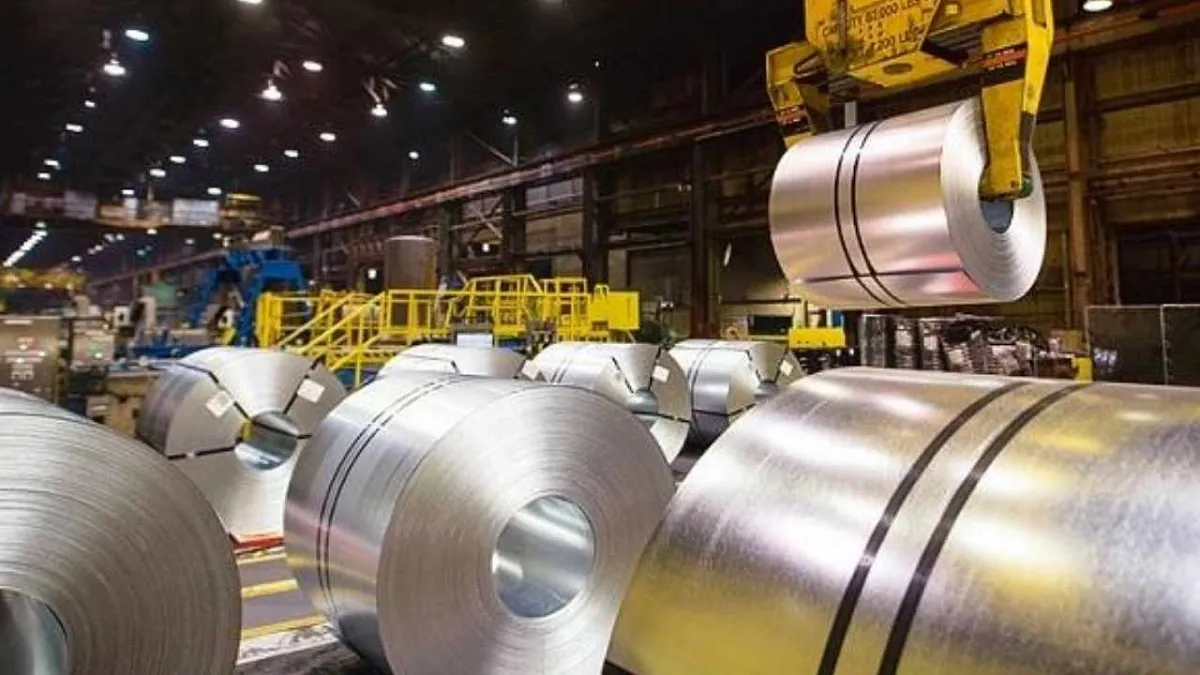
India’s proposed ₹5,000-crore programme for sustainable secondary steel could become an important test of whether smaller manufacturers can participate in the country’s industrial decarbonisation drive. The challenge extends beyond funding: many steel MSMEs also need technical expertise, project preparation and reliable financing structures to turn cleaner technology into commercially viable investments.

India’s secondary steel producers are particularly important because smaller units form a large part of domestic production and are spread across industrial clusters. Their transition could therefore affect not only national emissions but also employment, local manufacturing economies and the environmental performance of cities built around industrial activity. Experience from earlier energy-efficiency initiatives points to a recurring problem. Technologies capable of reducing energy consumption have been demonstrated, but adoption has often remained limited because enterprises struggle to prepare bankable projects, identify suitable equipment and secure affordable credit. For smaller manufacturers, the economics can be difficult. Working capital, production expansion and day-to-day operating costs usually compete with investments whose financial benefits may emerge gradually. Smaller project sizes and limited credit capacity can further discourage lenders.

This makes the design of the National Strategy for Sustainable Secondary Steel important. Rather than relying mainly on larger subsidies, a workable framework could combine project-development assistance, aggregated financing, risk-sharing mechanisms and technical guarantees. Such measures could reduce the transaction costs that often prevent smaller industrial units from accessing clean technology. The government’s ADEETIE scheme provides an existing model. Implemented through the Bureau of Energy Efficiency, it covers 60 clusters across 14 energy-intensive sectors, including steel re-rolling. The programme combines energy audits, project reports, technical handholding and interest support, with eligible projects required to demonstrate energy savings. However, the success of India’s green steel transition should not be judged simply by the number of projects approved. Actual technology installation, verified energy savings, production efficiency and equipment reliability will offer a clearer picture of whether public support is producing lasting change.

For industrial towns and urban regions dependent on steel manufacturing, that distinction matters. A transition that improves energy efficiency while protecting the viability of smaller enterprises can support cleaner production without shifting disproportionate economic pressure onto workers and local communities. The proposed strategy will ultimately need to bridge the gap between policy ambition and implementation capacity. Without stronger project preparation, finance and technical networks, even substantial public funding may struggle to deliver sustained emissions reductions.

Also Read: Jaipur Digidukan Funding Targets Construction Retail Growth
India Steel Transition Needs Stronger MSME Support
RELATED ARTICLES

LEAVE A REPLY

Please enter your comment!
Please enter your name here

- Advertisment -spot_img

Most Popular

Recent Comments

India Steel Boom Redraws The Raw Material Map

India Steel Boom Redraws The Raw Material Map

India’s accelerating steel capacity build-out is beginning to reshape international trade in coking coal and metallurgical coke, with overseas supplies becoming increasingly important to...

Delhi NCR Home Prices Reach New Q3 Highs

Delhi NCR Home Prices Reach New Q3 Highs

Delhi-NCR has emerged as India’s fastest-rising major housing market by average primary-market prices, with values climbing 12% year on year in the July-September quarter....

India Housing Boom Could Reshape Daily City Life

India Housing Boom Could Reshape Daily City Life

India’s next phase of housing growth is likely to be shaped not only by new homes, but by how easily residents can access work,...

Karnataka Logistics Growth Gets Fresh Leadership Push

Karnataka Logistics Growth Gets Fresh Leadership Push

Karnataka’s industrial and logistics property market is getting a new leadership focus as a senior real estate professional takes charge of industrial, land and...

Kolkata Real Estate Sector Faces Skills Challenge

Kolkata Real Estate Sector Faces Skills Challenge

India’s real estate industry is seeking a larger place in economic policymaking as its market expands and construction activity supports millions of jobs. The...