HomeLatestIndia Steel Projects Enter a Higher Risk Cycle

India Steel Projects Enter a Higher Risk Cycle

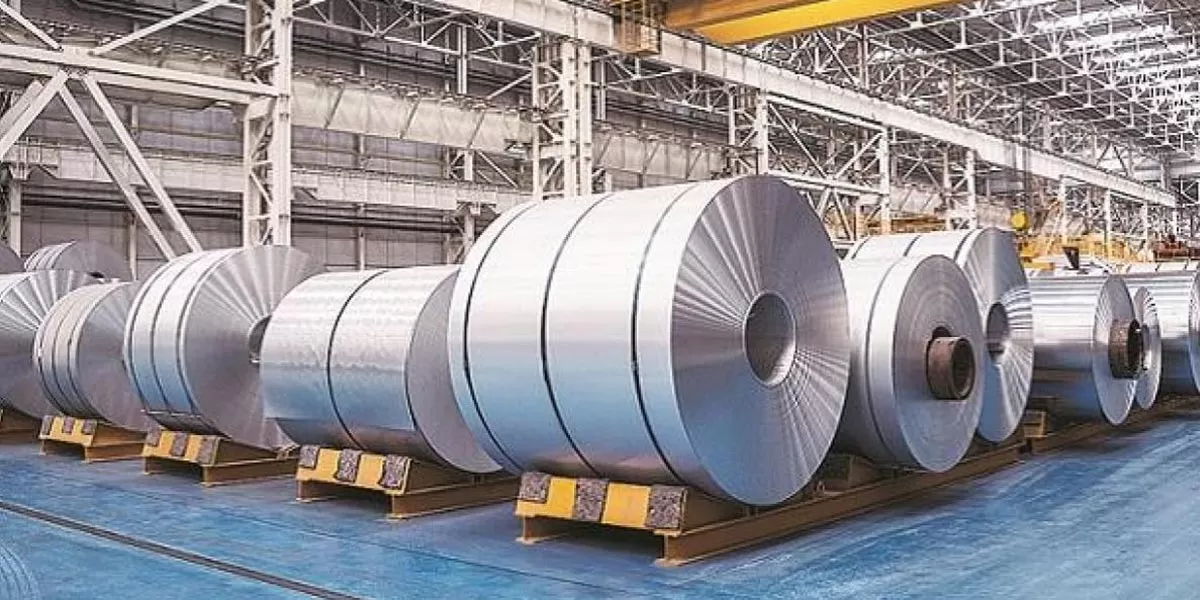
India’s steel industry is entering a more demanding investment phase as producers pursue capacity additions, overseas ventures, raw material integration and cleaner production. The shift could strengthen long term supply security, but higher capital requirements and project-execution risks may put pressure on earnings and cash flows over the next 12–18 months.

The change comes as steelmakers respond to sharply different market conditions across regions. India continues to offer relatively strong demand prospects, supported by spending on roads, railways and other infrastructure. ICRA expects domestic steel demand to grow 9–10% in FY27, although rising coking-coal and iron-ore costs could limit the improvement in profitability.
For Indian producers, the investment case is therefore becoming more complex. New furnaces, downstream facilities and joint ventures can create additional capacity and improve market reach, but they also require large upfront spending before generating returns. Delays in land acquisition, environmental approvals, equipment delivery or commissioning can further extend the period during which companies carry investment costs without corresponding revenue.The international picture adds another layer.

Asian steelmakers are increasingly using acquisitions and partnerships to gain access to faster-growing markets, including the US and India. Such arrangements can spread investment risk, but they can also introduce organisational complexity and make financial performance harder to assess at group level.Raw-material security is becoming equally important. Upstream investments in iron ore and other inputs can reduce exposure to volatile spot markets, but they also leave producers more exposed to commodity cycles and geopolitical disruptions. For India, where steel demand is closely connected to infrastructure and construction, supply reliability has direct implications for project costs and delivery schedules.Decarbonisation is adding a different kind of capital challenge. Steel remains one of the most carbon-intensive industrial materials, while emerging trade rules are increasingly linking market access with emissions performance. Europe’s Carbon Border Adjustment Mechanism has been in force since January 2026, increasing the commercial importance of lower-carbon production for exporters.This creates a difficult balance. Companies must invest enough to modernise plants and reduce emissions, but excessive spending can weaken free cash flow and raise financial risk.

Global steelmakers are consequently weighing where capital can generate durable returns against projects driven primarily by regulatory or environmental requirements.For India, the stakes extend beyond corporate balance sheets. Steel is embedded in housing, transport, industrial construction and public infrastructure. India steel investment that is delayed or poorly executed can raise project costs, while poorly targeted capacity can increase financial and environmental burdens.The next phase of India steel investment will therefore be judged less by announced capacity than by delivery discipline, capital efficiency and emissions performance. Turning planned projects into reliable, cleaner production will be critical if the country is to expand infrastructure without creating avoidable financial and climate risks.

Also Read : India Secondary Steel MSMEs Face Green Power Shift
India Steel Projects Enter a Higher Risk Cycle
RELATED ARTICLES

LEAVE A REPLY

Please enter your comment!
Please enter your name here

- Advertisment -spot_img

Most Popular

Recent Comments

India Paint Sector Pricing Plans Face Input Pressure

India Paint Sector Pricing Plans Face Input Pressure

Berger Paints is assessing another round of price increases if a fresh duty is imposed on imported titanium dioxide, a key pigment used to...
Jindal Stainless Growth Highlights Changing Steel Demand

Jindal Stainless Growth Highlights Changing Steel Demand

Jindal Stainless closed FY26 with a stronger financial performance, as consolidated profit after tax rose 27.4% to ₹3,185 crore and EBITDA increased 19.2%. The...
Mahamaya Steel Results Point To Infrastructure Support

Mahamaya Steel Results Point To Infrastructure Support

Mahamaya Steel Industries has reported a 29% year on year increase in consolidated net profit for the June 2026 quarter, signalling stronger earnings even...
India Secondary Steel MSMEs Face Green Power Shift

India Secondary Steel MSMEs Face Green Power Shift

India’s fragmented secondary steel industry could significantly reduce energy costs and emissions by shifting towards renewable electricity, according to a new sector assessment. The...
Hemadri Cements Faces Fresh Pressure On Earnings

Hemadri Cements Faces Fresh Pressure On Earnings

Hemadri Cements has reported a sharp deterioration in its financial position for the quarter ended June 30, with its net loss widening to ₹60.08...