HomeLatestMax Estates Expands Clean Energy At Noida Hub

Max Estates Expands Clean Energy At Noida Hub

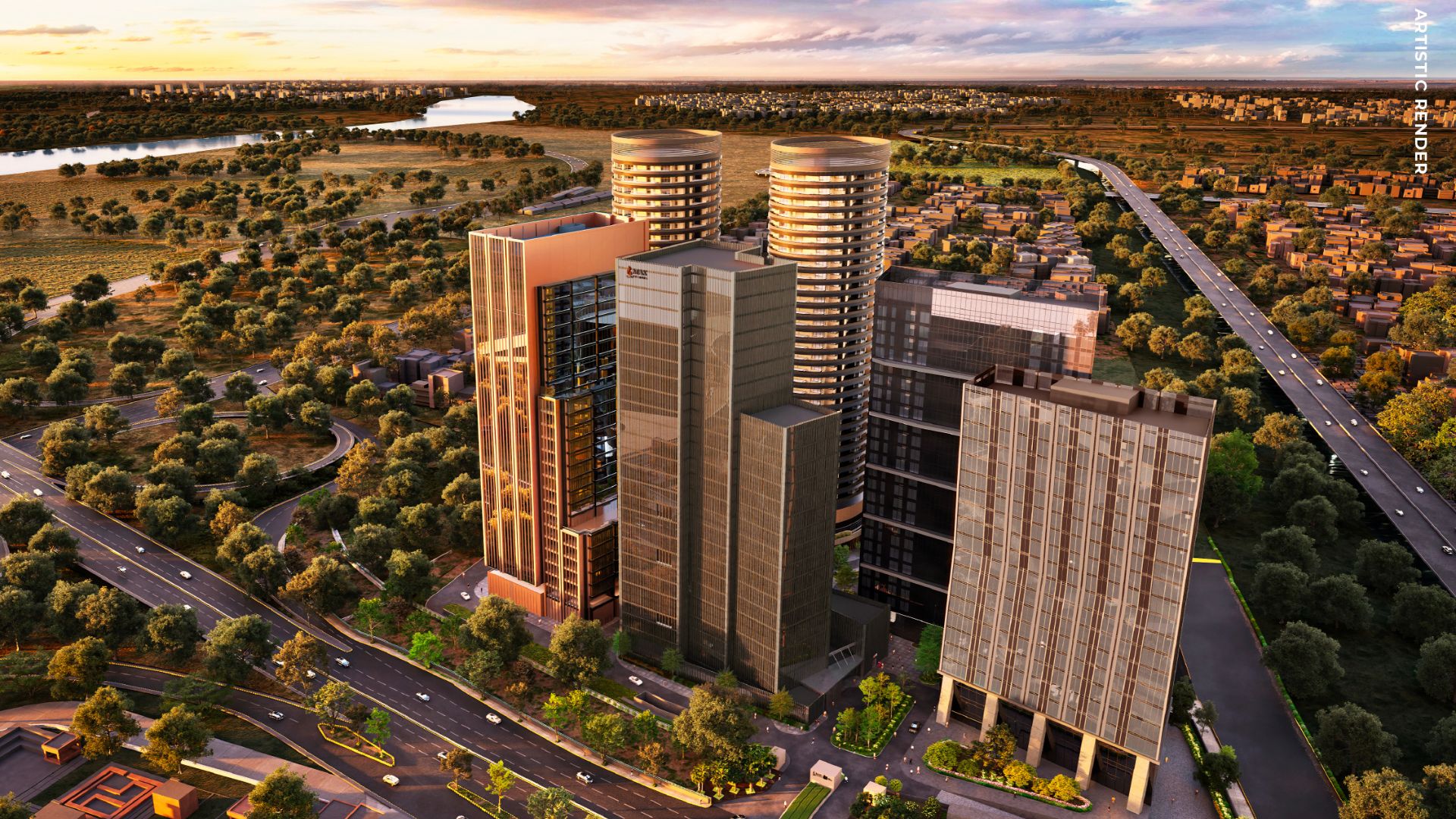
A growing number of office developments in Noida are moving towards renewable energy integration as commercial real estate firms respond to rising electricity costs, climate pressures and changing tenant expectations. In the latest such move, a major office project in Sector 129 has begun sourcing solar power as part of a wider strategy to reduce dependence on conventional energy and improve long-term operational efficiency.

The transition is being implemented at a premium office campus along the Noida Expressway, where developers have initiated renewable power procurement to support daily energy requirements. Industry observers say the move reflects how commercial real estate in Delhi NCR is increasingly treating energy transition not as a branding exercise, but as an operational necessity tied to occupancy demand, investor scrutiny and future regulatory frameworks. According to company estimates shared through public disclosures, the shift towards solar energy could lower annual carbon emissions at the office complex by up to 6,000 tonnes of carbon dioxide equivalent. The initiative is also expected to reduce electricity expenditure for occupiers by nearly a quarter, depending on prevailing grid tariffs and energy consumption patterns.

Urban planners note that office buildings remain among the largest consumers of electricity in rapidly expanding metropolitan regions. Cooling systems, lighting infrastructure and data-intensive workplace operations place significant pressure on urban power networks, particularly during peak summer months. Renewable integration within commercial assets can therefore help cities moderate energy demand while supporting broader decarbonisation targets.The development comes at a time when India’s office sector is witnessing rising pressure from institutional investors and multinational occupiers to demonstrate measurable environmental performance. Sustainability-linked leasing requirements, green building certifications and ESG reporting standards are increasingly influencing where companies choose to establish offices. Analysts tracking the sector say renewable energy adoption is gradually becoming a baseline expectation in Grade A commercial developments across NCR, Bengaluru, Hyderabad and Mumbai. Experts in urban infrastructure also argue that cleaner energy adoption within commercial real estate carries implications beyond corporate sustainability metrics. Reduced dependence on fossil-fuel-based electricity can improve urban air quality outcomes, ease transmission stress during peak demand periods and contribute towards more climate-resilient city systems.

However, they caution that isolated project-level transitions alone will not significantly alter urban emissions unless accompanied by wider grid reforms and stronger distributed renewable infrastructure.The company behind the project has publicly stated a target of sourcing half of its overall energy consumption from renewable sources by 2030. The roadmap aligns with India’s broader clean energy ambitions, which seek to substantially expand the share of renewables in national energy use over the coming decade. Real estate consultants believe such measures could increasingly influence property valuations and tenant retention in competitive office markets. As hybrid work stabilises and occupiers become more selective about workplace environments, energy-efficient and lower-carbon buildings may gain an advantage over conventional commercial stock.For rapidly urbanising regions like Noida, the larger challenge now lies in scaling these efforts beyond isolated developments and embedding renewable infrastructure into mainstream urban planning and commercial growth strategies.

Also Read : Nimbus Noida Project Pushes Automated Construction
Max Estates Expands Clean Energy At Noida Hub
RELATED ARTICLES

LEAVE A REPLY

Please enter your comment!
Please enter your name here

- Advertisment -spot_img

Most Popular

Recent Comments

Dharavi Housing Claims Depend On Ground Units

Dharavi Housing Claims Depend On Ground Units

Mumbai’s ambitious Dharavi redevelopment programme has introduced a stricter framework for determining rehabilitation benefits for residents living on upper floors, placing significant emphasis on...
Godrej Properties Drives Consolidation Across Cities

Godrej Properties Drives Consolidation Across Cities

India’s urban real estate sector is witnessing a decisive shift towards consolidation, with publicly listed developers tightening control over land acquisition across major cities...
India Steel Ministry defers global industry conference

India Steel Ministry defers global industry conference

A planned international conference organised by India’s Ministry of Steel has been deferred, signalling how global geopolitical disruptions are increasingly influencing domestic industrial planning....
Thyssenkrupp Jindal talks pause amid steel crisis

Thyssenkrupp Jindal talks pause amid steel crisis

A planned transaction between Thyssenkrupp AG and Jindal Steel International has been put on hold, underscoring mounting pressures on the global steel industry as...
ArcelorMittal Nippon Steel chairman invests in Rajasthan Royals

ArcelorMittal Nippon Steel chairman invests in Rajasthan Royals

A major ownership shift in India’s sports economy is underway as a consortium led by ArcelorMittal chairman Lakshmi Mittal moves to acquire the Indian...