HomeLatestRadisson Hotel Group Expands Across Emerging Indian Cities

Radisson Hotel Group Expands Across Emerging Indian Cities

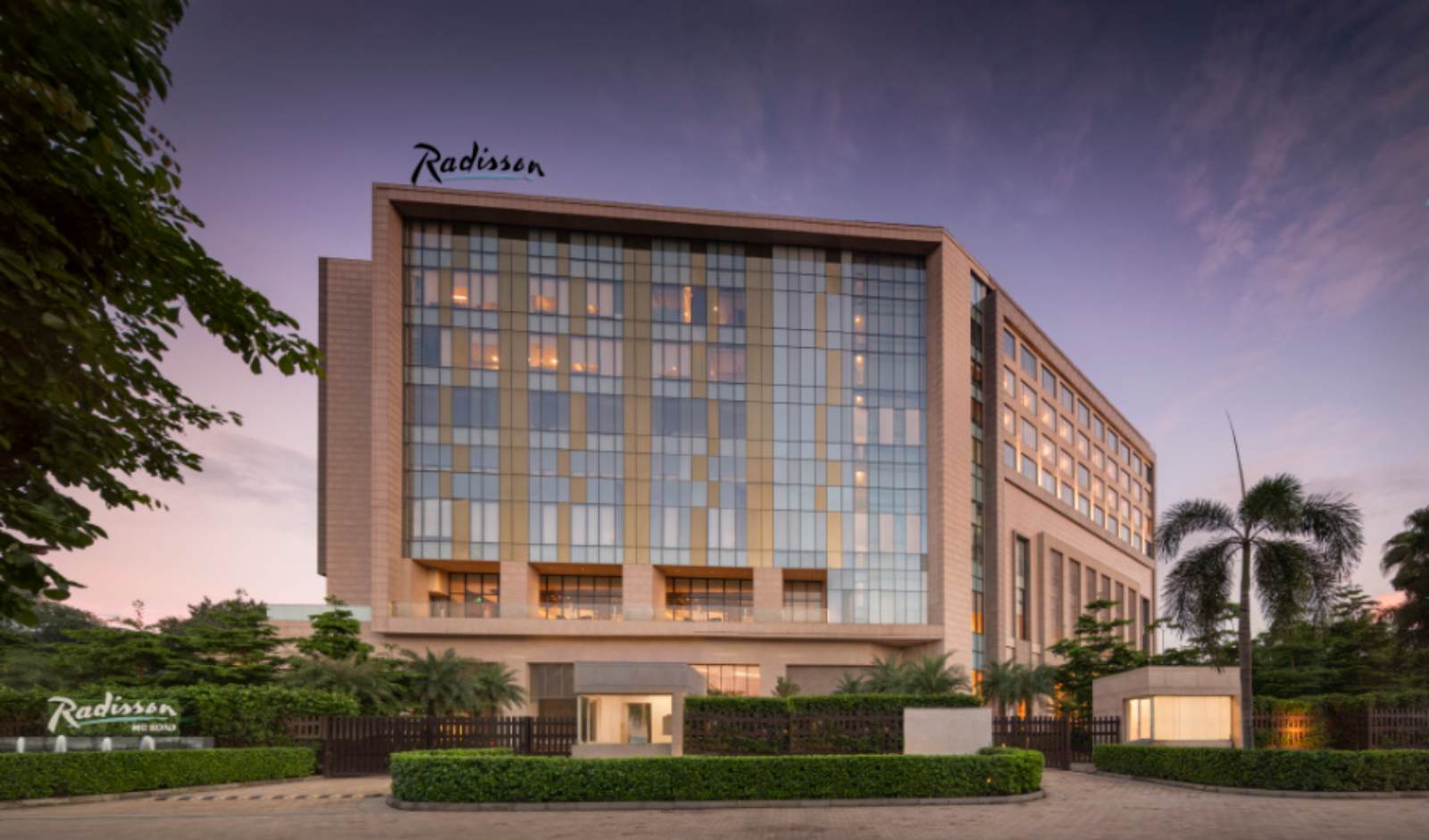
Radisson Hotel Group is intensifying its expansion strategy across India with a long-term goal of building a portfolio of 500 hotels by 2030, placing greater emphasis on tier-II, tier-III and emerging urban centres. The move reflects shifting investment patterns in the hospitality sector, where improving infrastructure and rising domestic travel are creating new opportunities beyond the country’s metropolitan markets.

The expansion of Radisson India hotels signals a broader transformation in India’s hospitality landscape. Hotel development is increasingly following infrastructure-led urbanisation rather than concentrating solely in established tourism destinations. Improved highways, regional airports, industrial corridors and religious tourism circuits have expanded the commercial viability of smaller cities, encouraging hospitality operators to establish a presence in locations that previously received limited institutional investment. Industry analysts note that domestic tourism has become the principal driver of India’s hotel sector. Rising household incomes, greater mobility and stronger business travel have fuelled demand for accommodation across leisure, pilgrimage, healthcare and industrial destinations. As a result, developers are aligning hospitality investments with regional economic growth instead of relying predominantly on international tourist arrivals.

The proposed expansion of Radisson India hotels also carries wider implications for urban economies. Hotel projects generate employment across construction, hospitality operations, facility management, transport, food services and local supply chains. They also stimulate demand for retail businesses, cultural tourism and neighbourhood services, creating multiplier effects that strengthen regional economic development. Urban planners, however, stress that hospitality growth should be supported by coordinated public infrastructure. Expanding hotel capacity requires reliable road connectivity, public transport, water supply, sanitation, electricity and digital infrastructure. Without parallel investments in civic services, rapid tourism-driven development could strain municipal resources and reduce long-term urban resilience. Environmental sustainability is becoming increasingly important as hospitality networks expand into environmentally sensitive and rapidly urbanising regions. Experts recommend integrating green building standards, renewable energy systems, rainwater harvesting, wastewater recycling and climate-responsive design into future hotel developments. Such measures can reduce operational costs while supporting India’s broader climate and resource-efficiency goals.

The hospitality industry’s geographic diversification also reflects changing patterns in commercial real estate investment. Institutional capital is increasingly targeting secondary cities where land availability, infrastructure improvements and economic activity offer long-term growth potential. This trend is encouraging mixed-use developments that combine hotels with office spaces, retail facilities and convention centres, creating integrated urban destinations. Market observers believe that regional hospitality expansion can also improve accessibility for business travellers and tourists by reducing pressure on traditional metropolitan accommodation markets. However, balanced growth will require careful land-use planning to preserve local ecosystems, cultural heritage and community interests while accommodating rising visitor demand. As Radisson India hotels continue expanding across emerging urban centres, the long-term success of this strategy will depend not only on occupancy levels but also on how effectively hospitality investments contribute to sustainable city-building. Integrating tourism infrastructure with resilient transport systems, environmental safeguards and inclusive economic development will be essential if India’s next phase of hotel growth is to deliver lasting benefits for both cities and local communities.

Also Read: Chennai Thirumazhisai Emerges As Residential Growth Hub
Radisson Hotel Group Expands Across Emerging Indian Cities
RELATED ARTICLES

LEAVE A REPLY

Please enter your comment!
Please enter your name here

- Advertisment -spot_img

Most Popular

Recent Comments

Crafting The Modern Bungalow In A Rural Setting

Bungalow Forty-Five A Modern Bungalow Redefining Rural Living Nestled in the serene village of Sersa, Kundli district, Sonipat, Delhi NCR, Bungalow Forty-Five by rat Studio...
Chennai Thirumazhisai Emerges As Residential Growth Hub

Chennai Thirumazhisai Emerges As Residential Growth Hub

Chennai's western residential corridor is witnessing renewed momentum as a housing project in Thirumazhisai secured more than 250 home reservations during its pre-launch phase....
SPR India Expands Chennai Commercial Real Estate

SPR India Expands Chennai Commercial Real Estate

Chennai's commercial real estate market is expanding beyond its established business districts as SPR India launches a new office development in Perambur aimed at...
M3M India Expands Commercial Footprint In Gurugram

M3M India Expands Commercial Footprint In Gurugram

Commercial real estate activity along the Dwarka Expressway corridor is gathering fresh momentum as M3M India plans to invest around ₹600 crore in a...
Trehan Iris Plans Premium Residential Community In Gurugram

Trehan Iris Plans Premium Residential Community In Gurugram

Gurugram's premium residential market is set for another major investment cycle, with a new luxury housing development expected to attract nearly ₹1,300 crore in...