

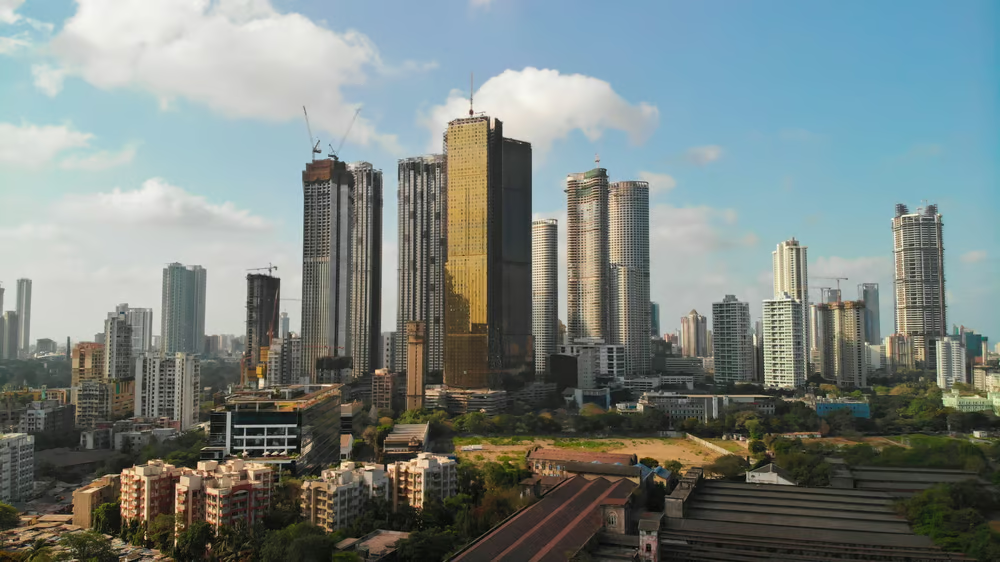
The Mumbai Metropolitan Region (MMR) is on the cusp of a vertical expansion surge, with a projected 34% increase in skyscrapers by 2030, according to a report by Anarock. Known for its dense population and limited land availability, MMR has embraced high-rise development as a solution to its space constraints. By 2023, 154 high-rise towers—each exceeding 40 floors—were completed, and an additional 207 skyscrapers are anticipated to be finished by 2030, showcasing the region’s steady climb in vertical real estate.
This trend contrasts with other Indian cities, where the demand for high-rise living has dwindled post-pandemic. Yet, MMR continues to favour towering structures as a symbol of the city’s economic vitality. The real estate consultant involved in the report noted that “skyscrapers are now synonymous with Mumbai’s skyline, signifying the city’s limited land resources and its growing population.” The city’s Floor Space Index (FSI) rules, allowing higher construction densities, coupled with reduced FSI premiums in 2019, have been pivotal in driving this skyscraper boom. Developers, encouraged by lower input costs and strong demand, have aggressively pursued high-rise projects.
By 2030, MMR will host a total of 361 skyscrapers over 40 floors. South Central Mumbai leads the way, with 103 towers (61 completed and 42 set to finish by 2030), while the central suburbs follow with 87 high-rises. The western suburbs, with 80 towers, and emerging hubs like Thane and Navi Mumbai, have also joined the trend. Thane, in particular, has seen a rapid adoption of the high-rise model with 61 towers in progress, of which only two have been completed so far.
The skyscraper surge also highlights a broader conversation around sustainable urban development. While these towering structures address housing demands, they present unique challenges in terms of environmental impact. High-rise buildings typically require greater energy consumption for elevators, lighting, and air conditioning, making it crucial to incorporate green building practices. Developers in MMR must now focus on integrating energy-efficient designs, solar panels, and rainwater harvesting systems to align with sustainability goals. On a civic front, the vertical growth of MMR raises concerns about the region’s infrastructure capacity, from traffic management to water and power supply. As these skyscrapers reshape Mumbai’s skyline, it becomes essential for authorities to strengthen urban planning strategies, ensuring that essential services keep pace with the booming vertical real estate market. The region’s future success depends on balancing rapid development with sustainable growth to create livable and resilient urban spaces.




