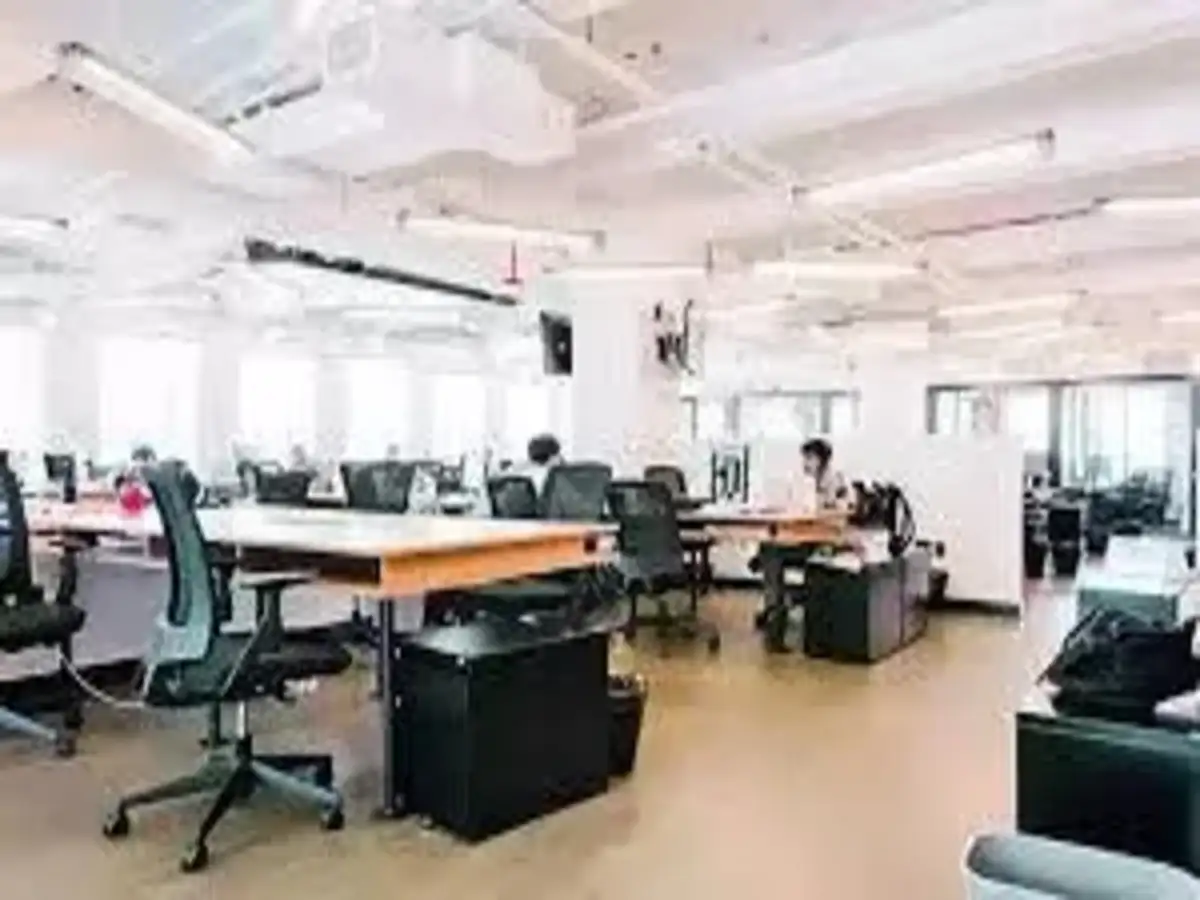
India’s flexible office market continues to scale rapidly as workspace provider 91Springboard has secured around one lakh sq ft of new office space across Mumbai and Gurugram. The company confirmed that both facilities will be operational by the next quarter and are intended to support the growing footprint of Global Capability Centres (GCCs), large corporates, MSMEs, and late-stage start-ups seeking adaptable and well-connected work environments. The expansion comes at a time when demand for managed and sustainable workspace solutions is rising across major Indian cities.
Of the newly leased footprint, approximately 40,000 sq ft is located at Hiranandani Business Park in Andheri East, one of Mumbai’s established commercial clusters with strong public transport connectivity. The remaining 60,000 sq ft is housed within DLF World Trade Park in Gurugram, situated along the NH-48 corridor and surrounded by a growing ecosystem of technology, consulting and enterprise firms. Both Grade A properties have been curated to offer energy-efficient building systems, collaborative zones, and improved access to public transit aspects that industry experts say are increasingly defining tenant preferences in Indian metro business districts.With these additions, 91Springboard has already expanded its national portfolio by over half a million sq ft in the 2025 calendar year and plans to add another million sq ft by the end of the fiscal. The company has also launched ten new hubs this year, extending its reach across Mumbai, Delhi, Pune, Gurugram and Chennai. According to senior officials, the emphasis is on locations where businesses can reduce commute time, optimise operational costs and strengthen workplace well-being priorities closely aligned with India’s broader agenda of building more inclusive and low-carbon urban business ecosystems.
The Mumbai and Gurugram centres join a network of 43 hubs that now span Bengaluru, Goa, Hyderabad, Noida and other major cities. Industry analysts say this distributed portfolio has enabled flexible workspace providers to attract a wider range of occupiers, particularly firms transitioning from traditional leases to hybrid models. Such spaces often promote more sustainable real estate consumption by reducing underutilised floor area and supporting shared infrastructure, which can lower carbon intensity per employee.India’s coworking market has also emerged as the most mature globally, according to recent industry assessments, outperforming established markets such as the UK, France, Japan and the United States. Analysts attribute this growth to India’s expanding GCC ecosystem, cost competitiveness, and a shift towards managed workplaces that offer operational resilience and a sense of community features that are increasingly valued by both corporations and employees navigating hybrid work expectations.
For cities such as Mumbai and Gurugram, the continued expansion of flexible offices supports wider urban goals: enabling women, young professionals, and small enterprises to access workspace closer to home, reducing commute burdens, and promoting more equitable participation in urban economies. As India’s office market evolves, the next phase of growth will likely hinge on how workspace providers integrate energy-efficient systems, transit-oriented development and inclusive design to meet the expectations of a diversifying workforce.
Mumbai Gurugram See One Lakh Sq Ft New Flexible Workspace Expansion By 91Springboard