HomeLatestMumbai Sixty3 WE Bizpark Signals Market Shift

Mumbai Sixty3 WE Bizpark Signals Market Shift

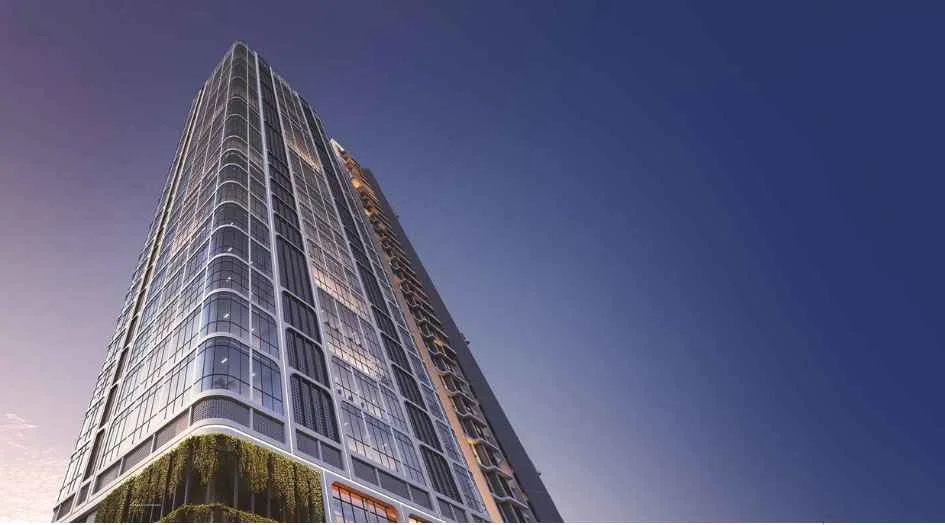
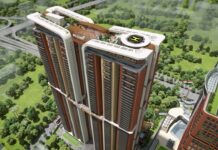
Mumbai’s western suburbs are witnessing a gradual reshaping of their commercial geography, with a new commercial real estate development in Goregaon East indicating a shift away from traditionally saturated business districts. A recently announced mixed-use office tower along the Western Express Highway underscores how infrastructure-led growth is influencing corporate location strategies and urban expansion patterns.

The project introduces a mid-to-large format office tower combined with high-street retail at street level, reflecting a broader trend towards integrated business environments. Urban planners note that such formats aim to reduce commute dependency by placing workplaces closer to services, retail, and residential clusters an approach increasingly relevant in a city grappling with congestion and rising commute times. Goregaon East has steadily evolved into a strategic node due to its multimodal connectivity. With access to suburban rail, metro corridors, and arterial road networks, the micro-market is drawing attention from companies seeking cost efficiencies without sacrificing accessibility. Industry observers suggest that rental arbitrage compared to established districts such as Bandra Kurla Complex and Andheri is a key driver behind this migration.

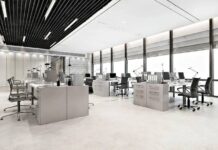
The emergence of another commercial real estate development in Goregaon East also reflects how infrastructure investments are shaping land value and development intensity. Upcoming projects like the Goregaon-Mulund Link Road and northern extensions of the coastal road are expected to further reduce travel times across the metropolitan region. However, urban experts caution that such growth must be accompanied by adequate public transport capacity, pedestrian infrastructure, and environmental safeguards. Mixed-use developments, particularly those integrating retail boulevards with office spaces, are increasingly seen as tools to activate street life and improve urban safety. Yet, questions remain about their long-term sustainability. High glass façade buildings, while visually appealing, often raise concerns about energy consumption and heat gain unless paired with climate-responsive design strategies. From an economic standpoint, the addition of flexible office units is likely to cater to a wide spectrum of occupiers from startups to mid-sized enterprises mirroring the diversification of Mumbai’s business ecosystem.

Analysts indicate that decentralised commercial hubs can support more equitable job distribution across the city, potentially easing pressure on overburdened central business districts.At the same time, the pace of such developments raises important governance questions. Experts emphasise the need for stronger alignment with environmental norms, water management systems, and green building certifications to ensure that growth does not come at the cost of long-term urban resilience. As Mumbai continues to expand outward, the rise of nodes like Goregaon East highlights a critical transition in its urban form. Whether this shift results in a more balanced, accessible, and sustainable city will depend on how future commercial real estate development in Goregaon East integrates with broader planning frameworks and citizen needs.

Also Read : Mumbai Real Estate Cycle Tilts Toward Affordable Housing
Mumbai Sixty3 WE Bizpark Signals Market Shift
RELATED ARTICLES

LEAVE A REPLY

Please enter your comment!
Please enter your name here

- Advertisment -spot_img

Most Popular

Recent Comments

India Construction Waste Crisis Demands Early Action

India Construction Waste Crisis Demands Early Action

As India accelerates infrastructure delivery and urban expansion,experts are calling for a fundamental shift in how the construction industry addresses material waste. The issue has...
India Construction Growth Climbs Global Rankings Fast

India Construction Growth Climbs Global Rankings Fast

India has strengthened its position as one of the world’s most influential construction markets,with its contribution to global building activity rising sharply amid sustained...
India Infrastructure Push Reshapes Future Urban Networks

India Infrastructure Push Reshapes Future Urban Networks

India is continuing to channel significant public investment into transport networks,industrial capabilities and advanced manufacturing as policymakers seek to sustain economic momentum while preparing...
KD Industries Merger Reflects Circular Economy Push

KD Industries Merger Reflects Circular Economy Push

A proposed corporate restructuring in India’s metal and manufacturing sector is drawing attention to the increasing role of sustainability led business models in industrial...
India Building Sector Adapts To Technology Shift

India Building Sector Adapts To Technology Shift

India’s construction sector is undergoing a significant structural shift as digital technologies, sustainability requirements and changing urban needs reshape how buildings and infrastructure are...