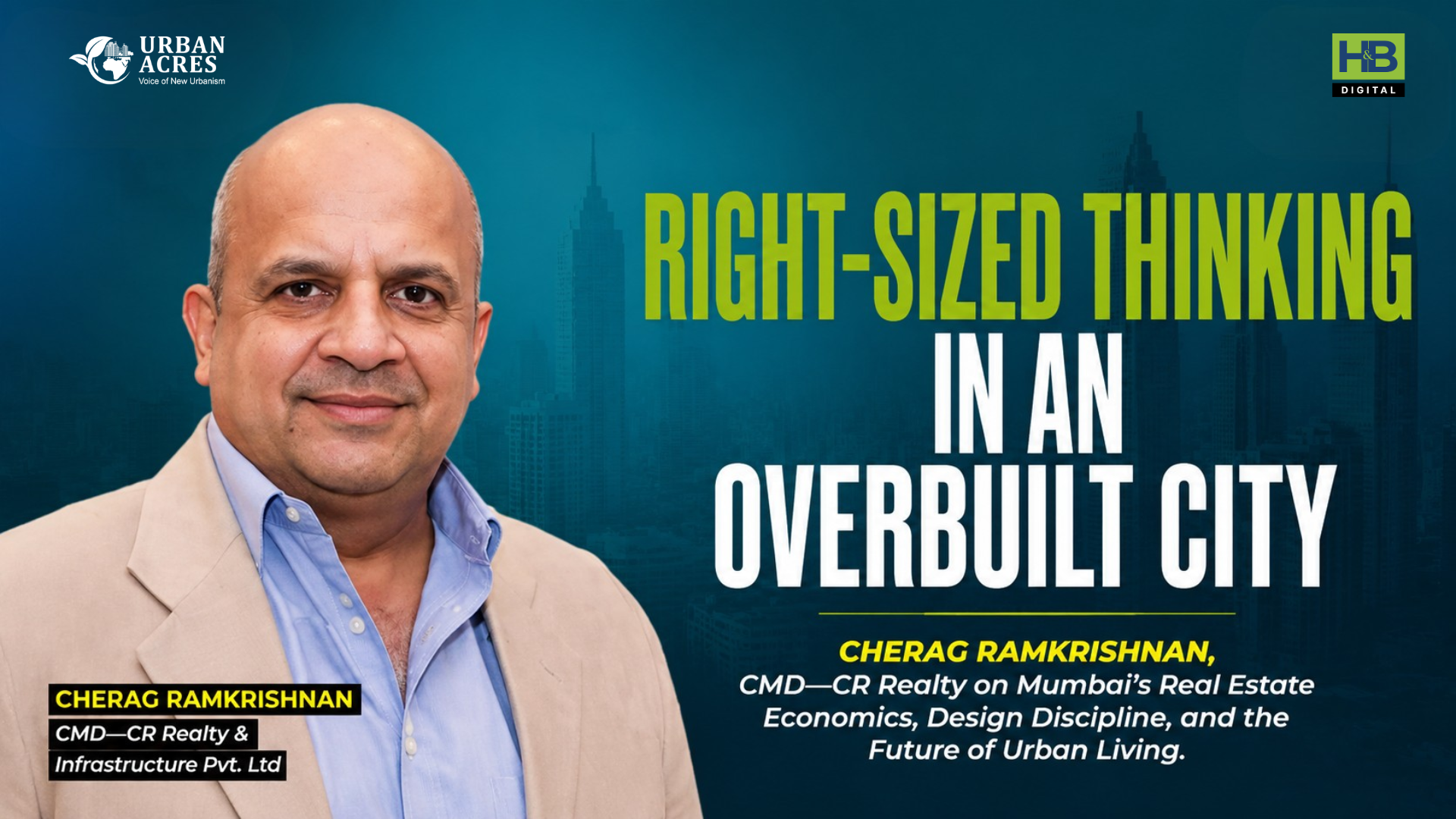
 Cherag Ramkrishnan,
CMD—CR Realty on Mumbai’s Real Estate Economics, Design Discipline, and the Future of Urban Living.
Q CR Realty emerged during Mumbai’s shift from promoter-led real estate to institutionalised development. How did this moment influence your approach to governance, transparency, and execution?
The transition was seamless for us because I came from a professionally governed environment. As Founder and CEO of Equinox Realty—part of the Ruia family’s ESSAR Group—we already operated with independent governance structures, delegated authority frameworks, and ISO-certified systems. By the time CR Realty was founded, these systems were second nature. While Indian real estate remains largely promoter-driven, scale has forced change. Promoter-led firms today understand the value of professional leadership. That evolution has allowed companies like ours to replicate and strengthen governance rather than reinvent it.
Q In a city constrained by land scarcity and rising premiums, how does CR Realty evaluate land beyond short-term market sentiment?
Infrastructure direction is already defined for the next 15–20 years. Demographics and demand are also largely in place. What matters most to us is velocity—the speed and value of absorption. At our scale, we avoid immature markets where infrastructure or demand is still speculative. We focus on established micro-markets where fundamentals are proven and the risk is measurable.
Q DCPR 2034 is often described as complex. How do you view its impact on redevelopment and mixed-use projects?
For anyone with long experience in Mumbai real estate, DCPR 2034 is actually simpler than the past. Earlier regulations were restrictive and often forced informal workarounds. Today, the law is structured, transparent, and feasibility-oriented.
The new framework doesn’t just allow redevelopment—it enables it. With professional consultants and support from bodies like CREDAI and NAREDCO, compliance today is far simpler than it was a decade ago. It can of course do much better and our developer bodies are constantly working with the regulators to ease the pain of the developers.
Q With metros, arterial roads, and transport-led development reshaping values, how do infrastructure upgrades factor into your pricing strategy?
Our pricing framework is largely defined at the time of site selection. We operate in city-centre locations where infrastructure is already operational or firmly committed. Infrastructure-led appreciation is more relevant for long-gestation township developments in peripheral markets like Panvel or Vasai / Virar for example. In core-city projects, the focus is pricing correctly relative to existing absorption dynamics—not future speculation.
Q Sustainability is now both a regulatory and ethical mandate. How does CR Realty integrate ecological thinking without turning it into a marketing gimmick?
From a structural and architectural standpoint, many environmental considerations—wind behaviour, heat gain, water management—are already embedded in good design. Our projects incorporate rainwater harvesting, STP recycling, EV charging, solar integration, and high-performance glass. We are also moving towards IGBC Gold certification where feasible. The challenge is affordability. Sustainability should create real value, not inflate costs. In commercial projects, long-term ownership justifies higher capex. In residential developments, one must be mindful of what the buyer can afford to buy—and most importantly maintain.
Q Homebuyer preferences today span hybrid workers, retirees, and nuclear families. How do you design for such fluid demand?
We use the term “right-sized” intentionally. But development operates within time constraints. A project designed today will be delivered three to four years later—and preferences may shift again. Pre-COVID, demand favoured compact homes. Today, larger homes are back in demand. This volatility makes design development one of the most calculated and also mis-calculated risks in the business. The best mitigation is execution speed. Delayed projects often miss demand cycles entirely. Timely delivery is not just operational efficiency—it’s market relevance.
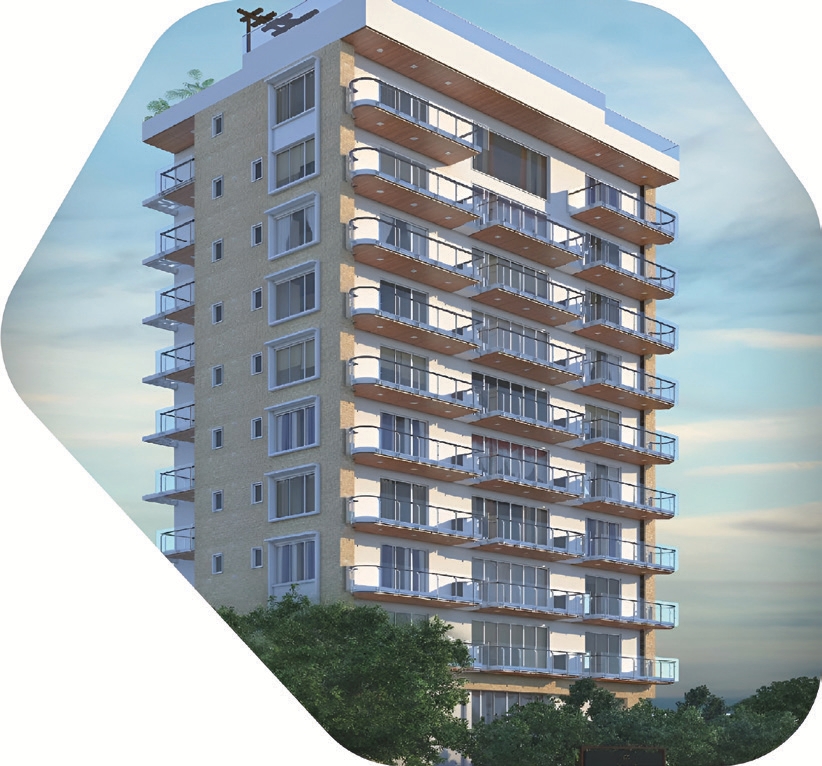 Q Amenities are often driven by marketing ego rather than user reality. The real test comes post-occupation—can residents afford to maintain what’s been promised?
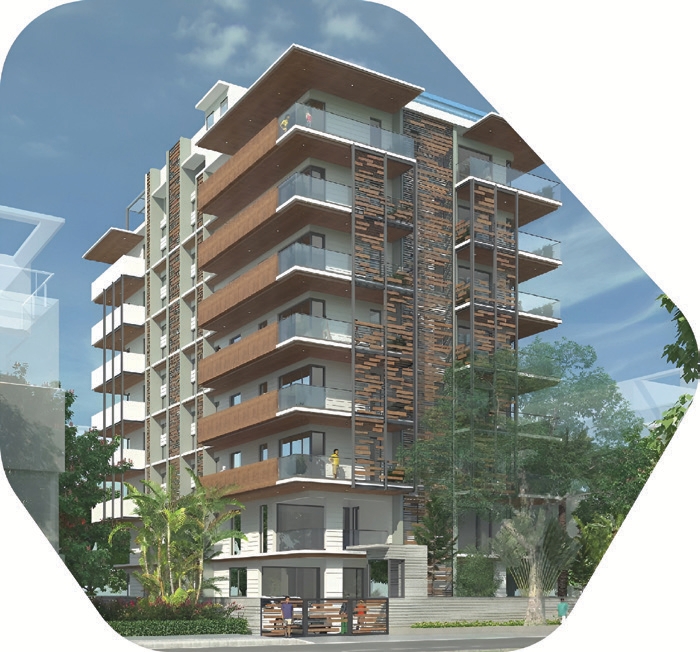
Mature developers learn restraint in premium markets like Bandra and Juhu, we’re seeing a shift towards fewer, more functional amenities—co-working spaces, gyms, multipurpose rooms, private conference / meeting rooms—rather than excess. In markets like Goregaon and other suburbs, where affordability supports it, more comprehensive amenities make sense
The key is alignment: amenities must match the demographic, lifestyle, and long-term operating economics of the project.
Q Post-COVID has been challenging for many developers. How do you see CR Realty repositioning itself by 2030?
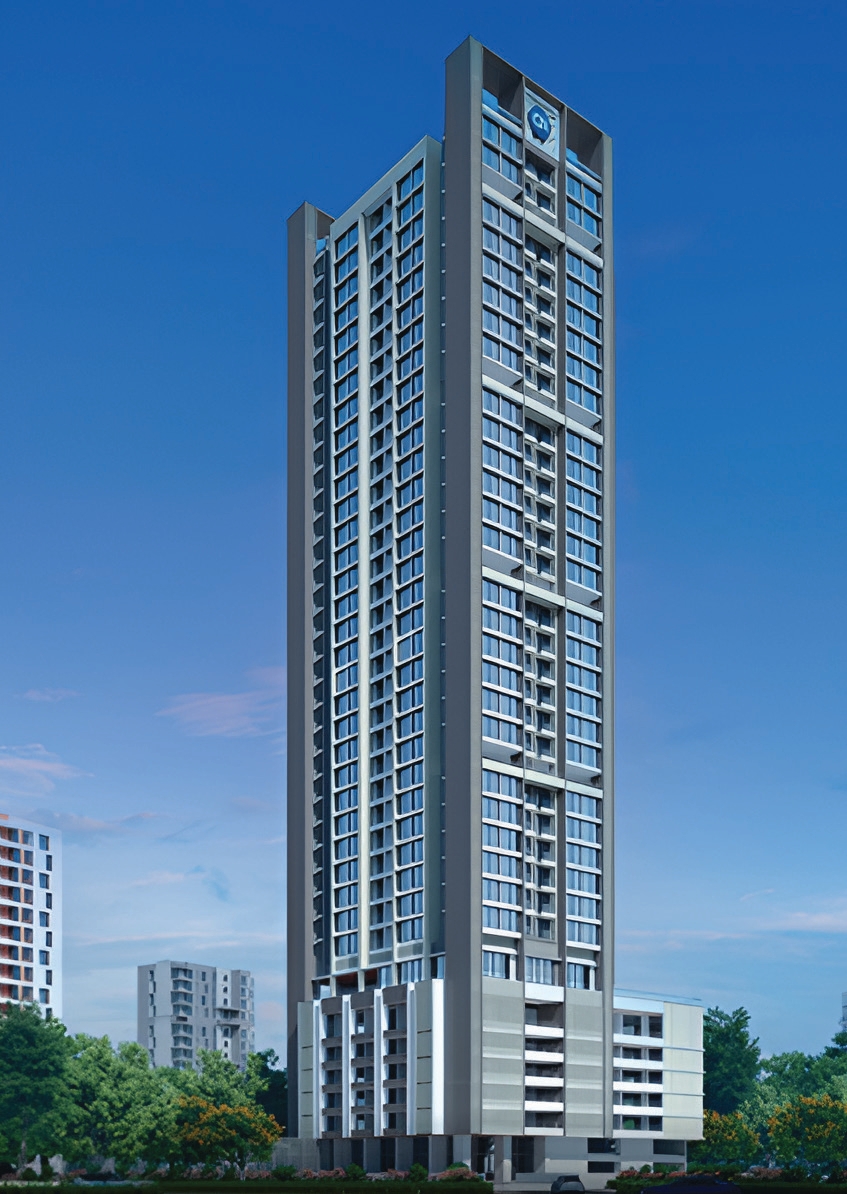
We’ve had execution challenges over the past few years, and there’s nothing wrong in acknowledging that. Goregaon is a flagship project that will help reposition our brand.
Our focus is quality over scale. We are not chasing volume. We want to be known for what we deliver, not how much we build.
Design will remain current and flexible. Sustainability will be practical, not performative. We intend to stay Mumbai-centric, possibly expanding within the MMR, and monetise opportunities intelligently.
As a professional entrepreneur myself, we will professionalise further and deeper as we stabilise and start to grow in the near future. It’s still early to over define the roadmap—but clarity of intent is firmly in place.