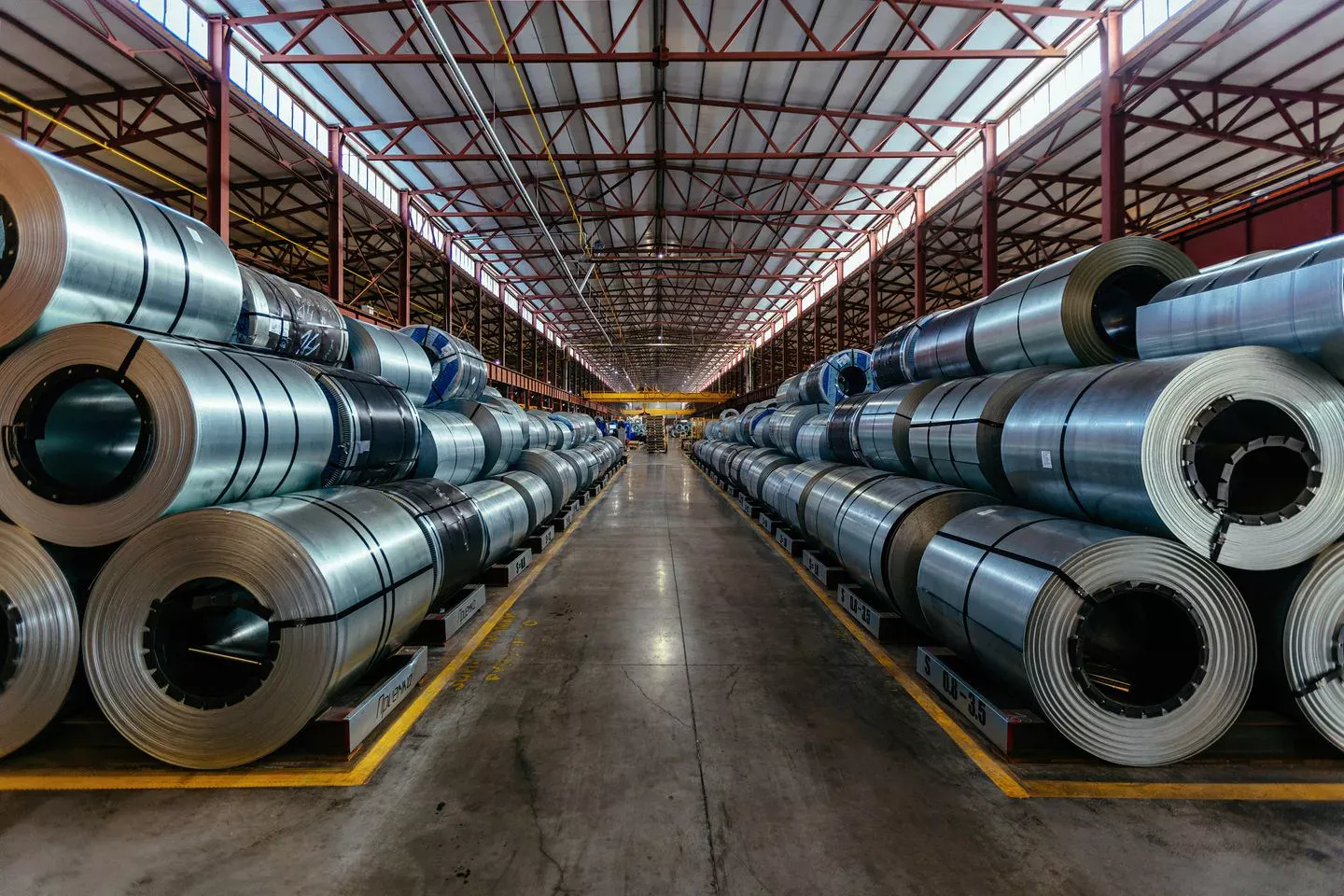
India’s leading steel producers are witnessing renewed investor interest as analysts reassess the sector’s prospects against a backdrop of sustained infrastructure spending, manufacturing expansion and policy measures aimed at protecting domestic industry.
The reassessment comes at a time when steel remains central to India’s urban transformation agenda. From metro rail networks and affordable housing projects to industrial corridors, logistics parks and renewable energy infrastructure, steel demand is increasingly tied to the pace of city-building and economic development. Industry estimates continue to point towards robust domestic consumption growth supported by public and private capital expenditure.Market analysts note that policy interventions introduced over recent quarters have helped reduce pressure from low-cost imports, providing greater visibility for domestic producers. Such measures have improved confidence in pricing stability and encouraged expectations of healthier operating margins across the sector. While global steel markets continue to face uncertainty linked to excess capacity and trade tensions, India’s domestic demand profile is increasingly viewed as a stabilising factor.
Within this environment, Tata Steel has attracted attention due to its large domestic footprint, ongoing operational improvements and strategic investments aimed at enhancing production efficiency. Analysts tracking the company believe its exposure to infrastructure-led demand positions it to benefit from continued investment in transport, housing and industrial development. Similar positive assessments have been extended to other major producers, though market views remain differentiated depending on balance-sheet strength, raw material security and expansion plans.The evolving Steel Sector Outlook also carries wider implications for cities and communities. Steel remains one of the most carbon-intensive industrial materials, making future investment decisions increasingly important from a sustainability perspective. Industry experts suggest that producers able to improve energy efficiency, expand renewable energy use and adopt lower-emission production technologies may gain a competitive advantage as environmental standards tighten globally.
Urban planners further point out that the relationship between steel demand and city growth is becoming more complex.The challenge is no longer limited to supplying material for construction; it increasingly involves ensuring that infrastructure expansion aligns with climate resilience, resource efficiency and long-term affordability.Looking ahead, investors and policymakers will closely monitor domestic demand trends, commodity costs and global trade developments. While market sentiment toward the Steel Sector Outlook has improved, the sector’s longer-term performance is likely to depend on how effectively producers balance growth ambitions with financial discipline and the transition towards lower carbon industrial production.
Also Read : Tata Steel Governance Update Draws Market Attention
Steel Sector Signals New Infrastructure Cycle