HomeLatestIndia Steel Sector Faces Global Trade Questions

India Steel Sector Faces Global Trade Questions

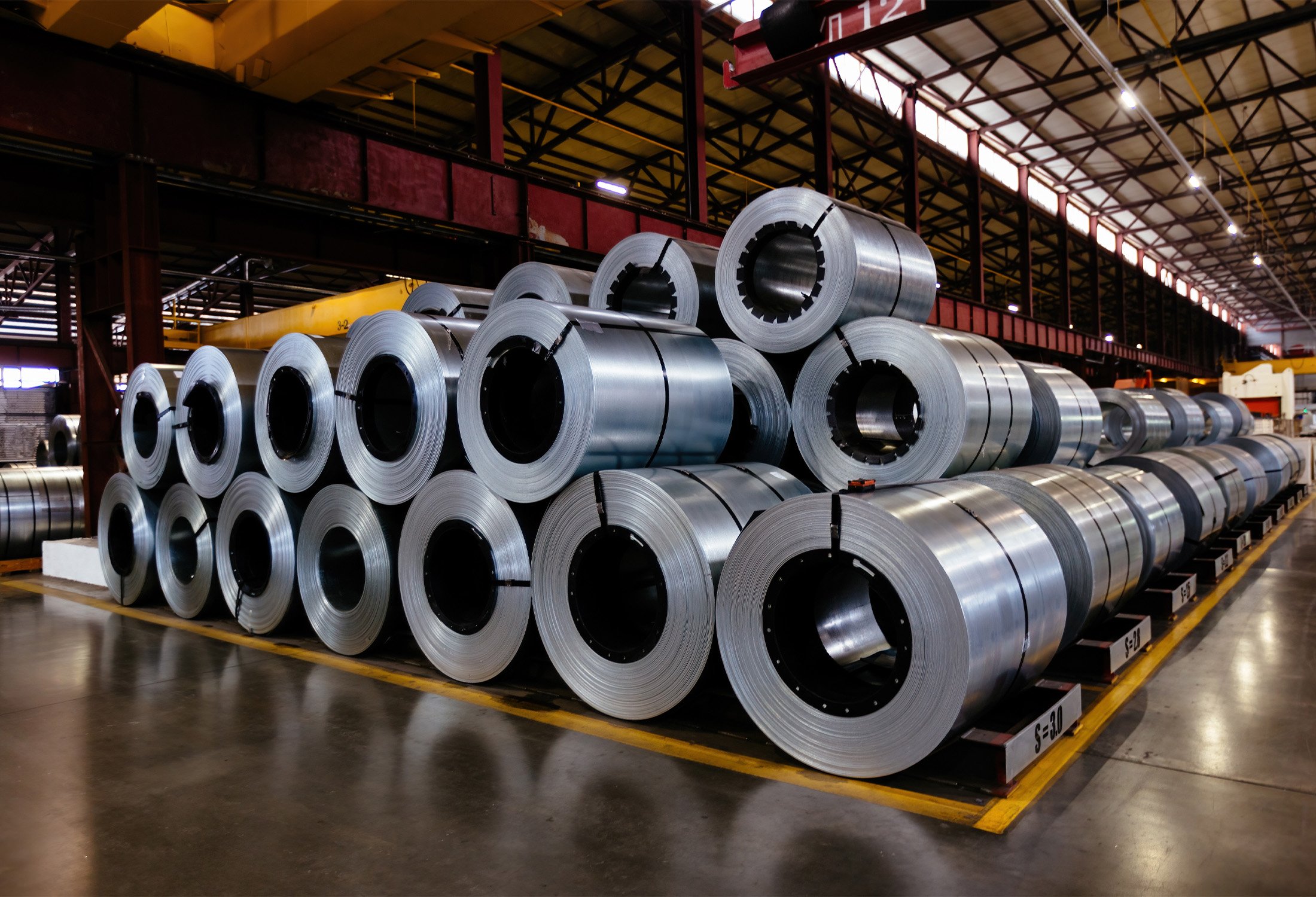
India has rejected claims that its steel industry is operating with excessive production capacity, arguing that domestic demand linked to infrastructure expansion, housing growth and industrial development continues to justify current output levels.

The discussion comes at a time when steel remains one of the most important materials underpinning urbanisation.From metro rail systems and affordable housing projects to logistics corridors and renewable energy infrastructure, steel demand in India continues to be driven by large-scale development programmes aimed at supporting economic growth and expanding public infrastructure.According to senior trade officials, assessments of industrial output should be viewed in relation to population size, consumption patterns and long-term development requirements rather than absolute production figures alone. Officials maintain that the country’s per-capita steel use remains significantly lower than that of many advanced economies, suggesting that future domestic demand could continue to absorb additional production.The disagreement has surfaced during a broader trade review process initiated by the United States, which is examining whether manufacturing practices in several countries contribute to market distortions. The review includes sectors such as steel, textiles, solar equipment and petrochemicals.

Trade experts note that such investigations increasingly reflect concerns over industrial competitiveness, supply chain resilience and strategic manufacturing capabilities rather than simple trade imbalances. For India, the Steel Capacity debate carries implications beyond exports. Urban economists point out that reliable access to domestically produced steel remains critical for controlling construction costs and delivering infrastructure projects at scale. Any disruption to investment in the sector could affect transport networks, industrial parks, housing developments and clean-energy projects that depend heavily on steel intensive construction.At the same time, global concerns over excess steel production continue to shape policy discussions. International agencies have warned that surplus capacity in some regions risks distorting markets and discouraging investment in cleaner steelmaking technologies. Industry analysts argue that balancing industrial growth with environmental responsibility will become increasingly important as countries pursue decarbonisation targets and modernise manufacturing systems.

The Steel Capacity debate also arrives as nations reassess trade safeguards and industrial strategies in response to changing geopolitical and economic conditions. Several economies have introduced or expanded protective measures for domestic steel producers, highlighting how strategic materials are becoming closely tied to economic security and infrastructure planning. As negotiations over trade and market access continue, the focus is likely to remain on whether industrial expansion can be aligned with fair competition, resilient supply chains and the growing demand generated by rapidly urbanising economies. For India, that conversation will increasingly influence both its manufacturing ambitions and the future pace of city-building across the country.

Also Read : Sambhv Steel Leadership Decisions Highlight Accountability
India Steel Sector Faces Global Trade Questions
RELATED ARTICLES

LEAVE A REPLY

Please enter your comment!
Please enter your name here

- Advertisment -spot_img

Most Popular

Recent Comments

Vedanta Aluminium Output Hits Record as Restructuring Nears

Vedanta Aluminium Output Hits Record as Restructuring Nears

Vedanta closed FY26 with record aluminium and alumina production, strengthening its position in a metals market closely tied to India’s infrastructure, power and transport...

India Steel Consumption Signals Wider Urban Growth

India Steel Consumption Signals Wider Urban Growth

India’s steel consumption has nearly doubled over the past decade, reaching about 152 million tonnes in 2024-25 from 77 million tonnes in 2014-15. The...

Pune GCC Demand Reshapes Commercial Office Market

Pune GCC Demand Reshapes Commercial Office Market

Pune’s office market is increasingly being shaped by Global Capability Centres (GCCs), with multinational firms using the city for technology, engineering, financial and specialised...

Hyderabad Brigade Barcelona RERA Shapes Kokapet Housing

Hyderabad Brigade Barcelona RERA Shapes Kokapet Housing

Hyderabad’s western growth corridor is seeing another large residential addition as Brigade Barcelona, a luxury housing project in Kokapet’s Neopolis, moves ahead with Telangana...

Chandigarh RERA Enters Focus as Prime Homes Near Crores

Chandigarh RERA Enters Focus as Prime Homes Near Crores

Chandigarh’s prime residential market is entering a new price bracket, with registered transactions showing that well-located plots in established sectors can command tens of...