HomeLatestSonipat Emerges as NCR Housing Pressure Spreads

Sonipat Emerges as NCR Housing Pressure Spreads

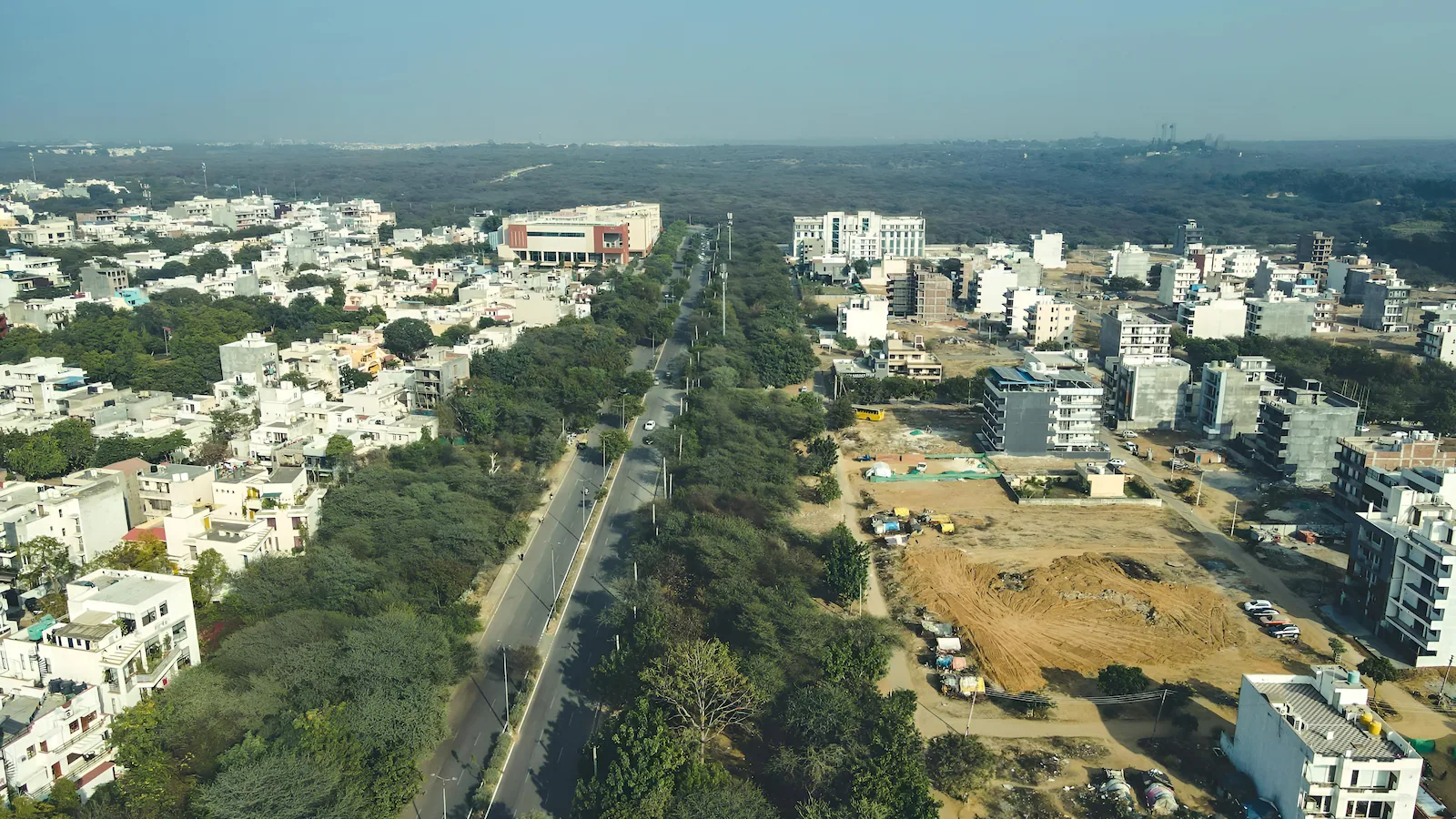
Sonipat is entering a new phase of urban growth as rising housing costs in established NCR markets push more buyers towards peripheral locations. The shift is being reinforced by industrial investment, planned development and expanding transport links. But for Sonipat real estate, the bigger test will be whether new housing is matched by reliable civic services, sustainable land use and adequate public transport.

The city’s economic profile is changing rapidly. Kharkhoda has become an important manufacturing node after the commissioning of a second production plant at the major automobile facility there, taking its capacity to 5 lakh vehicles a year. The wider industrial township is expected to attract suppliers, logistics activity and supporting services. That employment potential could strengthen housing demand, but it also raises questions about how growth is managed. More workers and households mean greater pressure on roads, water supply, drainage, schools, healthcare and public transport. Without coordinated infrastructure, rapid construction can shift congestion and service shortages from established NCR cities to their expanding edges. Transport is another major factor. The proposed Delhi–Panipat–Karnal Namo Bharat corridor is planned to connect Delhi with Sonipat, Gannaur, Samalkha, Panipat and Karnal. NCRTC says the 136-km corridor is intended to improve regional connectivity while bringing economic and environmental benefits.

For Sonipat real estate, improved regional mobility could widen the city’s commuter base. Yet the value of mass transit will depend on last-mile connections, safe walking routes and affordable access for residents who do not own private vehicles. The growing development pipeline also makes RERA an important part of the market story. Haryana RERA records show several Sonipat projects receiving registrations in 2026, including projects in sectors around Rathdhana, Kharkhoda and other developing areas. Some projects have also faced extensions or monitoring issues, showing why buyers need to examine registration status, approvals and completion timelines rather than relying only on sales claims.

The environmental cost of expansion will matter just as much. Industrial growth and new housing can increase traffic, groundwater demand, construction waste and pressure on agricultural land. Urban planners say future development needs compact neighbourhoods, green buffers, water-sensitive planning and stronger public transport if Sonipat is to grow without reproducing the infrastructure stress seen elsewhere in NCR. The market therefore presents both an opportunity and a warning. Affordable housing can improve access to the NCR economy, but long-term value will depend on whether homes are supported by functioning neighbourhoods. For buyers and policymakers alike, the next phase of Sonipat real estate will be measured not simply by new projects, but by the quality and resilience of the city they create.

Also Read: India Real Estate Faces Fresh Cost Pressures
Sonipat Emerges as NCR Housing Pressure Spreads
RELATED ARTICLES

LEAVE A REPLY

Please enter your comment!
Please enter your name here

- Advertisment -spot_img

Most Popular

Recent Comments

India Construction Boom Raises Demand for Cleaner Materials

India Construction Boom Raises Demand for Cleaner Materials

India’s construction economy is entering a new phase in which the scale of building activity is increasingly being matched by demands for speed, resource...
UltraTech Cement Joins Global Industrial Decarbonisation Drive

UltraTech Cement Joins Global Industrial Decarbonisation Drive

UltraTech Cement’s entry into the Leadership Group for Industry Transition (LeadIT) puts one of India’s largest building-material producers into a global platform focused on...
India Steel Prices Put RERA Projects Under Watch

India Steel Prices Put RERA Projects Under Watch

India’s steel market is showing a split pattern across major trading centres, with rebar and billet prices moving in different directions. Mumbai and Mandi...
India Steel Transition Needs Stronger MSME Support

India Steel Transition Needs Stronger MSME Support

India’s proposed ₹5,000-crore programme for sustainable secondary steel could become an important test of whether smaller manufacturers can participate in the country’s industrial decarbonisation...
Hyderabad Housing Market Shows Steadier Demand Trends

Hyderabad Housing Market Shows Steadier Demand Trends

Hyderabad’s residential market regained some stability in July after a volatile start to the summer, with 6,166 homes registered across the city’s wider four-district...