HomeBricks & MortarCementJK Cement Capacity Strategy Reshapes Urban Construction

JK Cement Capacity Strategy Reshapes Urban Construction

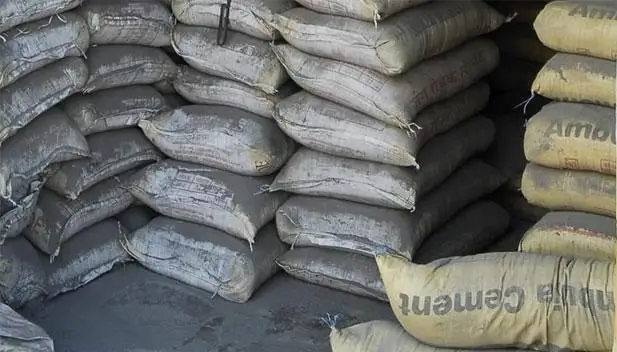
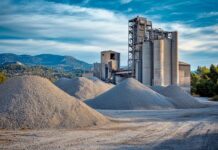
As India’s construction sector prepares for another year of infrastructure expansion and housing activity,JK Cement has shifted its immediate priority from adding fresh manufacturing capacity to improving utilisation of recently commissioned plants while increasing the share of higher value construction materials.

The strategy reflects a broader industry effort to balance investment, operational efficiency and environmental performance at a time when cement demand continues to be closely linked to urban development.The company’s latest roadmap indicates that FY27 will focus on extracting greater productivity from assets commissioned over the past year instead of pursuing rapid capacity additions alone.This comes after a significant increase in installed production capability across multiple locations, including northern, eastern and central India, alongside investments in downstream construction materials.For India’s expanding cities,cement capacity utilisation is becoming an increasingly important measure of industrial efficiency. Higher utilisation allows manufacturers to spread fixed costs over larger production volumes,potentially reducing energy consumption and emissions per tonne of cement while limiting the need for immediate greenfield investments.Industry observers note that optimising existing assets is particularly relevant as governments continue investing in transport corridors,affordable housing and public infrastructure.

The company also intends to expand its portfolio of value-added construction products, including ready-mix concrete,white cement, wall finishing materials and construction chemicals. Such products are increasingly being adopted in organised urban construction because they can improve construction quality, reduce material wastage and support faster project execution when integrated with modern building practices.Another aspect of the strategy is the continued emphasis on premium building materials. Market analysts suggest that this reflects changing customer preferences in both residential and commercial real estate, where builders increasingly seek products offering durability, specialised performance and lifecycle value rather than competing solely on price. At the same time, premiumisation can help manufacturers offset rising input and logistics costs without relying entirely on higher production volumes.The company’s medium term expansion projects remain under development,including additional clinker,cement and grinding facilities intended to strengthen supply networks in northern India.These investments are expected to improve regional logistics efficiency while supporting future demand generated by urbanisation and public infrastructure programmes.

Company disclosures also indicate continued investments in operational digitalisation, energy efficiency initiatives and lower carbon manufacturing practices alongside production expansion.For policymakers and city planners, the evolving strategy highlights a wider transition underway across India’s cement sector.As construction activity grows,the challenge is no longer confined to producing more cement but to delivering building materials with greater resource efficiency,lower carbon intensity and stronger integration into resilient urban development.How effectively manufacturers improve cement capacity utilisation while advancing cleaner production methods will increasingly influence the environmental footprint of India’s next generation of infrastructure.

Also Read : Sagar Cements AGM Reviews Infrastructure Outlook
JK Cement Capacity Strategy Reshapes Urban Construction
RELATED ARTICLES

LEAVE A REPLY

Please enter your comment!
Please enter your name here

- Advertisment -spot_img

Most Popular

Recent Comments

India Scrap Metal Supply Raises Industry Concerns

India Scrap Metal Supply Raises Industry Concerns

India is seeking greater certainty over future access to European scrap metal supplies as the European Union prepares to tighten export rules aimed at...
India Infrastructure Push Boosts Stainless Steel Use

India Infrastructure Push Boosts Stainless Steel Use

India’s long term economic roadmap is placing renewed emphasis on expanding the use of stainless steel across infrastructure,manufacturing and public utilities,reflecting the material’s growing...
Eswari Global Metal Recycling Seeks Market Capital

Eswari Global Metal Recycling Seeks Market Capital

Metal products manufacturer Eswari Global Metal Industries has initiated the process to access India’s public capital markets by filing preliminary documents for an initial...
Adani Organic Fertiliser Signals Circular Economy Shift

Adani Organic Fertiliser Signals Circular Economy Shift

The Adani Group has expanded its presence in India’s agricultural inputs sector by introducing an organic fertiliser business that converts processed organic waste into...
India Metal Recycling Faces Global Supply Challenge

India Metal Recycling Faces Global Supply Challenge

India’s metal recycling industry is assessing the potential impact of tighter European regulations governing scrap exports,with industry stakeholders warning that new compliance requirements could...