Kodla Plant Upgrade Signals Shift Towards Efficient Cement Manufacturing.
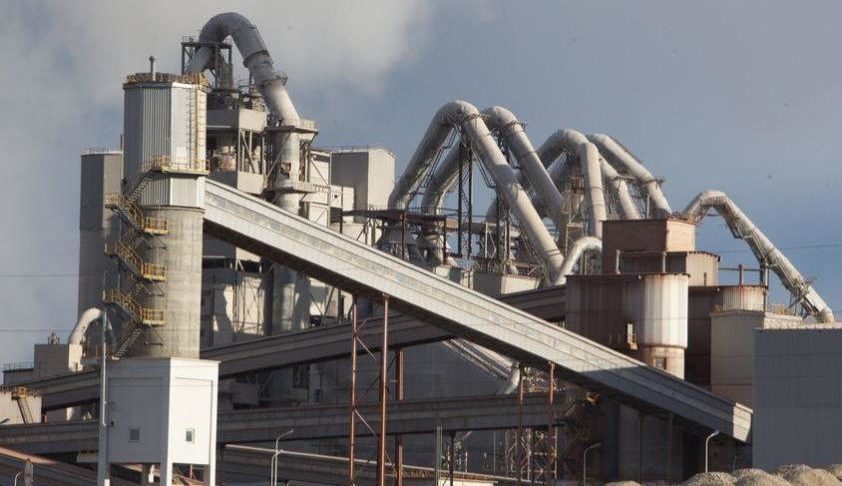
A major manufacturing upgrade at an integrated cement facility in Karnataka has entered its operational phase with three advanced grinding mills beginning commercial operations, marking another step in India’s effort to modernise construction material production while supporting growing infrastructure demand.The development is expected to improve production efficiency, reduce energy consumption per tonne of cement and strengthen supply for expanding urban and industrial projects across southern India.The newly commissioned mills include separate units for raw material preparation, cement grinding and fuel processing, allowing the integrated plant to streamline multiple stages of cement manufacturing.Industry experts note that replacing or supplementing conventional equipment with modern vertical roller mill technology can significantly lower electricity consumption, improve material utilisation and reduce maintenance requirements compared with older grinding systems. These operational gains are becoming increasingly important as India’s construction sector seeks to balance rising demand with lower environmental impacts.
The investment comes as infrastructure activity continues to accelerate through public transport projects, affordable housing, logistics parks and industrial corridors.Such developments require dependable supplies of cement,yet they also place greater scrutiny on the industry’s carbon footprint.The cement sector remains one of the country’s largest industrial emitters,making improvements in production efficiency an increasingly important part of broader decarbonisation efforts.Urban planners suggest that technological upgrades within cement plants can indirectly benefit cities by supporting more reliable building material supplies while lowering operational emissions over time. High-efficiency grinding systems reduce the energy needed during one of the most electricity intensive stages of cement production.When combined with renewable power,blended cement, waste heat recovery and alternative fuels, these technologies can contribute towards more resource efficient construction without compromising material quality.
The commissioning also reflects a wider trend across India’s cement industry,where manufacturers are investing in modern equipment rather than relying solely on additional production capacity.Analysts believe such investments help improve operational resilience, particularly as energy costs remain volatile and environmental regulations become more demanding. Digital process monitoring and automated control systems associated with newer grinding technologies can further improve consistency,reduce downtime and optimise resource use throughout plant operations.For Karnataka and neighbouring states, stronger manufacturing capability could support timely delivery of cement required for roads, metro rail extensions,renewable energy projects and urban redevelopment initiatives.However, environmental specialists argue that future industrial growth should continue to prioritise efficient resource management,lower emissions and responsible water use alongside higher production.
Also Read : Gujarat Cement Firm Refines Disclosure Access
Kodla Cement Plant Adds Energy Efficient Mills