HomeLatestMumbai Reclaims 7300 Square Metres Public Open Space

Mumbai Reclaims 7300 Square Metres Public Open Space

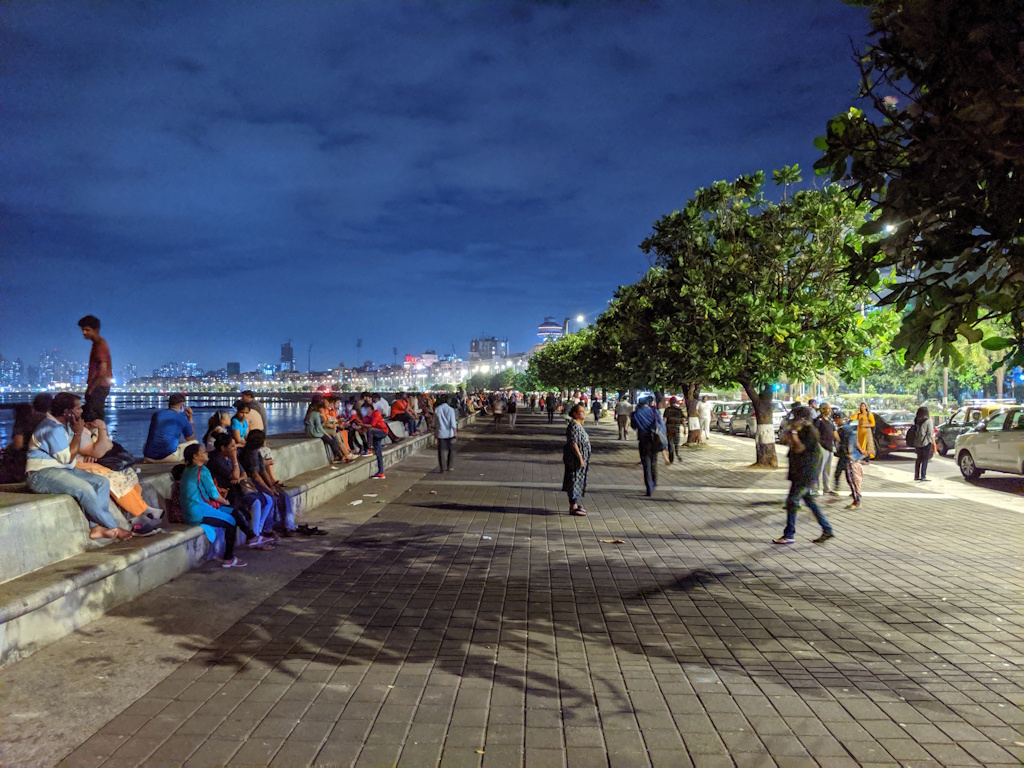
Mumbai has reclaimed nearly 7,300 square metres of public open space in the Meghwadi area through a civic enforcement drive, marking another step in efforts to restore land reserved for community use. The recovery is significant for one of India’s most densely populated cities, where the protection of public spaces has become increasingly important for environmental resilience, neighbourhood liveability and equitable urban development. Urban planning experts say the restoration of Public Open Space extends beyond removing unauthorised occupation. It creates opportunities to improve recreational infrastructure, strengthen ecological buffers and enhance access to shared community assets in neighbourhoods where open land is increasingly scarce. In high-density cities such as Mumbai, every reclaimed parcel can contribute to healthier and more sustainable urban environments.

The recovered land is expected to remain under civic control for future public use, although its long-term value will depend on effective planning and maintenance. Specialists argue that reclaimed spaces should be integrated into broader neighbourhood development strategies that include parks, pedestrian pathways, children’s play areas and climate-resilient green infrastructure capable of reducing urban heat and improving stormwater management.m Rapid urbanisation has placed considerable pressure on reserved land across India’s metropolitan regions. As population density increases, civic authorities face growing challenges in protecting spaces originally designated for recreation, environmental conservation and public amenities. The recovery of Public Open Space therefore reflects not only regulatory enforcement but also a wider commitment to safeguarding urban commons for future generations.

Environmental planners note that accessible green spaces deliver measurable public benefits. They improve air quality, encourage physical activity, reduce surface temperatures and strengthen social interaction within communities. During periods of extreme rainfall, permeable open areas also help absorb runoff, reducing pressure on urban drainage systems and supporting climate adaptation strategies. Urban governance experts believe consistent monitoring, digital land records and transparent enforcement mechanisms will be essential to prevent future encroachments. They also emphasise the importance of involving local communities in protecting restored public assets through participatory planning and long-term stewardship. Public confidence in civic administration often increases when reclaimed land is visibly converted into accessible community infrastructure rather than remaining unused.

The recovery also carries economic significance. Well-maintained public spaces can enhance neighbourhood attractiveness, improve surrounding property values and encourage local commercial activity while supporting healthier living conditions. However, experts caution that redevelopment of reclaimed land should prioritise public interest over commercial exploitation to preserve its intended civic purpose. As Mumbai continues to balance population growth with limited land availability, protecting Public Open Space will remain central to sustainable urban planning. The success of such civic initiatives will ultimately depend on whether reclaimed land is transformed into inclusive, resilient and environmentally beneficial spaces that strengthen neighbourhood quality of life while supporting the city’s long-term climate and development goals.

Also Read: Mumbai Worli Redevelopment Unlocks Rs 2000 Crore Housing Project
Mumbai Reclaims 7300 Square Metres Public Open Space
RELATED ARTICLES

LEAVE A REPLY

Please enter your comment!
Please enter your name here

- Advertisment -spot_img

Most Popular

Recent Comments

Odisha Steel Capacity Set to Reshape Industrial Growth

Odisha Steel Capacity Set to Reshape Industrial Growth

Odisha is preparing for a major expansion of its metals economy, with officials projecting installed steel capacity could reach 150–180 million tonnes within five...
SAIL Coking Coal Project Links West Bengal Blocks

SAIL Coking Coal Project Links West Bengal Blocks

Steel Authority of India Ltd (SAIL) and Bharat Coking Coal Ltd (BCCL) have agreed to jointly develop two adjoining coking coal blocks in West...

India Steel Output Gains As Global Production Slips

India Steel Output Gains As Global Production Slips

India’s steel industry continued to expand in August even as global crude steel production contracted, highlighting the country’s growing role in the international steel...

India Orders Captive Coal Plants to Boost Grid Supply

India Orders Captive Coal Plants to Boost Grid Supply

India is turning to its industrial captive power base as electricity demand remains unusually high for September, with 112 coal-based generating stations ordered to...

Andhra Pradesh Clears Land for Cement Expansion

Andhra Pradesh Clears Land for Cement Expansion

Andhra Pradesh has approved 250 acres for the expansion of an integrated cement facility in YSR Kadapa district, enabling planned production capacity to reach...