HomeNewsIndia RERA Annual Reports Face Scrutiny

India RERA Annual Reports Face Scrutiny

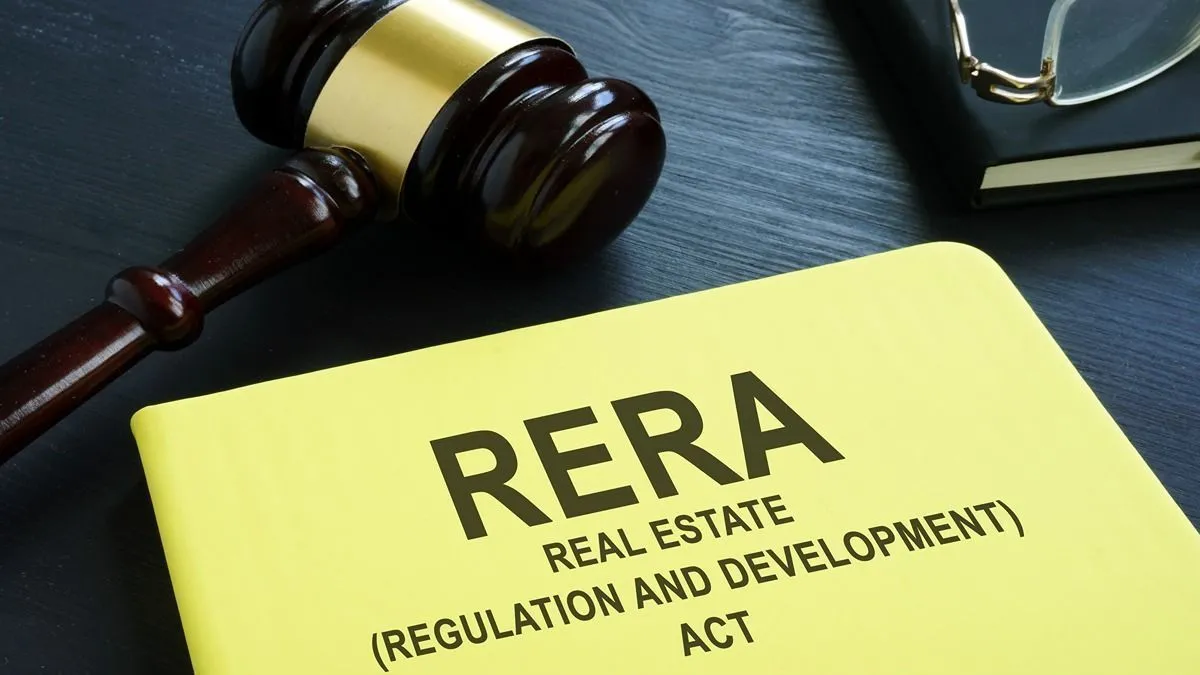
India’s real estate transparency framework is under renewed scrutiny after a national homebuyers’ collective alleged that a majority of state regulators have failed to publish mandatory disclosures under the Real Estate (Regulation and Development) Act, 2016. The issue centres on the non-release or discontinuation of RERA annual reports, documents intended to provide data on project registrations, complaints, enforcement actions and sector performance. 

The Real Estate Act requires each state authority to prepare and place an annual report in the public domain, outlining regulatory activities and compliance metrics. However, the homebuyers’ body claims that more than three-quarters of state regulators have either not published these reports consistently or have stopped issuing them after initial years. According to the collective, several large property markets—including southern and western states have not released updated reports in recent cycles. Others, it alleges, have never placed a single comprehensive document online since the law came into force.

Urban policy experts say the absence of up-to-date RERA annual reports weakens the data backbone of India’s property market reforms. “These reports are not procedural paperwork; they are accountability instruments,” said a senior housing policy analyst. “They help track dispute resolution timelines, project delays, penalties imposed and systemic improvements.” For homebuyers, the reports serve as a performance barometer of both developers and regulators. Without standardised, comparable disclosures, prospective purchasers may struggle to assess delivery track records or regulatory effectiveness across states. This is especially relevant in markets witnessing rapid peri-urban expansion, where first-time buyers often depend on statutory safeguards.

The homebuyers’ association has urged the Union housing ministry to issue fresh directives to ensure uniform compliance. It has also suggested that stronger oversight mechanisms be considered where authorities fail to adhere to central guidance. The broader concern extends beyond individual grievances. Analysts argue that credible reporting underpins investor confidence, institutional funding and even climate-aligned urban planning. Data on stalled projects, occupancy certificates and completion rates can inform infrastructure provisioning, transport planning and environmental assessments.

In recent years, India’s property sector has seen a revival in institutional capital and consolidation among organised developers. Market participants note that regulatory transparency played a role in restoring trust after prolonged periods of project delays and litigation. If RERA annual reports are irregular or incomplete, however, it becomes harder to evaluate whether reform outcomes such as faster dispute resolution or improved delivery timelines are being sustained.

Officials in the housing ecosystem indicate that digital dashboards and unified reporting formats could improve consistency across states. As urbanisation accelerates and housing demand grows, transparent oversight mechanisms will remain critical to ensuring that expansion is both accountable and equitable.
The next phase of reform may hinge not only on new rules, but on consistent enforcement and reliable public disclosure cornerstones of a mature and resilient real estate market.

India RERA Annual Reports Face Scrutiny
RELATED ARTICLES

LEAVE A REPLY

Please enter your comment!
Please enter your name here

- Advertisment -spot_img

Most Popular

Recent Comments

India Blended Cement Market Gains Urban Momentum

India Blended Cement Market Gains Urban Momentum

India and several fast urbanising Asian economies are witnessing a sharp rise in demand for blended cement as governments, builders and infrastructure agencies seek...
Dalmia Cement Expands Eastern India Production Network

Dalmia Cement Expands Eastern India Production Network

India’s cement industry is entering another phase of consolidation as Dalmia Cement moves to acquire an additional 5.2 million tonnes per annum of production...
JK Cement Expansion Signals Regional Infrastructure Shift

JK Cement Expansion Signals Regional Infrastructure Shift

India’s urban construction cycle is drawing renewed investor focus as JK Cement expands its manufacturing footprint across northern and central regions, positioning itself for...
Panattoni Hyderabad Facility Expands Industrial Infrastructure

Panattoni Hyderabad Facility Expands Industrial Infrastructure

A new manufacturing facility planned in Hyderabad is expected to strengthen Telangana’s industrial infrastructure ecosystem, reflecting the city’s growing role as a strategic centre...
Mumbai Redevelopment Project Targets Housing Infrastructure Renewal

Mumbai Redevelopment Project Targets Housing Infrastructure Renewal

A large-scale redevelopment agreement covering nearly 28 acres in Mumbai has renewed attention on the city’s accelerating urban renewal cycle, where ageing residential clusters...